Lucknow Sports Infrastructure Push Gains Momentum At Event
Lucknow’s evolving sports ecosystem came into focus during a major grassroots sporting event, where policymakers highlighted the rapid expansion of infrastructure and its growing role in shaping urban and regional development. The emphasis on the Lucknow sports infrastructure growth reflects a broader policy shift linking sports investment with social and economic outcomes.
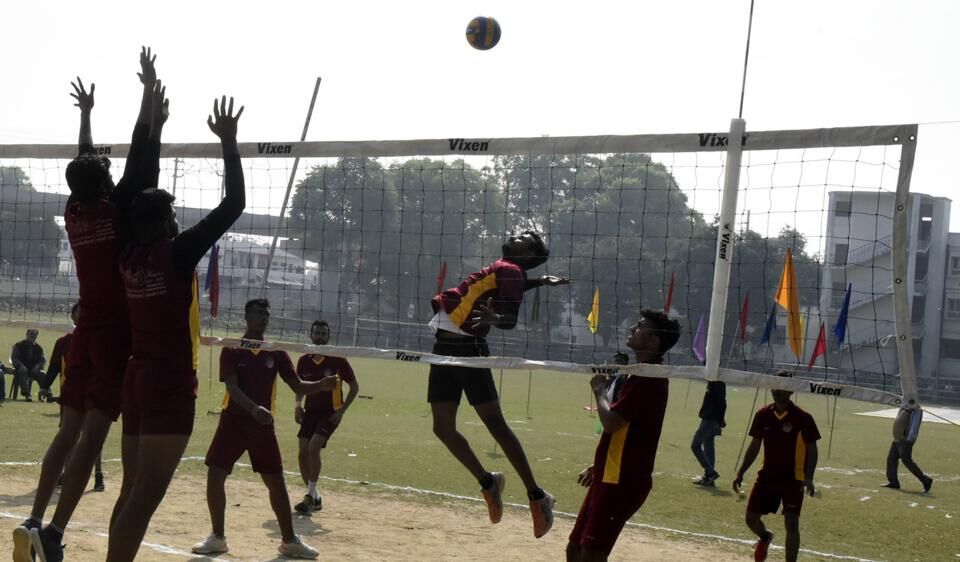
At the centre of this push is the Sansad Khel Mahakumbh, a large-scale initiative designed to promote grassroots participation while identifying emerging talent. Officials noted that investments in modern stadiums, training facilities, and sports grounds are no longer limited to major cities but are increasingly being extended to smaller towns and rural areas. The Lucknow sports infrastructure growth narrative is closely tied to significant public investment in the sector. State-led initiatives have channelled substantial funding into developing new sports facilities, upgrading existing complexes, and building training ecosystems that support athlete development. These investments are intended to create a pipeline from grassroots participation to competitive performance at national and international levels. Urban planners point out that sports infrastructure is emerging as a key component of city-building strategies. In cities like Lucknow, such facilities contribute not only to physical activity and youth engagement but also to land use diversification and local economic development. Well-planned sports complexes can anchor neighbourhood growth, stimulate hospitality and retail activity, and enhance the overall liveability of urban spaces.
The Lucknow sports infrastructure growth also reflects a changing perception of sports as a viable career pathway. By integrating training infrastructure with institutional support—such as scholarships, coaching programmes, and employment-linked incentives—authorities are seeking to formalise the sports ecosystem. This shift is particularly relevant for younger populations, where access to structured facilities can influence both skill development and long-term opportunities. Beyond infrastructure, the event underscored the role of community-driven sports initiatives in fostering social cohesion. Large-scale participation platforms like the Mahakumbh create opportunities for inclusive engagement, bringing together participants from diverse socio-economic backgrounds. Experts note that such programmes can strengthen community networks while promoting health and well-being. From a policy perspective, the expansion of sports infrastructure aligns with national programmes aimed at increasing participation and improving performance outcomes. Initiatives such as Khelo India have prioritised investments in both physical infrastructure and athlete support systems, contributing to a more integrated sports ecosystem.
However, sustaining the momentum of Lucknow sports infrastructure growth will depend on long-term planning and operational efficiency. Experts highlight the importance of maintaining facilities, ensuring equitable access, and integrating sports infrastructure with educational institutions and urban mobility networks. Without these linkages, standalone investments risk underutilisation. Environmental considerations are also becoming relevant in the design of new facilities. Incorporating green building practices, energy-efficient systems, and climate-responsive layouts can help reduce the ecological footprint of large sports complexes while improving user comfort. For Lucknow, the continued expansion of sports infrastructure signals a shift towards more holistic urban development—where recreation, health, and economic activity intersect. As investments deepen, the city’s ability to leverage these assets will determine whether they translate into sustained social and economic value.