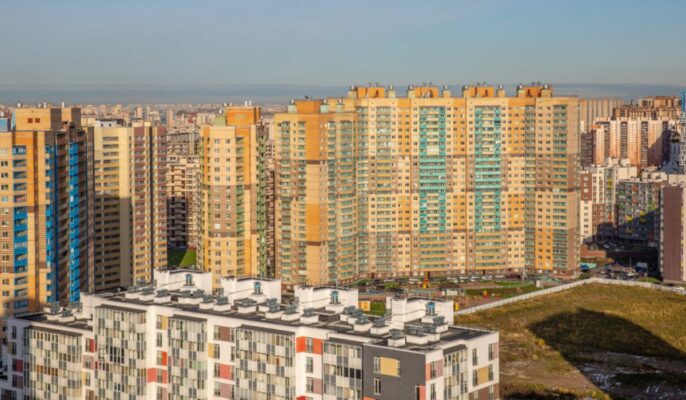
A surge in high-value housing launches and rapid infrastructure expansion is reshaping the Noida real estate growth story, positioning the city as a credible alternative to Gurugram within the National Capital Region. With premium projects now priced at par with established luxury hubs, the shift signals a deeper structural change in how investors and homebuyers view Noida’s long-term potential.
Once associated with mid-income housing, Noida is witnessing a decisive move up the value chain. Developers are introducing high-end residences with large unit sizes, integrated services, and hospitality-led living formats. This transformation is being supported by improved connectivity, including the operationalisation of a new international airport, expanded metro corridors, and upgraded expressway networks. Urban planners note that infrastructure-led development is central to this transition. Unlike legacy markets constrained by land scarcity, Noida offers planned sectors, wider roads, and scalable urban layouts. This allows for larger residential formats and integrated townships features increasingly preferred by affluent buyers seeking both space and liveability. The emerging pattern reflects a broader shift towards decentralised urban growth, where peripheral regions evolve into self-sustained economic clusters.
The Noida real estate growth trajectory is also being reinforced by rising commercial activity. Leasing of Grade A office spaces has accelerated, drawing corporates and service-sector firms. This employment base is crucial in sustaining housing demand beyond speculative investment. Industry observers suggest that when job creation aligns with residential supply, markets tend to stabilise and mature more sustainably.However, the city’s ascent is not without constraints. Land acquisition norms have tightened in recent years, increasing upfront costs for developers and limiting supply in prime locations. As a result, pricing in select micro-markets has climbed sharply, narrowing the affordability advantage that once defined Noida. While this may boost investor sentiment in the short term, experts caution that long-term resilience will depend on balanced supply across price segments. Comparisons with Gurugram remain inevitable. The Haryana-based city continues to benefit from a deeper ecosystem of multinational firms, established social infrastructure, and a larger inventory of Grade A developments. Yet, gaps in urban services such as water management, road maintenance, and drainage systems have periodically raised concerns about sustainability and liveability.
In contrast, Noida’s planned framework offers an opportunity to integrate climate-resilient infrastructure from the outset. Urban development experts highlight the need to embed green mobility, efficient water systems, and low-carbon construction practices as the city scales up. These factors could play a decisive role in shaping buyer preferences in the coming decade. For now, the competition between the two cities reflects a broader evolution in India’s urban housing markets where infrastructure, governance, and environmental planning increasingly define real estate value. As demand diversifies and buyers become more discerning, the next phase of growth will likely depend less on pricing alone and more on how cities deliver inclusive, sustainable, and future-ready living environments.