


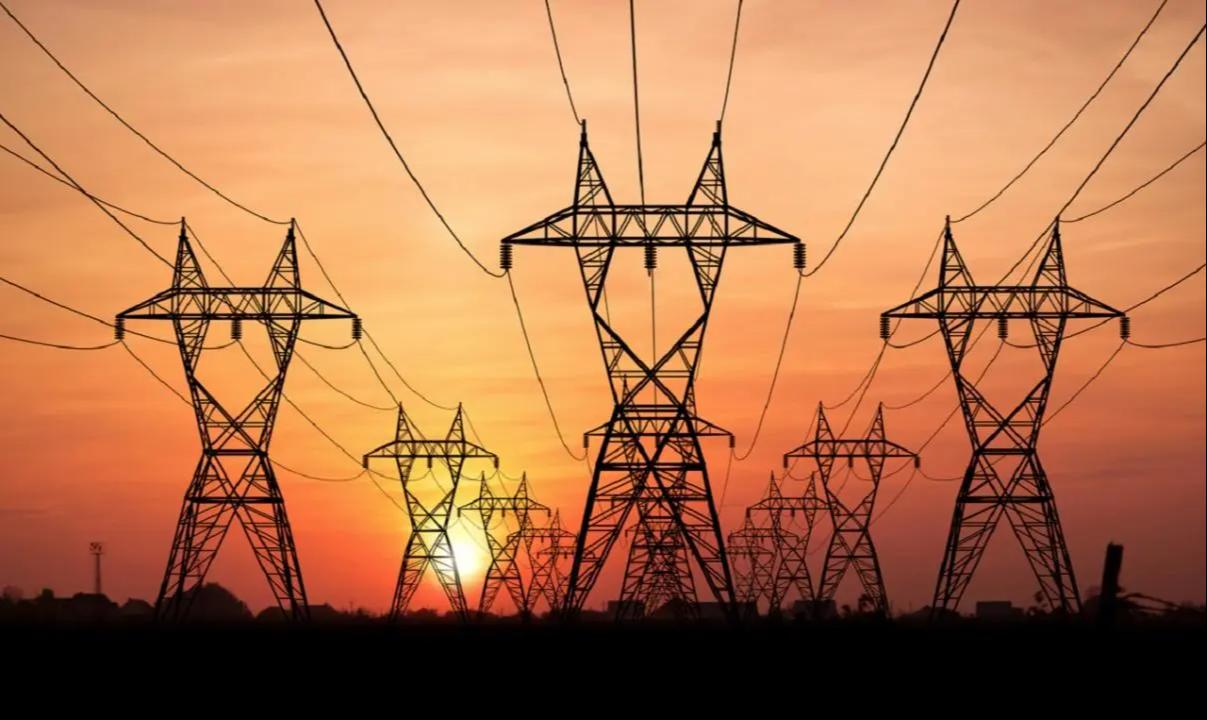
Maharashtra has taken a significant step towards energy self-reliance with the operationalisation of a key captive coal asset, strengthening long-term fuel security for its power sector. The development, centred on the Maharashtra energy self reliance strategy, is expected to stabilise electricity supply and reduce dependence on external coal sources at a time of rising demand across urban and industrial centres. The milestone was marked by the arrival of the first coal consignment from the Gare Palma Sector II mine in Chhattisgarh to a major thermal power station in Nagpur. The mine, allocated to the state-run Maharashtra State Power Generation Company Limited (MAHAGENCO), has taken nearly eight years to become operational, reflecting the complexity of approvals, logistics, and infrastructure required to bring such projects online.
With an estimated lifespan of over seven decades and substantial reserves, the project is expected to provide a steady and predictable supply of coal to key thermal plants, including those supplying power to urban clusters. The Maharashtra energy self reliance approach aims to reduce exposure to supply disruptions and price volatility in the broader coal market. For rapidly growing cities, the implications are substantial. Reliable electricity supply underpins everything from housing construction and metro systems to industrial activity and digital infrastructure. By securing its own fuel source, the state can better manage energy costs, which in turn influence the economics of urban development and infrastructure delivery. The Gare Palma mine is designed to produce high-grade coal, which improves efficiency in thermal power generation. Higher calorific value means less coal is required to generate the same amount of electricity, potentially lowering operational costs and reducing emissions intensity per unit of power. The broader shift towards captive coal sourcing reflects a national trend. States and industrial users are increasingly seeking direct control over fuel supply to avoid logistical bottlenecks and uncertainties associated with centralised allocation systems. The Gare Palma project, with a planned capacity of over 23 million tonnes annually, exemplifies this decentralised energy model. Beyond energy security, the project is expected to generate economic benefits across regions. Mining operations are likely to create thousands of direct and indirect jobs while contributing to state revenues through royalties and associated taxes. These outcomes are particularly relevant for regional development, as they support both local livelihoods and broader industrial growth. However, the reliance on coal also raises longer-term sustainability questions. While captive mining improves supply stability, it reinforces dependence on fossil fuels at a time when cities are under pressure to transition towards cleaner energy systems. Experts suggest that integrating renewable energy alongside such projects will be essential to balance growth with environmental commitments.
Looking ahead, the success of Maharashtra’s Maharashtra energy self reliance strategy will depend on how effectively it integrates secure fuel supply with evolving energy transition goals. As urban demand continues to rise, ensuring both reliability and sustainability will be critical to shaping the next phase of infrastructure-led growth.
ALSO READ – India Coal Mining Push Strengthens Regional Power Security
Maharashtra Gare Palma Mine Strengthens Power Security
