


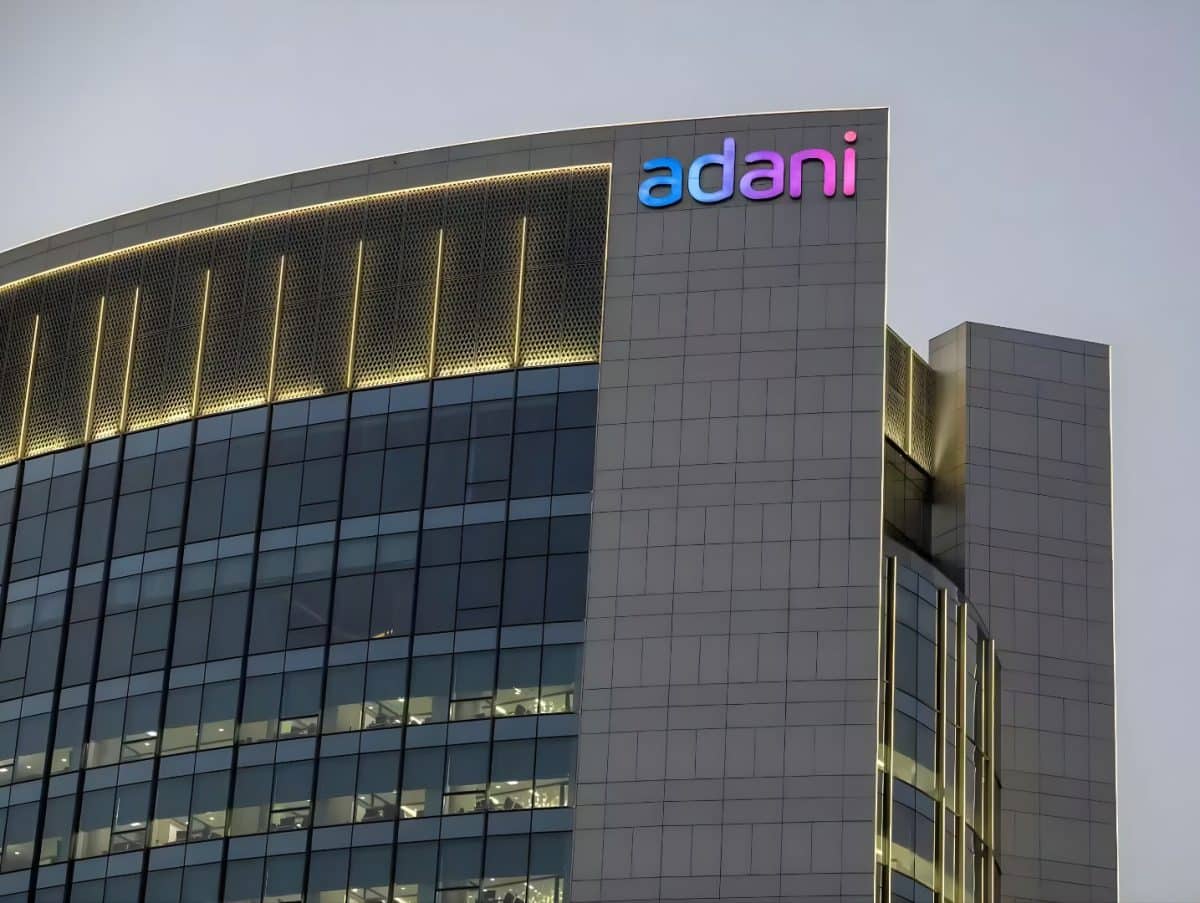
A new wave of large-scale infrastructure investments is reshaping eastern India’s development landscape, with Odisha emerging as a key destination for integrated industrial and urban growth. The latest Odisha infrastructure projectspipeline, led by the Adani Group and valued at over ₹33,000 crore, signals a coordinated push to strengthen energy supply, digital capacity, and construction ecosystems while generating significant employment. The projects span three critical sectors: digital infrastructure, power generation, and cement manufacturing. Together, they are expected to create nearly 9,700 jobs and support long-term industrial expansion in and around Bhubaneswar and Cuttack.
At the centre of this development is a data infrastructure facility planned in Bhubaneswar, aimed at supporting cloud computing, artificial intelligence, and digital governance systems. This reflects a growing trend among Indian states to integrate physical infrastructure with digital ecosystems, ensuring cities are equipped to handle data-intensive services alongside population growth. Energy reliability forms the backbone of the broader investment strategy. A large thermal power facility proposed near Cuttack is designed to stabilise electricity supply for industries and households, addressing one of the key constraints in industrial expansion. Reliable power remains essential not just for manufacturing but also for urban services, transport systems, and emerging digital infrastructure. The third component—a cement manufacturing unit—directly ties into the construction economy. As cities expand and infrastructure pipelines accelerate, access to locally produced building materials becomes critical. The plant is expected to support regional demand for housing, transport networks, and civic infrastructure, reducing dependency on long-distance material sourcing. The significance of these Odisha infrastructure projects lies in their integrated nature. Rather than isolated investments, they reflect a systems-level approach—linking energy, materials, and digital capacity to enable sustained urbanisation. Urban planners note that such clustering of infrastructure investments can improve efficiency, reduce logistics costs, and create more resilient city-region economies. The developments also align with Odisha’s broader ambition to position itself as a major industrial hub by the next two decades. The state has been actively attracting investments across sectors, supported by policy reforms, resource availability, and improving connectivity. Recent project announcements indicate a steady pipeline of industrial activity feeding into urban expansion. However, the long-term impact will depend on execution quality and sustainability considerations. Large infrastructure projects, particularly in energy and construction, carry environmental implications. Experts suggest that integrating cleaner energy sources, efficient material usage, and low-carbon construction practices will be essential to ensure that growth remains aligned with climate resilience goals. Employment generation remains a key outcome, particularly for younger populations in emerging urban centres. The projects are expected to create both direct and indirect jobs across construction, operations, and ancillary industries, contributing to regional economic inclusion.
As Odisha continues to scale its infrastructure base, the focus is likely to shift from project announcements to delivery and integration. For cities in the region, the success of these investments will shape not just economic growth, but also the quality, sustainability, and inclusiveness of future urban development.
ALSO READ – Ambuja Cements GST Demand Raises Compliance Questions
Adani Odisha Investment Push Signals Industrial Expansion

