


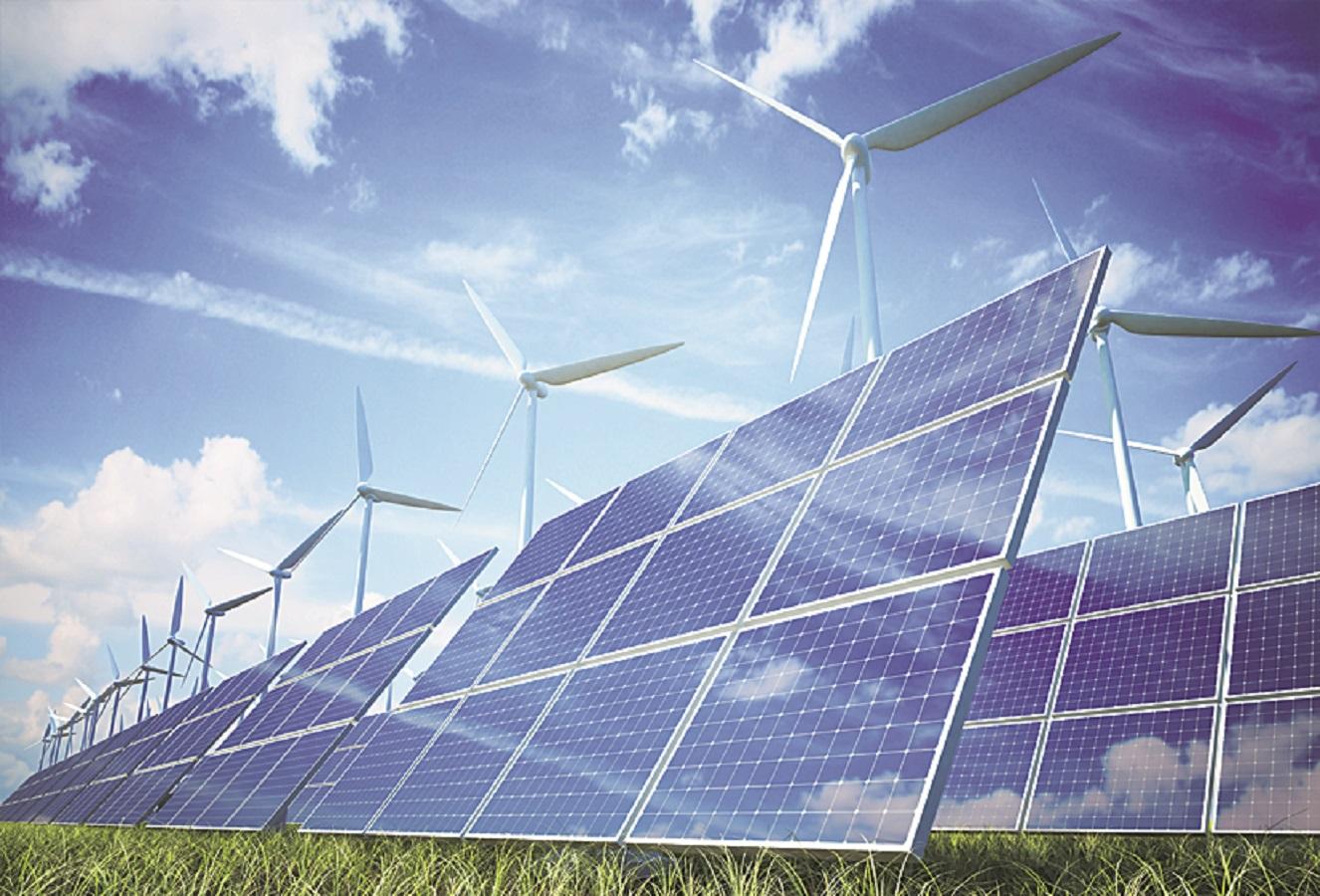
A new renewable energy partnership between industrial and clean power players is accelerating the shift toward low-carbon manufacturing in India’s construction sector. The latest Sunsure Wonder Cement solar PPA agreement will enable the supply of 30 MWp of solar power to cement manufacturing units across Maharashtra and Uttar Pradesh, marking a significant step in reducing the sector’s reliance on conventional energy. The arrangement involves multiple long-term open-access power purchase agreements under which solar energy is being supplied to facilities in Dhule and Aligarh. The electricity is sourced from large-scale solar assets located in Solapur and Augasi, reflecting a growing trend of decentralised, multi-state clean energy integration for industrial users.
For energy-intensive sectors such as cement, which are central to infrastructure and urban development, access to reliable and cleaner power is becoming a strategic priority. The current Sunsure Wonder Cement solar PPA is expected to meet a substantial portion of operational energy demand—around two-thirds at one facility and over half at another—reducing dependence on grid-based electricity. The environmental implications are equally notable. The transition is projected to cut carbon emissions by approximately 33,000 tonnes annually, underscoring how renewable sourcing can directly contribute to decarbonising one of the most carbon-intensive industries. This development reflects a broader shift in how industrial energy is being procured. Instead of relying solely on conventional supply, companies are increasingly adopting long-term renewable contracts that offer both cost predictability and sustainability benefits. Industry experts note that such agreements are becoming critical as energy price volatility and climate regulations reshape operational strategies. From an urban development perspective, the implications extend beyond emissions reduction. Cement is a foundational material for housing, transport infrastructure, and public works. Lowering the carbon footprint of its production has a direct impact on the sustainability of cities, particularly as India scales construction activity to meet population growth and urbanisation demands. The partnership also highlights the role of open-access renewable models in enabling this transition. By allowing industries to source power directly from renewable generators across states, these frameworks are helping bridge the gap between clean energy supply and industrial demand. However, scaling such initiatives across the sector will require continued policy support, grid infrastructure upgrades, and streamlined regulatory processes. Experts suggest that wider adoption of hybrid renewable systems—combining solar, wind, and storage—will be key to ensuring round-the-clock reliability for industrial operations.
As the cement sector navigates rising input costs and environmental pressures, agreements like the Sunsure Wonder Cement solar PPA illustrate how operational resilience and sustainability goals can increasingly align. Looking ahead, the pace of industrial decarbonisation will depend on how effectively such partnerships expand across regions and sectors, shaping a more climate-conscious foundation for India’s next phase of urban growth.
ALSO READ – Adani Odisha Investment Push Signals Industrial Expansion
Sunsure Wonder Cement Solar PPA Drives Green Shift
