Mumbai Affordable Housing Demand Rises In MHADA Sale
A strong early response to the Maharashtra Housing and Area Development Authority housing draw in Mumbai has underscored the persistent demand for affordable homes in India’s most expensive property market, with applications significantly outpacing available units within weeks of launch.
Data available from the authority shows that over 16,000 applications have been filed for 2,640 homes under the MHADA lottery 2026, signalling intense competition across income categories. The response reflects both the scarcity of formally supplied affordable housing and the continued reliance of middle- and lower-income households on public housing programmes to access ownership in Mumbai. The MHADA lottery 2026 spans a wide pricing spectrum from entry-level units priced just under ₹30 lakh in eastern suburbs to premium apartments exceeding ₹6 crore in South Mumbai. While such variation caters to multiple income brackets, urban planners note that the bulk of demand remains concentrated in the lower and middle segments, where private supply continues to lag affordability thresholds.
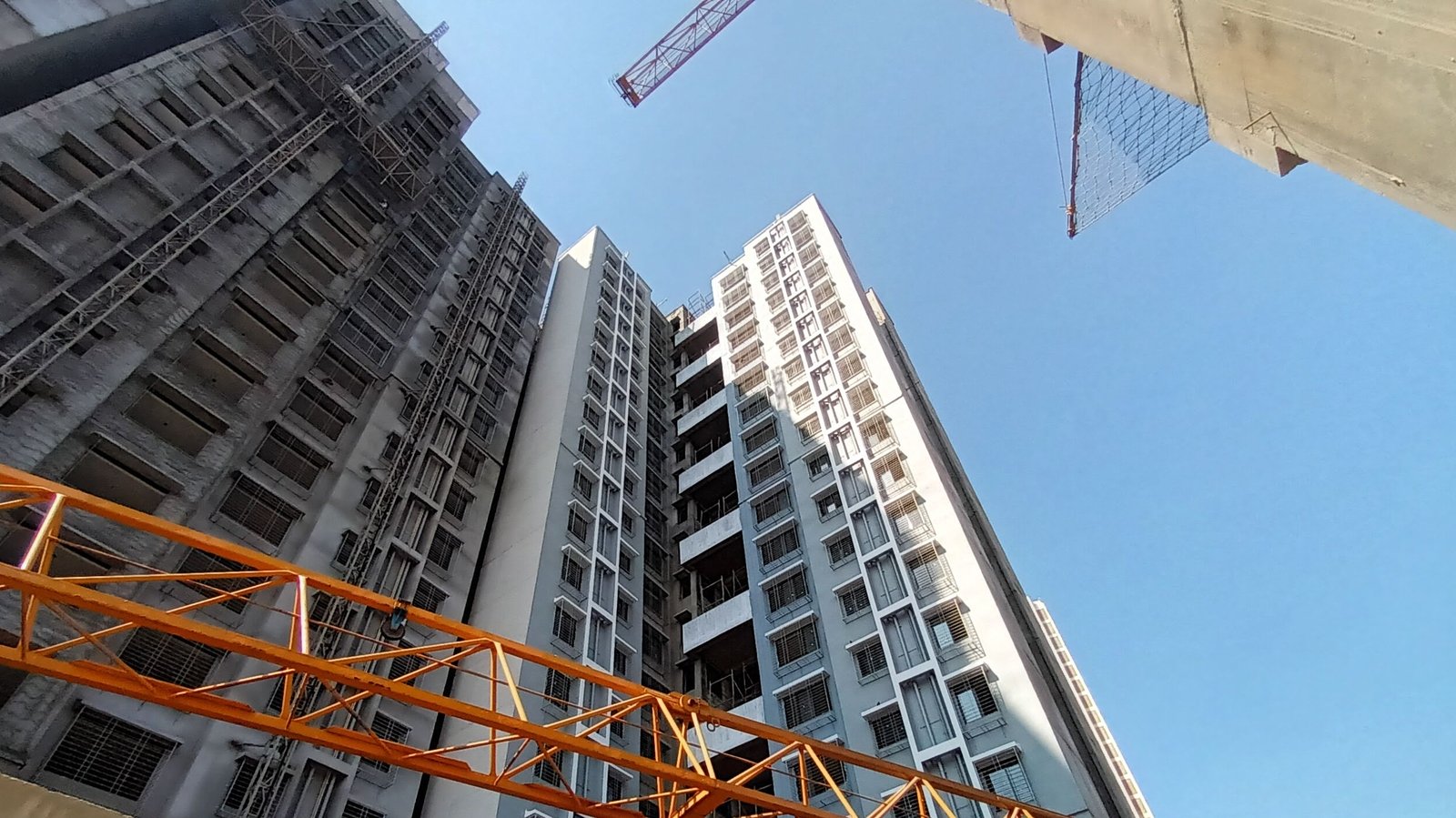
A notable feature of this year’s offering is that a majority of the inventory is still under development. Over two-thirds of the homes are yet to be completed, located in suburban growth corridors such as Vikhroli, Goregaon and Borivali. This raises questions about delivery timelines and infrastructure readiness, particularly in areas already grappling with congestion and uneven civic services.Industry experts suggest that the scale of applications for the MHADA lottery 2026 reflects a structural imbalance in Mumbai’s housing ecosystem. While premium real estate has seen steady expansion, supply targeted at economically weaker sections and lower middle-income households remains constrained. Public-led initiatives, therefore, continue to act as a critical entry point for first-time buyers. Urban economists also point to the broader implications for city planning. Concentrating affordable housing in peripheral zones without parallel investment in transport, healthcare, and employment hubs risks reinforcing spatial inequality.
Ensuring that such developments are integrated with transit networks and climate-resilient infrastructure will be key to making them sustainable in the long term.The scheme also includes a small allocation reserved for public representatives, reflecting legacy policy provisions, though such allocations remain marginal in the overall distribution. With the application window open until the end of April and results expected in mid-May, the MHADA lottery 2026 will serve as an important barometer of housing demand patterns in Mumbai. For policymakers, the scale and composition of interest could inform future supply strategies particularly the need to align affordability, location, and infrastructure in one of the world’s most densely populated urban regions.