


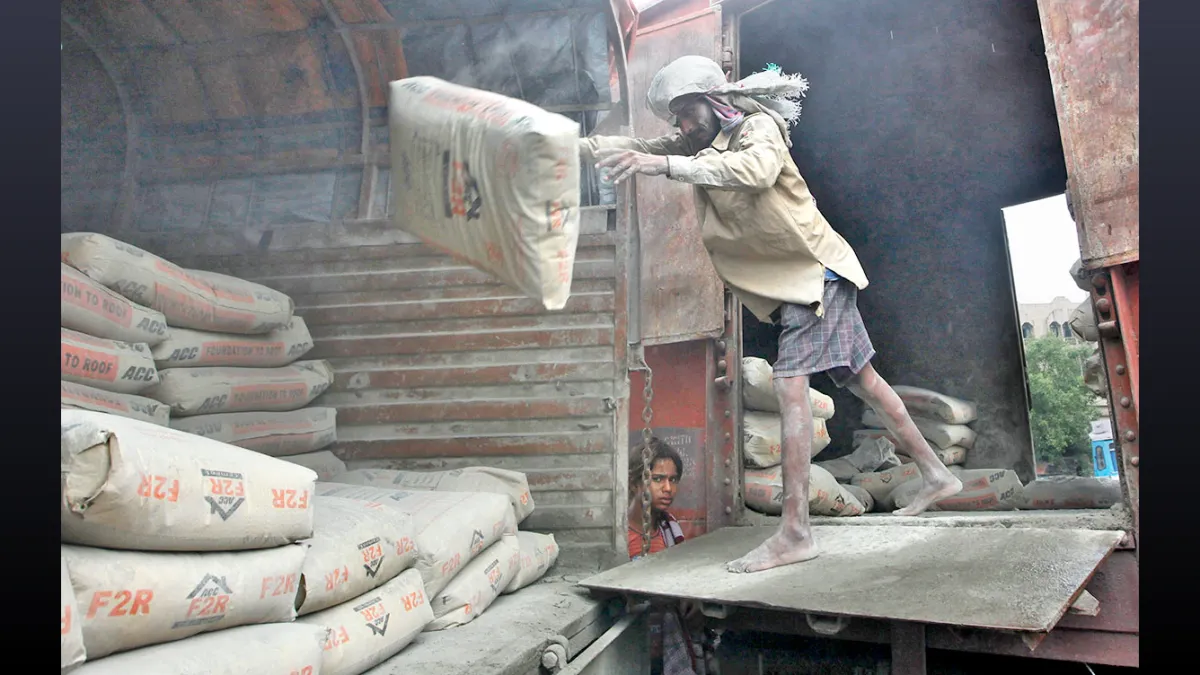
Shree Cement has approved plans to set up an integrated cement manufacturing facility in Meghalaya’s East Jaintia Hills, signalling a fresh industrial push into India’s resource-rich Northeast while also reigniting questions around ecological balance and local livelihoods. The project underscores the region’s growing role in India’s construction supply chain, even as it tests how industrial expansion aligns with sustainable land use. The proposed Shree Cement facility is designed as a fully integrated unit, combining clinker production and cement grinding at a single site. Industry disclosures indicate a capacity of nearly one million tonnes annually for both clinker and finished cement, alongside captive power generation and waste heat recovery systems. This configuration reflects a broader shift in cement manufacturing towards energy efficiency and cost optimisation.
For Meghalaya, the Shree Cement project represents both opportunity and tension. The state has long attracted cement investments due to its limestone reserves, but the concentration of such units has raised cumulative environmental concerns. Urban planners note that while industrial growth can generate employment and improve regional logistics, it also places pressure on fragile ecosystems, especially in districts already witnessing mining and extractive activity. Local responses to the Shree Cement development have been mixed. Community groups and civil society organisations have flagged potential impacts on water sources, agriculture, and traditional land ownership patterns. Public consultations around the project have drawn attention to governance gaps in balancing industrial approvals with community consent, an issue increasingly central to infrastructure expansion in ecologically sensitive regions.From a business perspective, the Meghalaya investment aligns with Shree Cement’s long-term capacity expansion strategy across India. The company has been steadily increasing its production footprint to meet rising demand from housing, infrastructure, and urban development sectors. Analysts point out that eastern and northeastern markets are becoming critical due to improving connectivity and growing construction activity.
However, the Shree Cement project also reflects a broader policy challenge: how to integrate heavy industry into regions that are simultaneously climate-vulnerable and development-deficit. Experts argue that future approvals may increasingly hinge on demonstrable commitments to low-carbon processes, efficient resource use, and local economic integration. As India’s urbanisation accelerates, projects like the Shree Cement plant in Meghalaya highlight the evolving trade-offs between growth and sustainability. The next phase will likely depend on how effectively regulatory institutions, companies, and communities negotiate environmental safeguards alongside economic ambition.
ALSO READ – Delhi Approves Major Medical College Hostel Expansion Plan
Shree Cement Expansion In Meghalaya Sparks Debate
