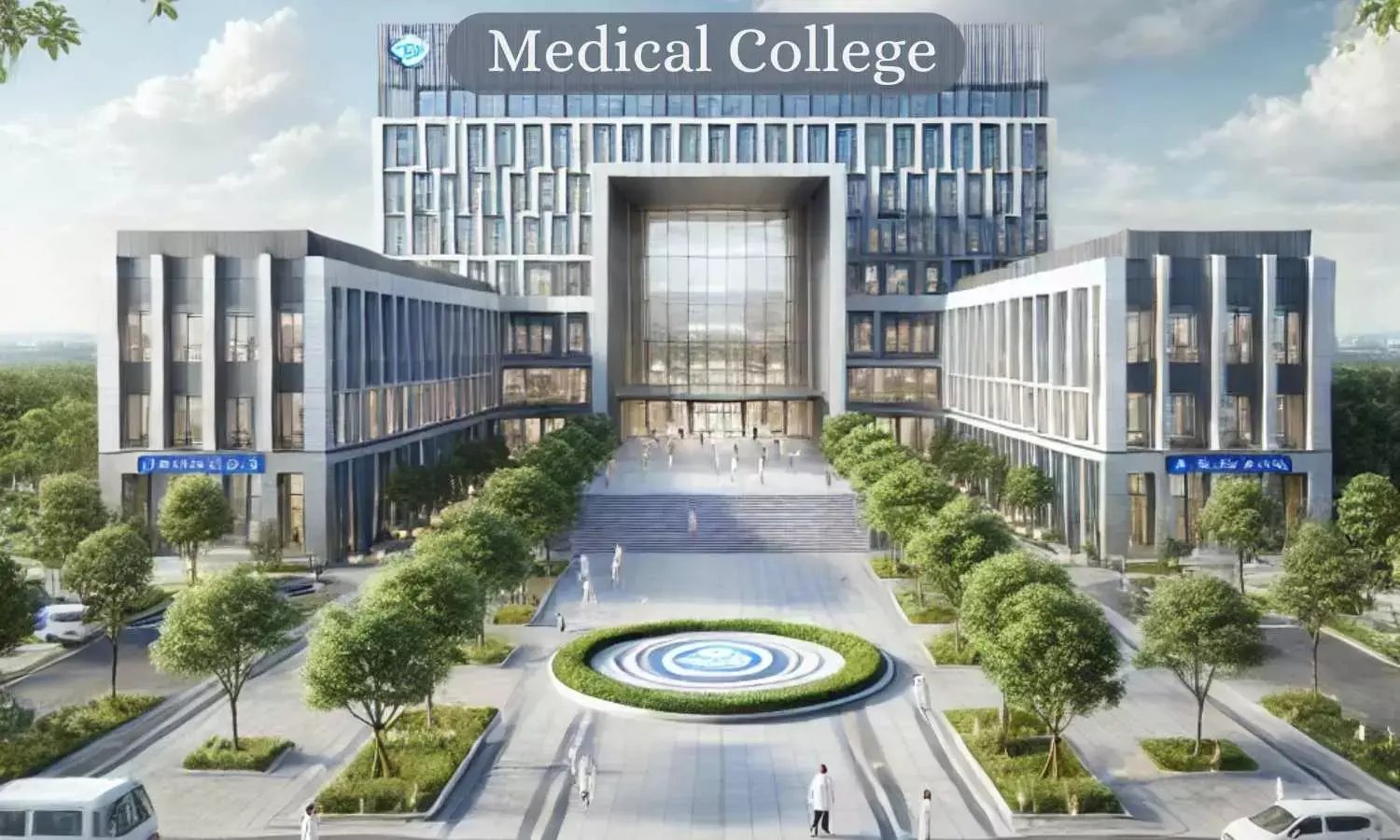
Delhi Approves Major Medical College Hostel Expansion Plan
Delhi has approved a major infrastructure upgrade at a leading public medical institution, clearing the construction of two new student hostels worth over ₹570 crore to address rising enrolment and long-standing accommodation shortages within the campus. The project, sanctioned through the state’s financial approval mechanism for public infrastructure, will add dedicated residential facilities for male and female students at Maulana Azad Medical College. The initiative is expected to significantly expand the college’s residential capacity at a time when medical education demand in the capital has steadily increased.
Officials involved in the planning process said the expansion was prompted by a sharp rise in student intake over the past decade. With the number of medical seats increasing substantially, existing hostel blocks—many constructed several decades ago—have struggled to keep pace with demand. As a result, several students have been forced to share rooms beyond intended capacity, while others have sought accommodation outside the campus. The medical college hostel expansion will involve two separate complexes built within the existing institutional premises. One facility will cater to female students while the other will house male students. The combined project cost has been estimated at approximately ₹573 crore, with construction scheduled to be completed over a three-year period once groundwork begins. Urban planners and education infrastructure experts note that expanding residential facilities inside academic campuses has broader implications for city planning. Student housing located within institutional grounds reduces commuting demand, limits pressure on surrounding rental markets, and allows campuses to function as self-contained learning environments.
Officials familiar with the proposal indicated that the buildings will incorporate modern design standards along with updated electrical and civil infrastructure. Basement levels and improved utility services are also planned to support long-term operational efficiency and accommodate future growth in student numbers. Authorities said the medical college hostel expansion will proceed in phases. Initial months will be dedicated to finalising technical drawings, procurement and contractor mobilisation, followed by roughly two-and-a-half years of construction activity. The project also reflects a broader shift in public infrastructure planning where healthcare and education institutions are receiving renewed capital investment. Government departments overseeing the initiative said improving residential conditions is increasingly seen as essential to supporting academic performance and overall student welfare. Experts in higher education policy point out that accommodation shortages remain a persistent challenge across many public medical colleges in India, particularly in metropolitan cities where land constraints and growing student populations collide.
By expanding residential capacity within its campus, the institution aims to reduce overcrowding while creating a more stable learning environment for future batches of medical students. With administrative clearance now secured, implementing agencies are expected to begin preparatory procedures, signalling the next phase of Delhi’s medical college hostel expansion and its push to strengthen infrastructure supporting healthcare education in the capital.