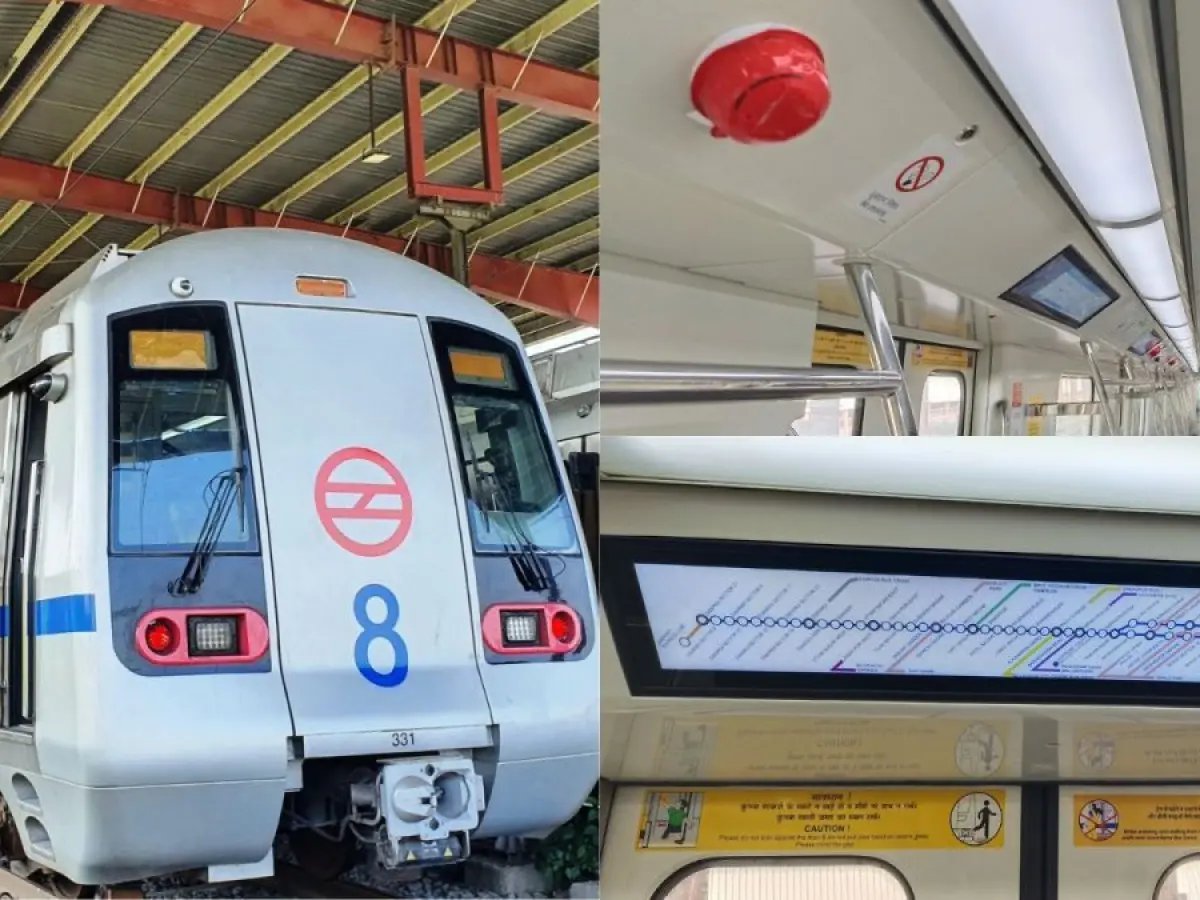
Delhi Metro Train Refurbishment Modernizes Blue Line Fleet
Delhi’s rapid transit network is undertaking a large modernisation effort aimed at upgrading some of its oldest trains to meet evolving passenger expectations and safety standards. The programme focuses on the Delhi Metro train refurbishment of early-generation rolling stock operating mainly on the Blue Line, with additional upgrades planned for trains on the Red Line over the coming years. Metro authorities say the refurbishment initiative targets trains introduced during the early phases of the network between the early 2000s and mid-2000s. After nearly two decades of continuous service, these trainsets are undergoing technical and interior upgrades designed to extend operational life while improving reliability and commuter comfort.
Urban transport experts note that such mid-life refurbishment programmes are common across major metro systems globally. Rather than replacing entire fleets prematurely, operators upgrade critical systems, safety equipment and passenger amenities to align older trains with contemporary standards. Under the ongoing Delhi Metro train refurbishment initiative, dozens of trains are scheduled to be modernised in multiple phases. Several trainsets have already been upgraded, while further work is underway to refurbish additional units over the next few years. The programme is expected to continue until the latter part of the decade. The Blue Line, which connects major residential and commercial zones across west and east Delhi and extends toward neighbouring cities, remains one of the busiest corridors in the network. Upgrading rolling stock on this route is considered critical to maintaining service efficiency and passenger satisfaction. Among the most significant improvements introduced through the Delhi Metro train refurbishment programme are new digital passenger information systems. These internet protocol-based communication systems enable clearer announcements and more accurate real-time updates on station arrivals, route information and operational messages.
Dynamic route displays installed inside the coaches provide passengers with visual updates throughout their journey, a feature designed to assist commuters unfamiliar with the network or travelling during peak hours. Safety systems have also been strengthened. Engineers have integrated additional surveillance cameras inside coaches to enhance monitoring capabilities. Upgraded fire detection systems using advanced smoke and heat sensors have also been installed to improve emergency response readiness. From an operational perspective, electrical components within the trains have been modernised to increase reliability. Several legacy systems, including older relay and circuit units, are being replaced with updated electrical modules designed to support higher efficiency and reduce maintenance downtime. The refurbishment programme also introduces passenger-focused features reflecting evolving commuter needs. Charging points for mobile devices and laptops have been installed inside coaches, acknowledging the growing reliance on digital connectivity during daily travel. Urban mobility planners emphasise that maintaining and upgrading existing public transport infrastructure is as important as expanding networks in rapidly growing cities. By extending the life cycle of existing trains, transit authorities can reduce resource consumption while ensuring that high-capacity public transport remains reliable and accessible.
As Delhi continues to expand its metro system and attract new riders, sustained investment in maintenance and modernisation will play a key role in ensuring the network remains safe, efficient and capable of supporting the capital’s long-term mobility and sustainability goals.