India Telecom Infrastructure Struggles With Fuel Restrictions
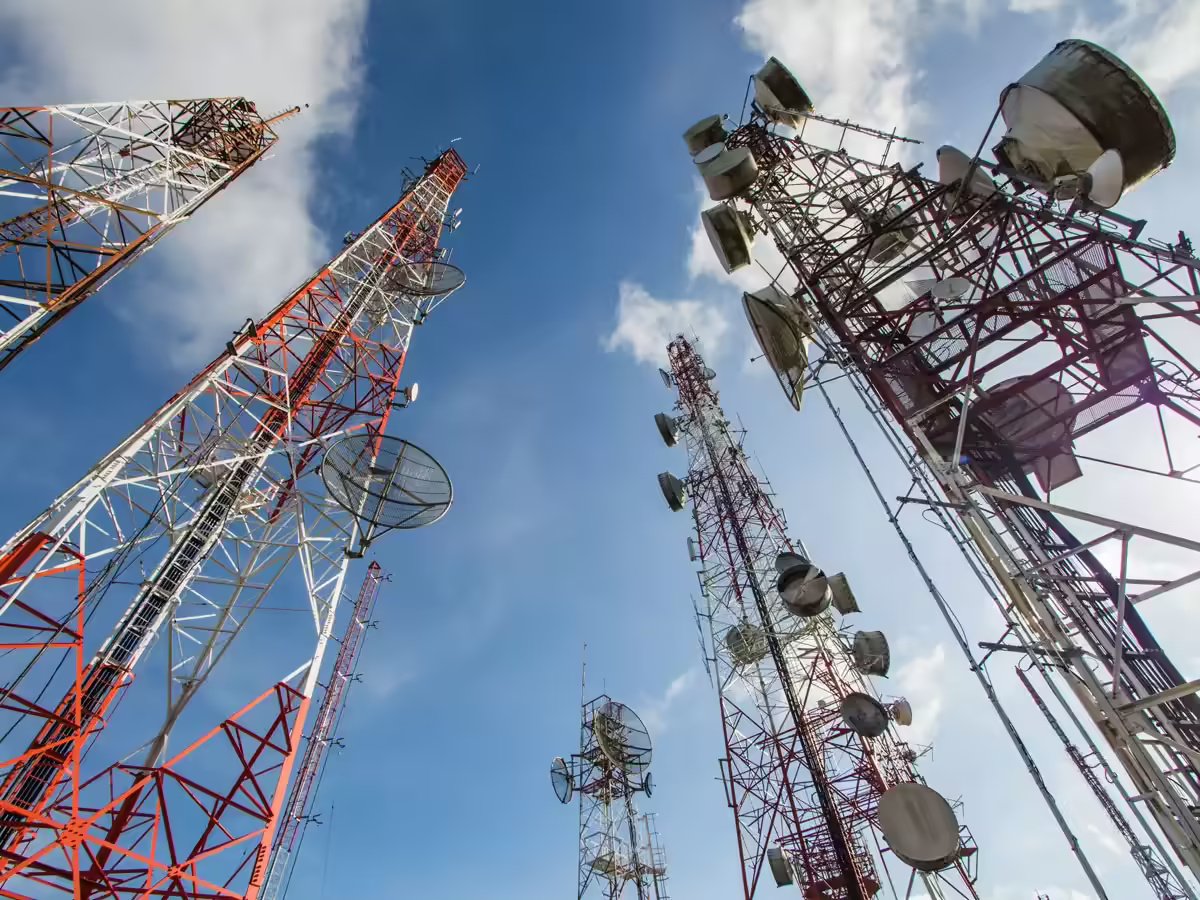
India’s digital connectivity backbone is encountering operational challenges as telecom infrastructure providers and equipment manufacturers warn of disruptions affecting tower operations and network expansion. Industry bodies have alerted authorities that fuel supply restrictions, power shortages and global logistics delays are collectively straining India telecom infrastructure, raising concerns about network reliability in several regions. Telecom towers form the physical foundation of the country’s mobile networks, supporting voice, internet and data connectivity for millions of users. However, operators say recent restrictions on the sale of diesel in containers across multiple states have created practical challenges for field teams responsible for maintaining tower operations.
According to industry representatives, district-level measures designed to prevent fuel hoarding have limited the ability of maintenance teams to procure diesel required for generator backup systems at tower sites. In states such as Maharashtra, Uttar Pradesh and Madhya Pradesh, some fuel stations have stopped providing diesel in drums, a supply format typically used for telecom tower refuelling. Telecom infrastructure specialists say uninterrupted power supply remains essential for maintaining stable connectivity, particularly in rural or semi-urban locations where grid electricity outages are frequent. When power disruptions occur, telecom towers rely on diesel generator systems to ensure continuous service. Industry associations representing network operators have emphasised that India telecom infrastructure must be treated as a critical service, especially as mobile connectivity increasingly underpins financial transactions, emergency communication and digital governance. Compounding operational challenges on the ground are supply chain disruptions affecting telecom equipment manufacturers. Companies involved in network infrastructure deployment report that international shipping routes have become significantly longer due to ongoing geopolitical tensions in West Asia.
Manufacturers say components that previously reached India within days are now taking weeks to arrive. Rerouting of cargo vessels has also increased freight and insurance costs for imported telecom equipment, which could impact deployment timelines for new network infrastructure. Industry analysts note that these delays may affect the rollout of new telecom towers, 5G equipment and network upgrades in the coming months if supply chains remain constrained. Additional complications have emerged within tower manufacturing itself. Producers of telecom structures rely on galvanisation processes to protect steel towers from corrosion. However, restrictions affecting the supply of certain industrial fuels used in these facilities have disrupted production cycles at some manufacturing units. Experts warn that continued supply interruptions could slow network expansion projects, particularly in regions where mobile coverage gaps still exist. The challenges highlight the complex logistics behind maintaining modern digital infrastructure. Telecom networks depend not only on advanced technology but also on reliable energy supply, manufacturing inputs and global equipment logistics.
Urban planners and digital infrastructure specialists increasingly view telecom connectivity as a core component of smart and climate-resilient cities. Reliable networks support everything from digital payments and telemedicine to emergency services and remote education. Industry observers suggest that resolving fuel access constraints for maintenance teams and stabilising equipment supply chains will be essential to maintain service continuity. As India continues expanding its digital economy, ensuring resilience within India telecom infrastructure will remain critical for both urban and rural connectivity.