Delhi EV Policy 2026 Accelerates Urban Transport Transition
Delhi is preparing for one of the most significant transformations of its urban transport system as the government releases a draft framework aimed at accelerating electric mobility across the capital. The proposed Delhi EV Policy 2026 outlines timelines to phase out new petrol-powered two-wheelers and CNG-run three-wheelers while introducing financial incentives, scrappage benefits and expanded charging infrastructure to support the transition. The policy has been opened for public consultation, with citizens, industry stakeholders and mobility experts invited to submit feedback before the final version is adopted. Authorities say the strategy reflects a broader attempt to tackle severe urban air pollution while modernising the city’s transport ecosystem.
Two-wheelers represent the largest segment of Delhi’s vehicle population and are widely used for personal commuting, ride-hailing services and delivery operations. Transport planners note that because these vehicles operate intensively and frequently, they contribute significantly to urban emissions. The Delhi EV Policy 2026 therefore places particular emphasis on electrifying this category. Under the proposed framework, new registrations of petrol-powered two-wheelers would end by 2028, while new CNG three-wheelers would transition to electric models earlier. Three-wheelers are a key component of last-mile transport in the capital, particularly for informal workers and neighbourhood mobility. Urban mobility specialists say focusing on these segments could generate substantial environmental benefits. High daily mileage and constant operation make these vehicles major contributors to particulate pollution in dense urban areas. The policy also outlines targeted financial support to encourage adoption of electric alternatives. Purchase incentives have been proposed for electric two-wheelers, three-wheelers and light commercial vehicles, while older petrol and diesel vehicles could qualify for scrappage incentives. These measures aim to accelerate fleet turnover and reduce the presence of ageing vehicles that fail to meet current emission standards.
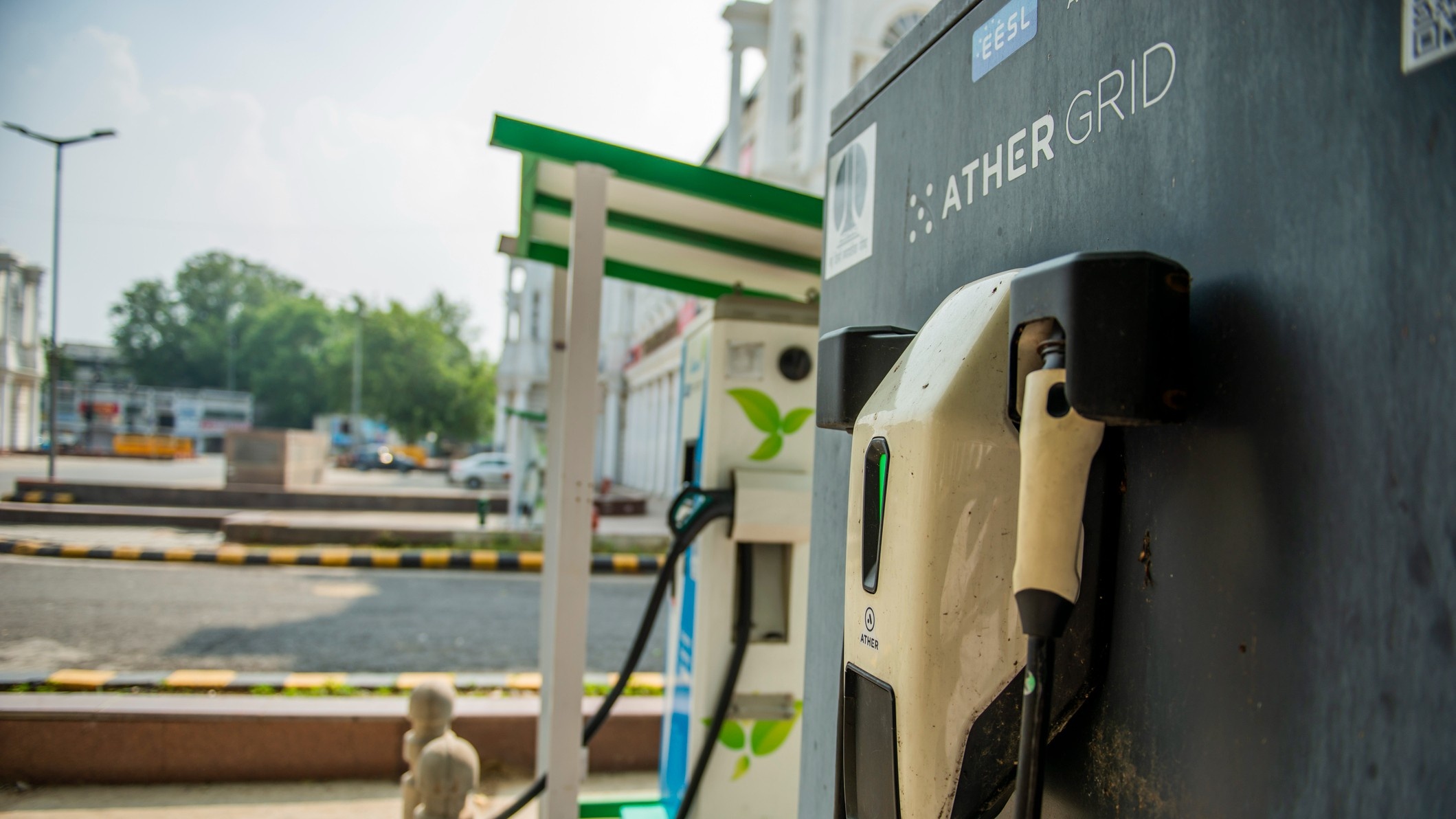
However, the Delhi EV Policy 2026 marks a shift in approach for private car buyers. While tax exemptions and registration fee waivers remain available for electric cars, the policy no longer offers direct purchase subsidies for private passenger vehicles. Transport economists say this reflects a strategic move to prioritise segments that deliver the greatest pollution reduction per kilometre travelled. The policy proposes a total financial allocation of nearly ₹4,000 crore across several years, with funding directed toward vehicle incentives, scrapping programmes and charging infrastructure development. A substantial portion of the budget is earmarked for retiring older vehicles, indicating the scale of the transition anticipated by policymakers. Infrastructure planning is another critical component. Authorities plan to expand charging networks and battery swapping facilities while establishing regulatory frameworks to standardise charging systems and operational procedures. A government-owned power transmission entity has been designated to coordinate planning and implementation of these networks.
The policy also introduces provisions for battery recycling and tracking systems aligned with national waste management rules. Manufacturers will be required to take responsibility for end-of-life battery management under extended producer responsibility guidelines. Urban sustainability experts say the Delhi EV Policy 2026 represents a decisive shift toward regulatory measures rather than relying solely on financial incentives. The consultation process will now determine how the policy balances environmental ambitions with the practical realities faced by commuters, delivery workers and small transport operators across the capital.