Delhi Metro Blue Line Modernization Improves Travel
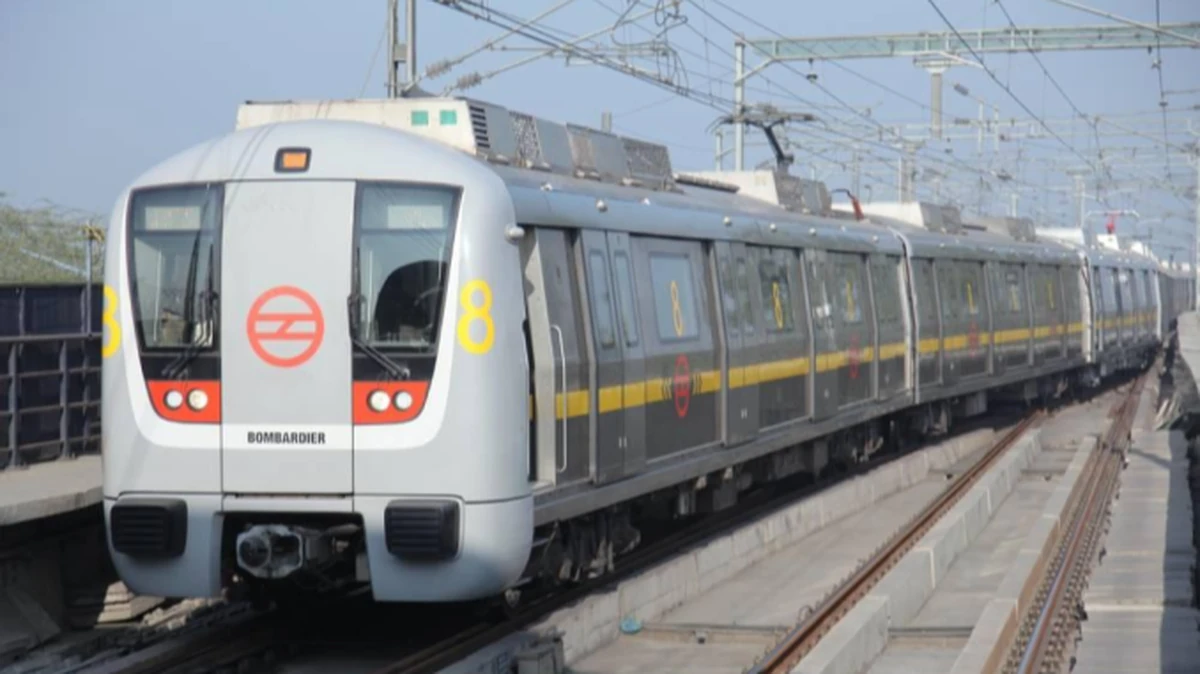
Delhi’s urban transit network is undergoing a quiet but significant transformation as ageing metro trains on one of the capital’s busiest corridors are being modernised to meet contemporary passenger and technology standards. The initiative focuses on the Delhi Metro Blue Line upgrade, a refurbishment programme designed to extend the life of older trainsets while improving safety, reliability and commuter experience across the high-traffic route. The Blue Line, which connects key residential and commercial districts between Dwarka and Noida/Vaishali, remains one of the busiest sections of the city’s rapid transit network. Many of the trains operating on the corridor have been in service for nearly two decades. Transport authorities say the refurbishment programme is intended to bring these older trains closer to the operational standards of newer metro fleets now deployed across the network.
According to officials involved in the project, the Delhi Metro Blue Line upgrade forms part of a mid-life modernisation strategy commonly adopted by global metro systems. Rather than replacing entire train fleets, operators refurbish existing rolling stock midway through its lifecycle, integrating updated digital systems, improved passenger amenities and enhanced operational technologies. As part of the programme, train interiors and driver cabins are being redesigned with refreshed finishes and updated materials aimed at improving durability and passenger comfort. Engineers say the changes also address wear and tear accumulated over years of heavy usage in one of the capital’s most intensively used transport corridors. A key feature of the Delhi Metro Blue Line upgrade is the installation of internet protocol-based passenger announcement and passenger information systems. These systems are designed to deliver clearer onboard announcements and more accurate station updates. Real-time travel information, including route details and arrival alerts, will now be transmitted through a digital communication network integrated within the train control system.
Urban transport specialists say such upgrades play an important role in maintaining service quality in mature metro systems. As ridership grows and passenger expectations evolve, real-time information and reliable communication systems have become essential elements of public transport infrastructure. The refurbishment programme also reflects a broader shift toward improving passenger-centric design in mass transit networks. Modernised lighting, improved information displays and upgraded public announcement systems can significantly enhance accessibility, particularly for first-time users, elderly commuters and passengers with visual or hearing limitations. For the city’s transport planners, maintaining and upgrading existing metro infrastructure is as critical as expanding the network itself. Delhi’s metro system has grown rapidly over the past two decades and now serves millions of passengers each day. Ensuring that older assets remain technologically relevant helps prevent service disruptions while supporting the city’s long-term mobility goals.
Experts also point out that extending the operational life of metro trains through refurbishment is environmentally beneficial. Replacing entire train fleets can be resource-intensive, whereas modernisation programmes allow transport systems to reduce waste and optimise the use of existing infrastructure. As the capital continues to expand its metro corridors and strengthen public transport connectivity, such upgrades will likely play a central role in keeping the system efficient, reliable and aligned with the needs of a growing urban population.