Delhi Electric Vehicle Policy Accelerates Clean Mobility
Delhi is preparing for one of the most aggressive urban transport transitions in India as the city government proposes a large-scale electrification strategy aimed at reducing vehicle emissions and tackling persistent air pollution. The draft framework, backed by a financial allocation of nearly ₹4,000 crore, outlines timelines to phase out petrol and diesel vehicles in key mobility segments while expanding charging infrastructure across the capital. Urban mobility officials say the proposed Delhi electric vehicle policy represents the next stage of the city’s attempt to decarbonise its transport ecosystem, which remains a major contributor to particulate pollution in the National Capital Region. The policy outlines a phased shift toward electric vehicles, particularly in categories that dominate daily urban travel.
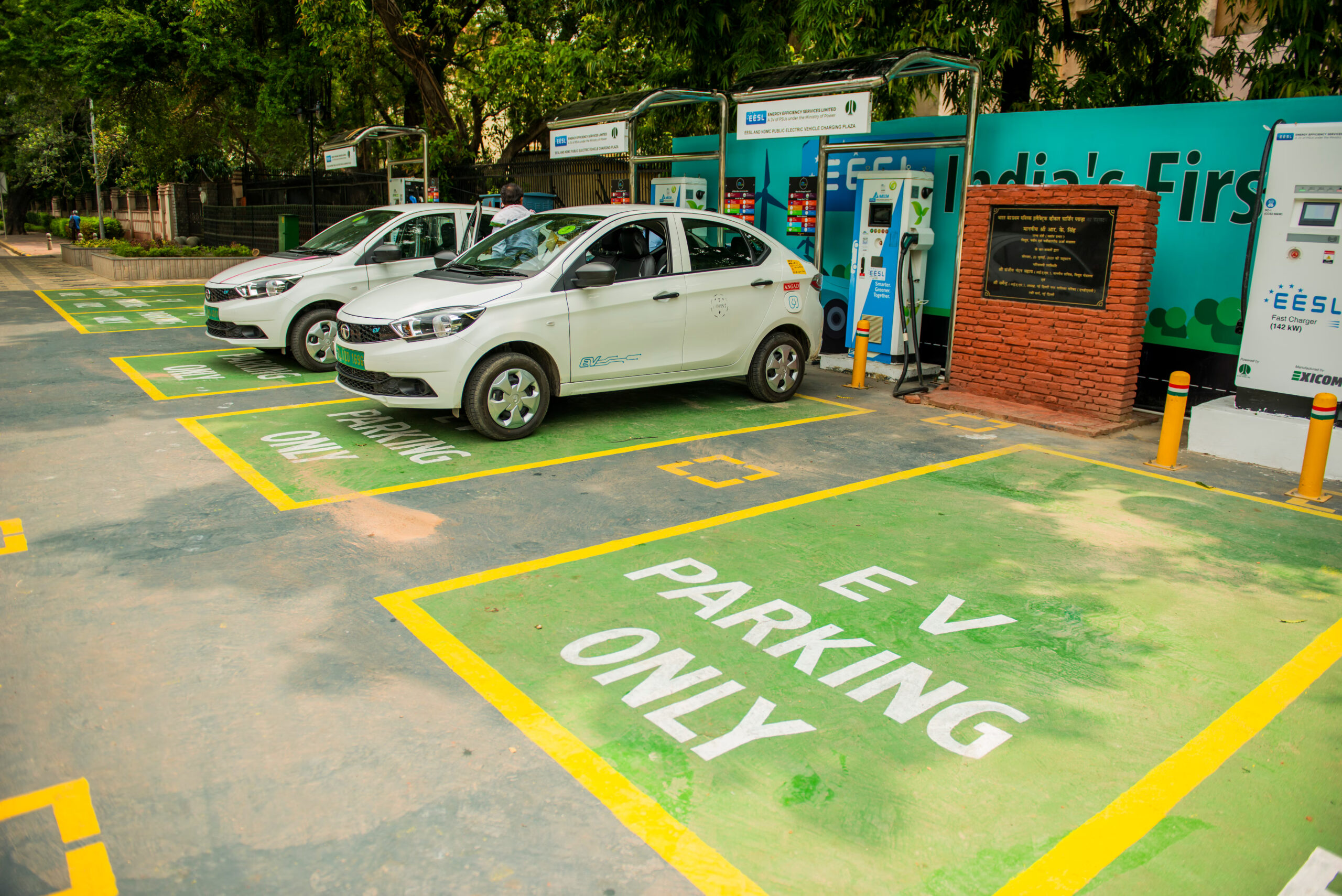
Under the proposed timeline, new registrations of three-wheelers in the capital would transition entirely to electric models from early 2027. Two-wheelers, which make up a large share of Delhi’s vehicle population and are widely used for personal commuting and delivery services, are expected to move to fully electric registrations by 2028. Transport planners note that targeting these categories could significantly reduce emissions from urban traffic. Two- and three-wheelers account for a substantial portion of short-distance trips in the city and are widely used in the informal transport and logistics economy. The draft Delhi electric vehicle policy also places strong emphasis on building charging infrastructure at scale. Authorities plan to deploy tens of thousands of public charging points across the capital within the next two years. The objective is to ensure that electric vehicle users have convenient access to charging facilities within close proximity to residential and commercial areas. Officials involved in the planning process indicate that the charging network will be supported through partnerships with private operators, urban local bodies and power distribution companies. Experts say such distributed infrastructure is essential if electric vehicles are to be adopted beyond early adopters and large fleet operators.
The policy also proposes financial incentives aimed at encouraging faster adoption. Vehicle owners replacing ageing petrol or diesel vehicles may be eligible for scrappage incentives, while commercial fleet operators could access subsidised financing to support the transition to electric vehicles. Alongside private mobility, public transport electrification remains a central pillar of the strategy. Delhi’s state-run bus operator has already been introducing electric buses in phases, and authorities aim to fully transition the fleet to battery-powered vehicles in the near term. Transport specialists say this shift could significantly reduce emissions from high-capacity urban transit systems. Industry representatives, however, have highlighted several challenges associated with such an accelerated transition. Automotive manufacturers and supply chain experts warn that domestic battery manufacturing capacity and component supply networks will need to scale rapidly to support rising demand. Urban economists also point to potential disruptions in the informal automobile trade, particularly among small-scale vehicle dealers and second-hand markets that rely heavily on internal combustion engine vehicles.
Despite these concerns, environmental planners believe the Delhi electric vehicle policy could become a defining step in the capital’s long-term effort to reduce pollution and modernise urban transport. The public consultation phase will now determine how the policy evolves before implementation, with regulators expected to weigh industry capacity, affordability, and infrastructure readiness.