


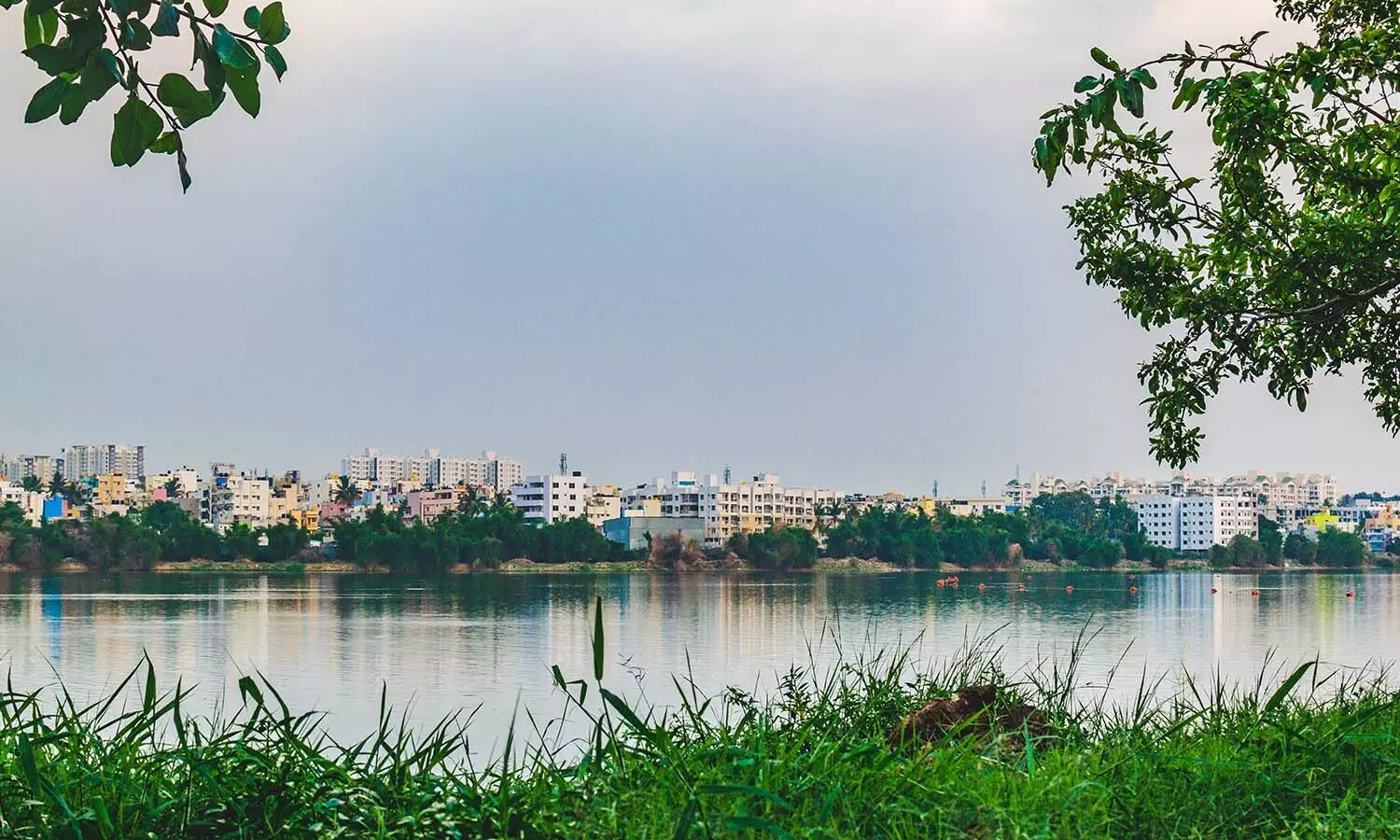
A new initiative to replenish multiple water bodies using recycled resources is positioning Bengaluru treated water lakes as a key component of the city’s long-term water sustainability strategy.
The plan to channel treated wastewater into several lakes in the southern part of the city reflects a shift towards circular water management in response to rising urban demand and depleting natural sources.Urban water experts note that Bengaluru’s rapid expansion has placed significant pressure on traditional water systems, including lakes that historically functioned as storage and recharge points. The revival of these water bodies through treated water offers a dual benefit — augmenting water availability while restoring ecological balance.The concept behind Bengaluru treated water lakes lies in reusing wastewater that has undergone adequate treatment to meet environmental standards. Instead of being discharged, this resource is redirected to replenish lakes, helping maintain water levels even during dry periods. This approach reduces dependency on freshwater sources such as groundwater and distant reservoirs.Environmental planners highlight that the initiative can contribute to improving urban biodiversity. Restored lakes can support aquatic life, attract migratory birds, and create green buffers that mitigate the urban heat island effect. Additionally, water bodies play a role in groundwater recharge, helping stabilise water tables in surrounding areas.However, the success of Bengaluru treated water lakes depends heavily on the quality of treatment processes. Ensuring that water meets safety and ecological standards is critical to preventing contamination and long-term environmental damage.
Experts stress the need for continuous monitoring and robust infrastructure to maintain water quality.The initiative also has implications for urban flood management. Well-maintained lakes can act as buffers during heavy rainfall, absorbing excess water and reducing the risk of flooding in low-lying areas. Integrating lake restoration into broader stormwater management systems can enhance the city’s resilience to extreme weather events.From an economic perspective, the reuse of treated water represents a cost-effective alternative to sourcing new water supplies. It reduces the need for expensive infrastructure projects aimed at transporting water over long distances, while also lowering the environmental footprint of urban water systems.Real estate and urban development are likely to be influenced as well. Proximity to well-maintained lakes can enhance property values and improve quality of life for residents.Developers are increasingly recognising the importance of water bodies as urban amenities, incorporating them into planning and design strategies.Social acceptance remains a key factor. Public perception of treated water can influence the success of such initiatives. Awareness campaigns and transparency in water quality standards will be essential to build trust and encourage community support for Bengaluru treated water lakes.
As cities across India grapple with water scarcity, Bengaluru’s approach highlights the potential of circular resource management. Scaling and sustaining Bengaluru treated water lakes will require coordinated efforts across governance, infrastructure, and community engagement — but it offers a promising pathway towards a more resilient and sustainable urban water future.
Also Read:Bengaluru Airport Contactless Travel Trials Begin
