


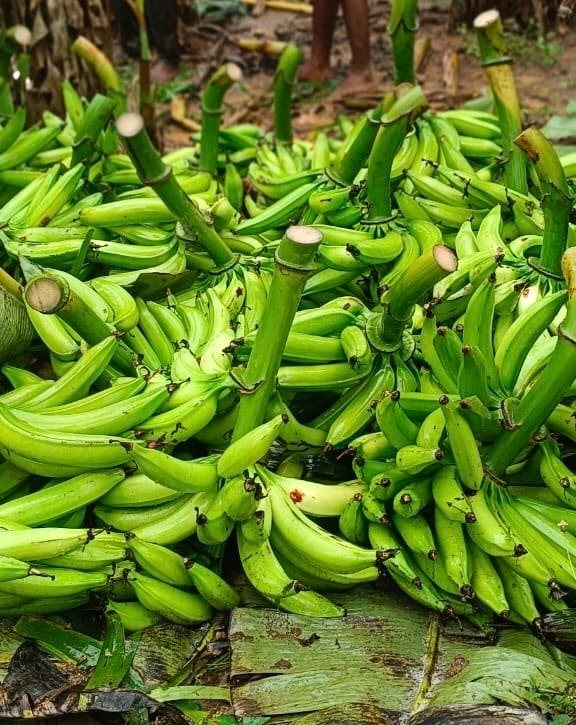
Fluctuations in Bengaluru banana prices are highlighting the growing vulnerability of urban food systems to regional climate variability, as adverse weather conditions in neighbouring states disrupt supply chains.
The price movement underscores how cities depend heavily on external agricultural regions for essential commodities.Supply disruptions linked to unseasonal weather events have affected banana-producing areas, reducing harvest volumes and delaying transport. For Bengaluru, which relies on inflows from nearby states, this has translated into tighter supply and upward pressure on retail prices. Experts note that such shifts are becoming increasingly common as climate unpredictability affects agricultural output.The impact of rising Bengaluru banana prices is felt across both households and small businesses. Bananas, being a staple fruit consumed daily, form an essential part of urban diets. Price increases can therefore influence overall food expenditure, particularly for lower-income groups. Street vendors, juice sellers, and small eateries also face cost pressures, often with limited ability to pass on the full increase to customers.Urban economists highlight that the situation reflects broader structural challenges in city food supply systems. Bengaluru’s dependence on external agricultural zones means that disruptions — whether due to weather, logistics, or market volatility — can quickly affect availability and pricing within the city.This interdependence underscores the need for more resilient and diversified supply chains.From an infrastructure perspective, efficient storage and transportation systems are critical in mitigating such shocks.
Cold chain logistics, better warehousing, and streamlined distribution networks can help reduce losses and stabilise supply during periods of disruption. However, gaps in these systems continue to expose vulnerabilities.The issue also brings attention to the role of climate change in shaping urban economies. As weather patterns become more erratic, agricultural production cycles are increasingly affected, leading to fluctuations in supply and pricing. The rise in Bengaluru banana prices serves as a microcosm of this larger trend, where environmental factors directly influence urban cost structures.Policy experts suggest that strengthening local and peri-urban agriculture could help reduce reliance on distant supply sources. Encouraging urban farming initiatives and supporting nearby agricultural zones can create more resilient food networks, particularly for perishable goods.Real estate and urban planning are indirectly linked to these dynamics. The preservation of agricultural land around cities and the integration of food systems into urban planning frameworks are becoming important considerations in sustainable city development.Consumer behaviour is also evolving in response to price volatility.Households may shift towards alternative fruits or adjust consumption patterns, while businesses explore sourcing strategies to manage costs. Such adaptations reflect the flexibility of urban markets but also highlight underlying instability.
Looking ahead, managing the factors driving Bengaluru banana prices will require coordinated efforts across agriculture, logistics, and urban planning. Building climate-resilient supply chains and investing in infrastructure will be essential to ensuring stable and affordable food access in rapidly growing cities like Bengaluru.
Also Read:Bengaluru Pothole Issue Raises Infrastructure Spending Concerns
