


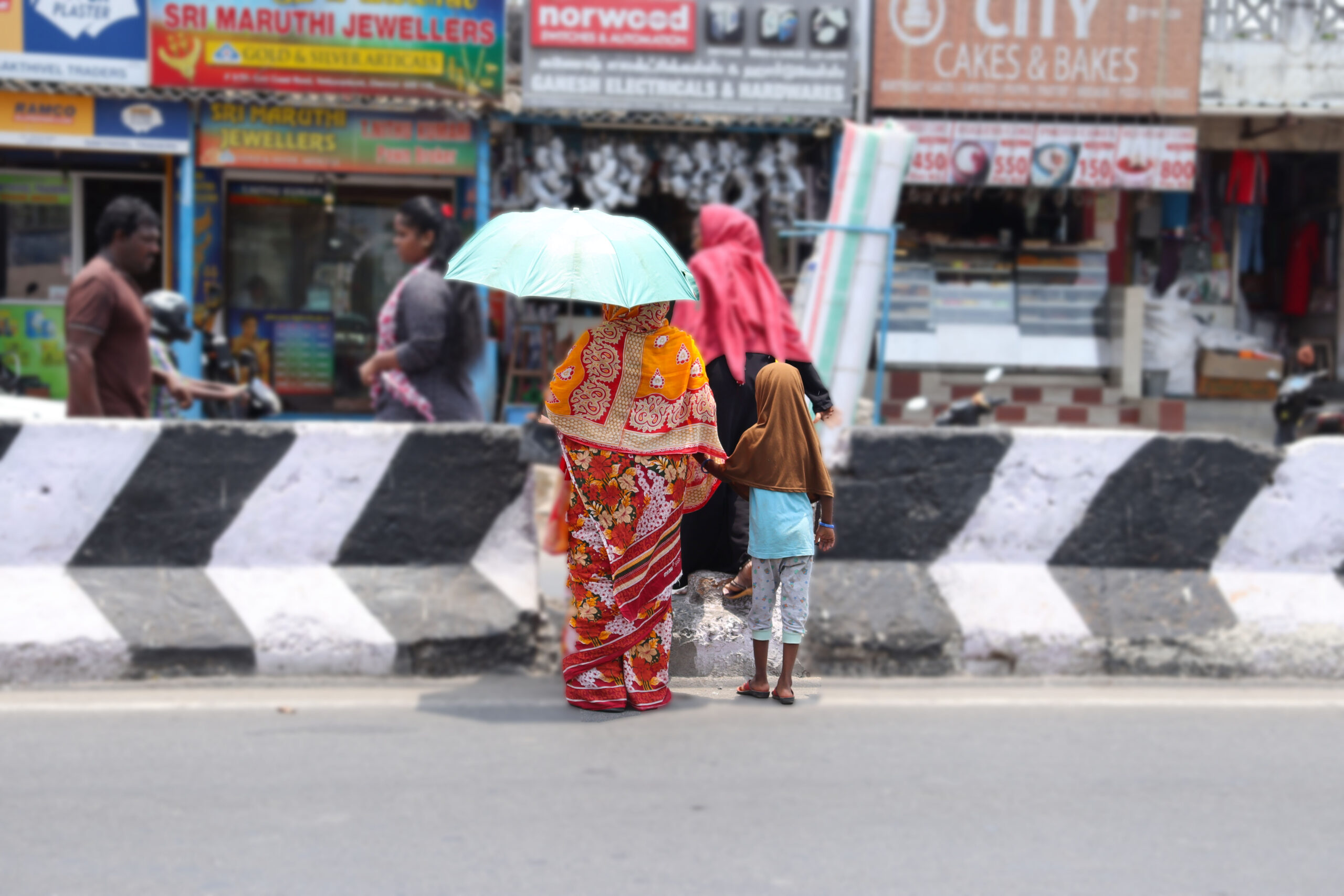
An intensifying Chennai heatwave is expected to push temperatures higher across suburban areas in the coming days, raising concerns over urban livability, infrastructure stress, and public health risks.
Forecasts indicate a steady rise in mercury levels from midweek, with inland zones likely to experience more severe heat compared to coastal parts of the city.Meteorological experts attribute the emerging Chennai heatwave to a combination of seasonal pre-summer conditions and reduced cloud cover, which allows greater solar radiation to reach the surface. As temperatures climb, suburban regions — often characterised by lower tree cover and rapid construction — are particularly vulnerable to heat accumulation.Urban planners warn that such temperature spikes are amplifying the urban heat island effect, where built-up areas retain more heat than surrounding rural zones.In Chennai’s expanding peripheries, the conversion of open land into residential and commercial developments has reduced natural cooling buffers, intensifying localised heat stress.The implications for public health are significant.Prolonged exposure to high temperatures can increase the risk of heat-related illnesses, particularly among outdoor workers, the elderly, and children. Health experts emphasise the need for awareness campaigns, access to cooling spaces, and adequate hydration to mitigate risks associated with the Chennai heatwave.Infrastructure systems are also under pressure.
Rising temperatures drive higher electricity demand due to increased use of cooling appliances, placing strain on power supply networks. Water demand typically rises in parallel, raising concerns in areas already facing supply constraints. Experts note that without adequate planning, such demand surges can lead to service disruptions.Mobility patterns are affected as well. Extreme heat can discourage walking and cycling, increasing reliance on motorised transport and contributing to higher emissions. This creates a feedback loop where increased energy use further exacerbates urban climate challenges.From an environmental perspective, the Chennai heatwave highlights the urgency of integrating climate-responsive design into urban planning. Measures such as increasing urban green cover, promoting reflective building materials, and enhancing natural ventilation can help reduce heat retention in densely built areas.Real estate developers are gradually incorporating heat-resilient features into new projects, including improved insulation, shaded layouts, and energy-efficient cooling systems. However, retrofitting existing buildings remains a challenge, particularly in older neighbourhoods where infrastructure upgrades are more complex.Policy experts stress the importance of long-term strategies to address rising temperatures. These include expanding green infrastructure, implementing heat action plans, and improving coordination between meteorological agencies and local authorities for timely interventions.
As Chennai continues to grow, the recurring impact of the Chennai heatwave underscores the need for climate-resilient urban development. Balancing expansion with environmental sustainability will be critical to ensuring that the city remains livable in the face of increasingly extreme weather patterns.
Also Read:Chennai Teacher Training Supports Curriculum Reform
