


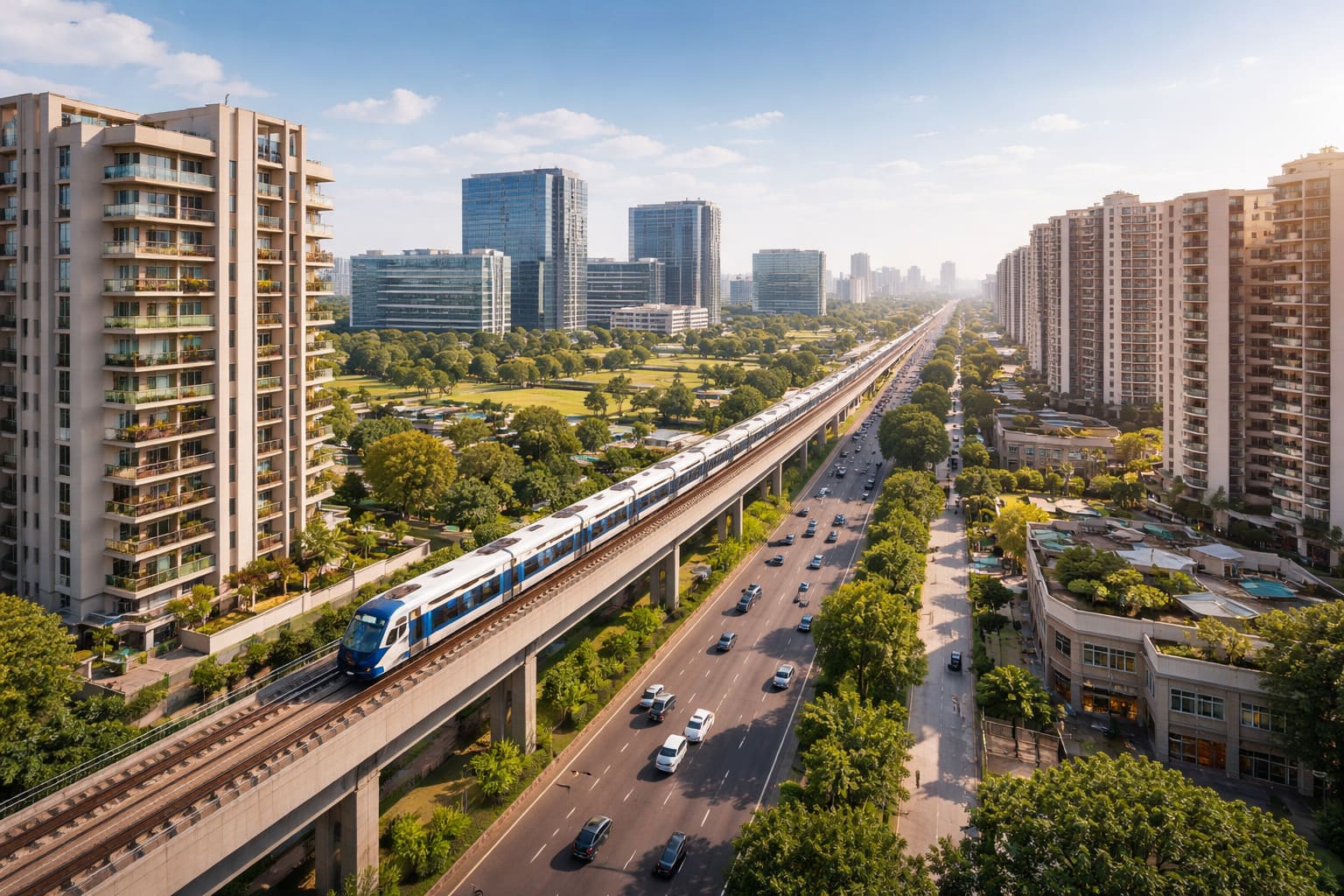
The steady rise of plotted developments is redefining Chennai plot housing, signalling a shift in how the city is expanding beyond its traditional urban core.
As demand grows for individually owned land parcels, new community layouts are emerging across peripheral zones, reshaping both residential patterns and infrastructure priorities.Unlike high-rise apartments, Chennai plot housing offers buyers greater flexibility in construction, design, and long-term asset appreciation. This autonomy is attracting a diverse segment of buyers, including middle-income households and investors seeking lower entry costs and phased development opportunities. The trend reflects a broader preference for low-density living, particularly in the post-pandemic urban context.Urban planners note that the proliferation of plotted layouts is accelerating horizontal expansion.As land parcels are subdivided and sold, previously underdeveloped areas are transitioning into residential clusters. While this supports housing supply, it also places pressure on civic infrastructure, including roads, water supply, sewage systems, and public transport connectivity.The challenge lies in ensuring that Chennai plot housing developments are integrated into formal planning frameworks. Experts highlight that unregulated or poorly planned subdivisions can lead to fragmented urban growth, making it difficult for authorities to provide essential services efficiently. In contrast, well-planned layouts with clear road networks, drainage systems, and public amenities can contribute positively to organised city expansion.
Another key dimension is affordability. Plotted developments often present a more accessible entry point into property ownership compared to fully built homes. However, the absence of immediate infrastructure in some peripheral areas can increase long-term costs for residents, who may need to invest in basic services independently.Environmental considerations are becoming increasingly relevant in this context. The conversion of open land into residential plots can impact local ecosystems, reduce natural drainage capacity, and increase vulnerability to flooding — a recurring concern in Chennai.Urban development experts stress the importance of incorporating green buffers, water-sensitive design, and sustainable land-use practices into new layouts.From a real estate perspective, Chennai plot housing is emerging as a significant growth segment. Developers are actively marketing plotted communities with basic infrastructure provisions, gated access, and shared amenities to attract buyers seeking both security and flexibility. This hybrid model blends elements of traditional land ownership with modern residential planning.Connectivity remains a critical factor influencing the success of these developments. Proximity to arterial roads, public transport corridors, and employment hubs determines both livability and long-term value. As a result, infrastructure investments in outer zones are playing a crucial role in shaping buyer preferences and development patterns.Socially, plotted communities are fostering new forms of neighbourhood interaction.
As residents gradually build and occupy these spaces, they contribute to the organic formation of local communities, often supported by resident associations and shared initiatives.Looking ahead, the expansion of Chennai plot housing will require careful alignment between market demand and urban governance. Ensuring that growth is planned, serviced, and environmentally sustainable will be essential to avoid the pitfalls of unstructured urban sprawl while meeting the city’s evolving housing needs.
Also Read:Chennai Tirupati Drive Improves Regional Connectivity Efficiency
