


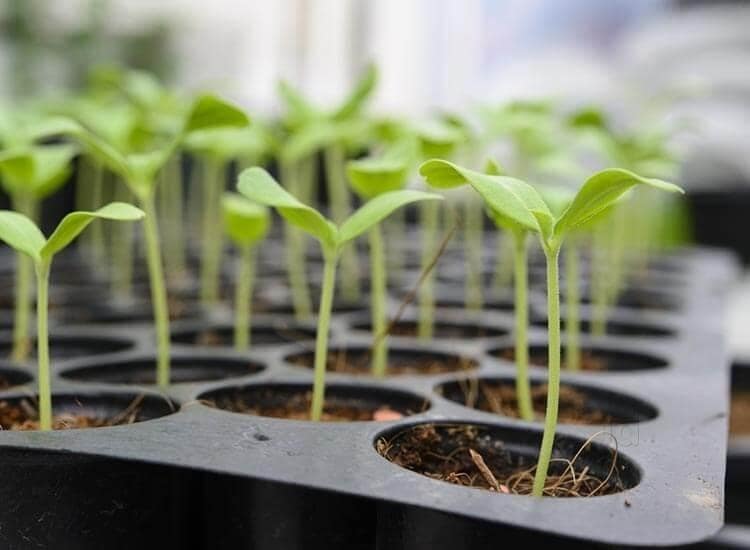
A grassroots push towards Kolkata home nurseries is gaining momentum in the city’s New Town district, signalling a shift in how urban residents are engaging with sustainability at the household level.
Community-led efforts to encourage residents to cultivate plants within their homes are emerging as a low-cost, scalable approach to improving urban green cover and climate resilience.The initiative reflects a broader transformation in urban environmental behaviour, where citizens are moving beyond passive consumption of green spaces to actively participating in their creation. In high-density developments such as New Town, where land availability for large parks is limited, home-based nurseries offer an alternative model for decentralised greening.Urban planners suggest that Kolkata home nurseries can play a meaningful role in mitigating the urban heat island effect, improving air quality, and enhancing biodiversity at the micro level. Even small-scale interventions — such as balcony gardens, terrace plantations, and indoor greenery — contribute cumulatively to environmental performance when adopted across communities.The economic dimension is equally significant. The rise of home nurseries is creating demand for local plant suppliers, gardening equipment, and maintenance services, fostering micro-enterprises within neighbourhoods. Experts note that this hyperlocal green economy can generate livelihood opportunities while reducing dependency on large-scale commercial supply chains.Importantly, the initiative is also reshaping social dynamics within residential complexes.
Community groups, resident welfare associations, and informal networks are increasingly collaborating to exchange plants, share knowledge, and organise small-scale green drives. Such interactions strengthen social cohesion while embedding sustainability into everyday urban life.However, scaling Kolkata home nurseries across the city will require structural support.Access to quality soil, water management systems, and guidance on plant selection remain key challenges, particularly for first-time participants. Environmental specialists emphasise the need for institutional backing, including awareness programmes, technical training, and integration with municipal sustainability frameworks.Water usage is another critical consideration. While home gardening promotes greenery, inefficient irrigation practices could strain already stressed urban water systems.Experts recommend the adoption of water-efficient techniques such as drip irrigation, rainwater harvesting, and reuse of greywater to ensure that environmental gains are not offset by resource pressures.From a real estate and urban design perspective, the growing interest in home nurseries is influencing housing preferences.Developers are increasingly incorporating features such as larger balconies, terrace access, and shared green zones to cater to environmentally conscious buyers. This shift indicates a gradual alignment between market demand and sustainable design principles.
As cities confront the dual challenges of climate change and rapid urbanisation, decentralised solutions like Kolkata home nurseries offer a practical pathway towards greener, more resilient neighbourhoods. The long-term success of such initiatives will depend on their ability to integrate with formal planning systems while remaining accessible and community-driven.
Also Read:Kolkata Comic Con Drives Urban Creative Economy
