


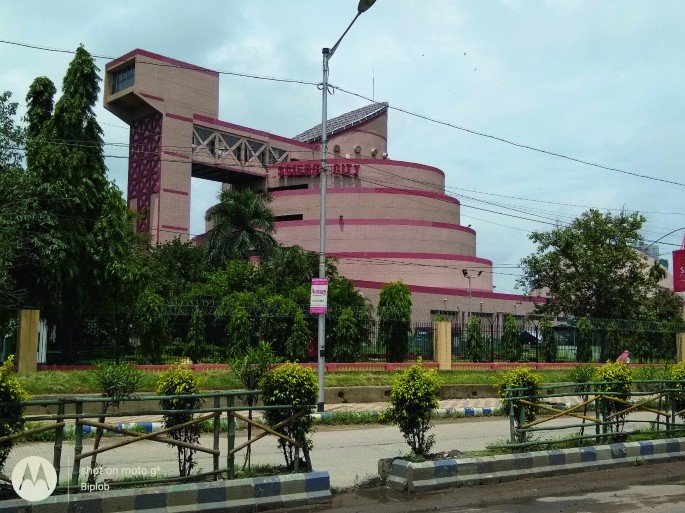
A renewed public focus on Kolkata cultural spaces is drawing attention to how the city’s iconic venues continue to shape its civic identity, social cohesion, and urban experience.
From large stadiums to neighbourhood festival hubs, these spaces are emerging as critical assets in sustaining cultural continuity while supporting the city’s evolving urban fabric.Urban planners note that Kolkata’s long-standing cultural infrastructure — including major sports venues and community-driven public grounds — plays a dual role. Beyond hosting events, these sites act as inclusive gathering points that cut across economic and social divides. In a dense metropolitan environment, such multi-functional spaces are increasingly vital for ensuring equitable access to recreation, culture, and collective expression.Experts point out that Kolkata cultural spaces are uniquely embedded within residential and mixed-use neighbourhoods, unlike in many newer cities where large venues are often pushed to the periphery. This proximity strengthens footfall, reduces transport dependency, and enhances the everyday usability of these locations. It also supports small-scale local economies, from informal vendors to event-based employment opportunities.At the same time, the integration of cultural landmarks into the city’s urban planning framework raises important questions about maintenance, accessibility, and sustainability.Ageing infrastructure in several public venues has prompted calls for upgrades that prioritise energy efficiency, climate resilience, and safety compliance.
Urban development specialists suggest that retrofitting existing structures with green building practices could extend their lifecycle while aligning with broader low-carbon goals.Another emerging dimension is the role of seasonal and event-based transformations of public spaces. Temporary installations, festival lighting, and large-scale gatherings often reshape neighbourhood dynamics, affecting mobility patterns, waste management systems, and local resource consumption. While these events reinforce Kolkata’s cultural vibrancy, they also highlight the need for better urban governance mechanisms to manage peak-time pressures.From a real estate perspective, proximity to well-known cultural and recreational landmarks continues to influence property values and neighbourhood desirability.Developers and city planners increasingly recognise that cultural infrastructure is not merely ornamental but contributes directly to urban liveability and long-term economic resilience.Importantly, the inclusive nature of these spaces — where diverse communities participate in shared experiences — aligns with broader goals of gender-neutral and people-first urban development. Safe, well-maintained, and accessible public environments can significantly enhance participation across age groups and demographics.
As Kolkata continues to expand and modernise, the preservation and adaptive reuse of its cultural infrastructure will remain central to balancing growth with heritage. The future of Kolkata cultural spaces will depend on how effectively the city integrates sustainability, accessibility, and economic viability into their ongoing evolution — ensuring they remain relevant in a rapidly changing urban landscape.
Also Read:Bengaluru Metro Network Expansion Drives Urban Mobility
Kolkata Public Spaces Through Cultural Memory Lens
