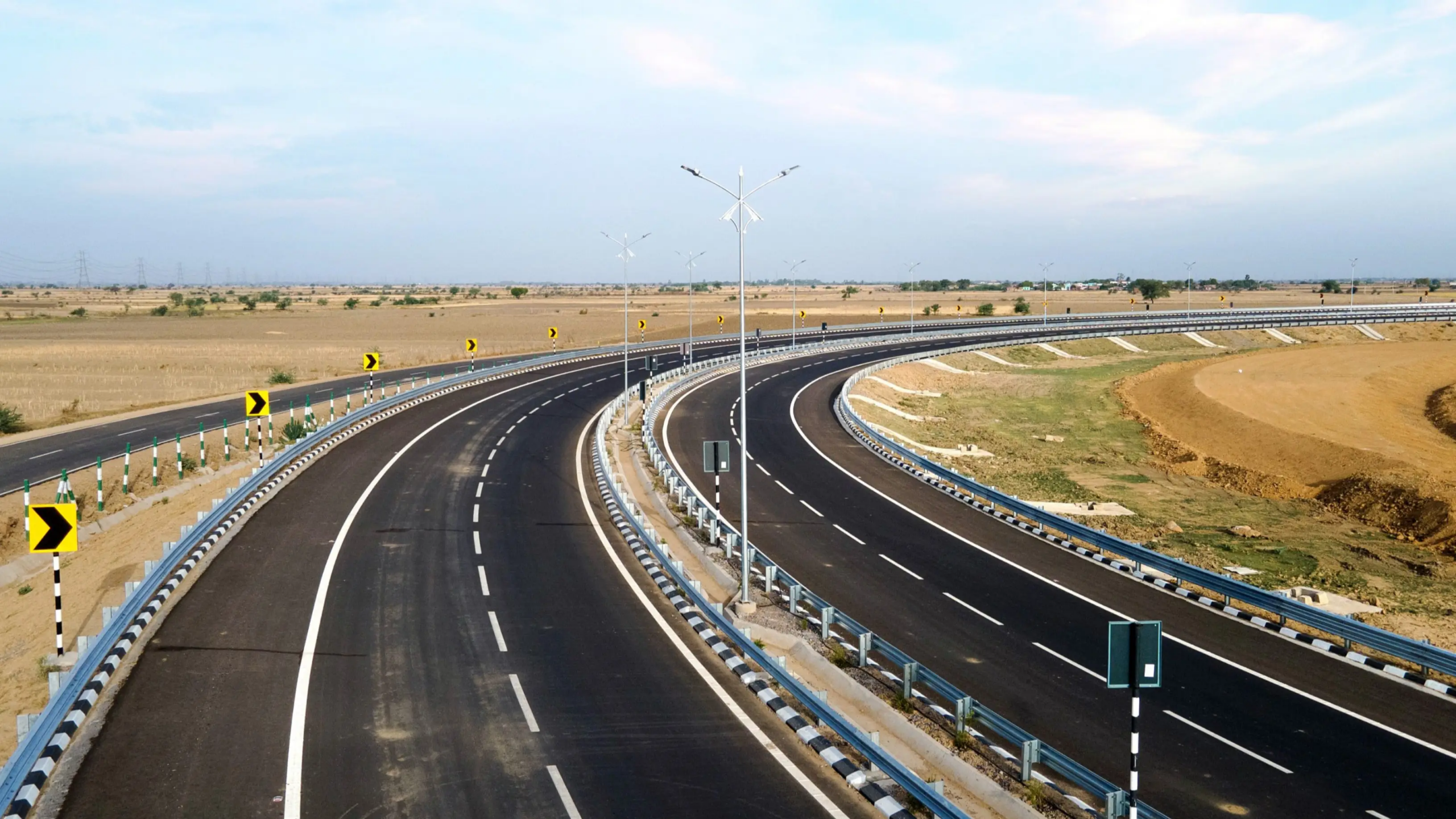
Gurugram Delhi Signal Free Corridor For Faster Travel
Authorities are preparing a major mobility overhaul across key National Capital Region corridors, with plans to create a signal free corridor between Delhi and Gurugram aimed at sharply reducing commuting times and easing chronic congestion on one of the country’s busiest urban routes. Officials overseeing the initiative say the programme will involve large-scale redesign of several intersections and highway segments linking south Delhi with Gurugram’s commercial districts. The project focuses on eliminating traffic signals and replacing them with grade-separated infrastructure such as flyovers, underpasses and multi-level interchanges to ensure uninterrupted traffic movement.
Transport planners estimate that once completed, the signal free corridor could significantly shorten travel time along the Mehrauli–Gurugram Road and other key connectors. Commuters currently navigating these stretches during peak hours often spend up to an hour travelling between the two cities. With redesigned junctions and smoother traffic flow, authorities expect the commute to fall dramatically. Among the critical nodes identified for upgrades are major intersections that currently experience heavy congestion due to merging traffic from highways, urban arterial roads and local access routes. Infrastructure improvements at these junctions are intended to remove traffic bottlenecks while improving safety for motorists and public transport vehicles. In Gurugram, one of the busiest urban corridors — the MG Road stretch connecting the Delhi border with central business districts — is also set to undergo redevelopment. National highway authorities are expected to take charge of the corridor and transform it into a model urban roadway equipped with advanced interchanges and improved traffic management systems.
Urban mobility experts say such projects are becoming increasingly necessary as the Delhi–Gurugram corridor continues to witness rapid economic growth. Over the past two decades, Gurugram has evolved into a major employment hub, attracting thousands of daily commuters from Delhi and neighbouring districts. However, infrastructure expansion has struggled to keep pace with the surge in traffic volumes. The proposed signal free corridor is therefore being viewed as part of a broader strategy to modernise NCR mobility infrastructure while supporting economic integration between the two cities. Improved connectivity could strengthen links between residential areas in Gurugram and employment clusters in Delhi, potentially reshaping commuting patterns and housing demand across the region. Urban planners caution, however, that long-term sustainability will depend on balancing road infrastructure with investments in public transport. Expanding metro networks, regional rail systems and electric bus services will remain essential to prevent future congestion as population and economic activity continue to rise.
Authorities say the road upgrades are expected to be implemented alongside other regional transport initiatives, including transit expansions and multimodal hubs. If executed as planned, the improvements could mark a significant step towards creating a faster and more integrated urban transport network across the National Capital Region.