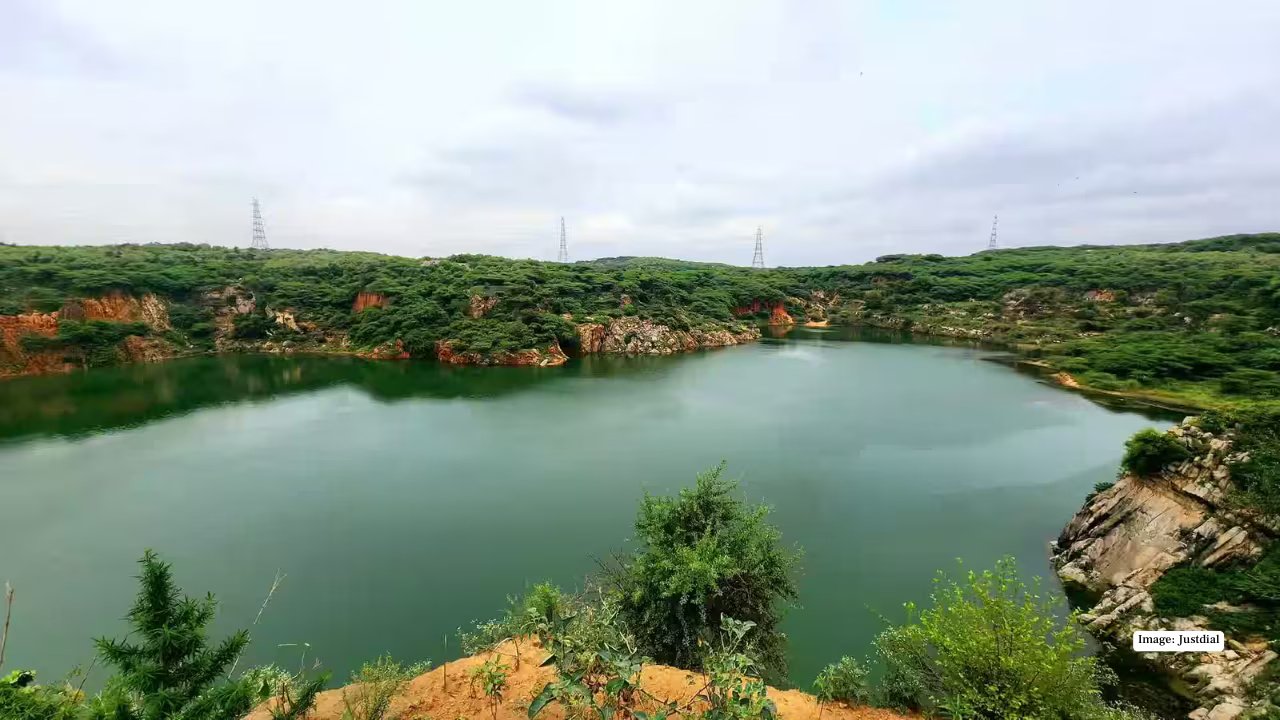
Authorities in the national capital have initiated steps to secure international wetland recognition for Neeli Jheel Ramsar Site within the Asola Bhatti landscape, following a biodiversity assessment that documented an extensive range of bird species in the area. The findings have strengthened the case for nominating the lake as a wetland of global ecological importance under the international Ramsar Convention framework. Environmental officials involved in the survey said the wetland supports a significant concentration of avian biodiversity, with at least 250 species recorded around the water body, including nearly 60 species that depend directly on aquatic habitats. The discovery of threatened and migratory species during the assessment has reinforced the ecological significance of the site.
The study, conducted earlier this year with technical support from wetland conservation experts, evaluated flora and fauna around the lake and examined whether the ecosystem meets the criteria required for international recognition. Under the Ramsar Convention guidelines, wetlands must demonstrate ecological, biological or hydrological importance to qualify for designation. Preliminary findings indicate that the proposed Neeli Jheel Ramsar Site could meet criteria related to biodiversity conservation and the presence of threatened species. Observations during the assessment included several bird species considered vulnerable or endangered globally, underscoring the ecological sensitivity of the wetland environment. Urban ecologists say such habitats play an important role in maintaining ecological balance within rapidly expanding metropolitan regions. Wetlands help regulate local climate conditions, support groundwater recharge and provide refuge for migratory wildlife, while also acting as natural buffers against flooding and environmental degradation. One distinctive aspect of the lake is its geographical spread across two administrative regions. A majority of the wetland area lies across the state boundary in neighbouring Haryana, requiring coordination between the two state governments for the nomination process.
Officials from both sides are currently engaged in discussions to prepare a joint ecological report that can be submitted to national authorities for consideration. Experts note that transboundary wetlands often require collaborative governance frameworks to ensure conservation outcomes are effective across the entire ecosystem. “When wetlands cross state boundaries, coordinated management becomes essential for long-term protection,” said an environmental policy specialist familiar with the process. The push for Ramsar recognition also comes amid broader efforts to restore water bodies across the capital region. Urban development and land-use pressures have historically reduced the number of functioning lakes and wetlands in Delhi, with many water bodies either encroached upon or severely degraded. Authorities have begun restoration initiatives to revive several lakes and ponds through desilting, ecological rehabilitation and improved protection measures.
Environmental planners believe the recognition of the Neeli Jheel Ramsar Site could bring additional focus to wetland conservation while strengthening the city’s climate resilience strategy. If the proposal moves forward successfully, the wetland could become the first internationally recognised Ramsar site associated with the national capital, highlighting the role of urban ecosystems in biodiversity conservation.