Delhi has unveiled a comprehensive roadmap to accelerate the adoption of clean mobility through a proposed regulatory framework designed to reshape the capital’s transport ecosystem by the end of the decade. The Delhi Electric Vehicle Policy outlines incentives, regulatory mandates and infrastructure expansion aimed at reducing vehicular emissions while strengthening the city’s transition toward sustainable transport. The draft framework proposes significant fiscal incentives to accelerate adoption. Electric vehicles priced below ₹30 lakh would receive full exemptions from road tax and registration charges during the policy period. Officials involved in the policy formulation say the measure is intended to make zero-emission vehicles more accessible to households and businesses while encouraging wider market adoption.
Beyond financial incentives, the Delhi Electric Vehicle Policy introduces structural changes in the city’s vehicle registration rules. Under the proposal, new registrations of three-wheelers would be limited to electric models beginning in 2027. Two-wheelers would follow a similar transition a year later, allowing only electric versions to be newly registered from 2028 onwards. Urban mobility analysts say such timelines represent one of the most assertive electrification targets among Indian metropolitan regions. By combining mandates with subsidies, policymakers are attempting to accelerate the shift away from petrol and diesel vehicles while maintaining affordability for consumers. The policy also proposes restrictions on internal combustion engine vehicles within the fast-growing delivery sector. Companies operating last-mile logistics fleets would not be permitted to introduce new petrol or diesel vehicles into their operations, signalling a shift toward cleaner urban freight systems. Industry observers note that delivery fleets contribute substantially to daily traffic volumes and emissions in dense urban corridors.
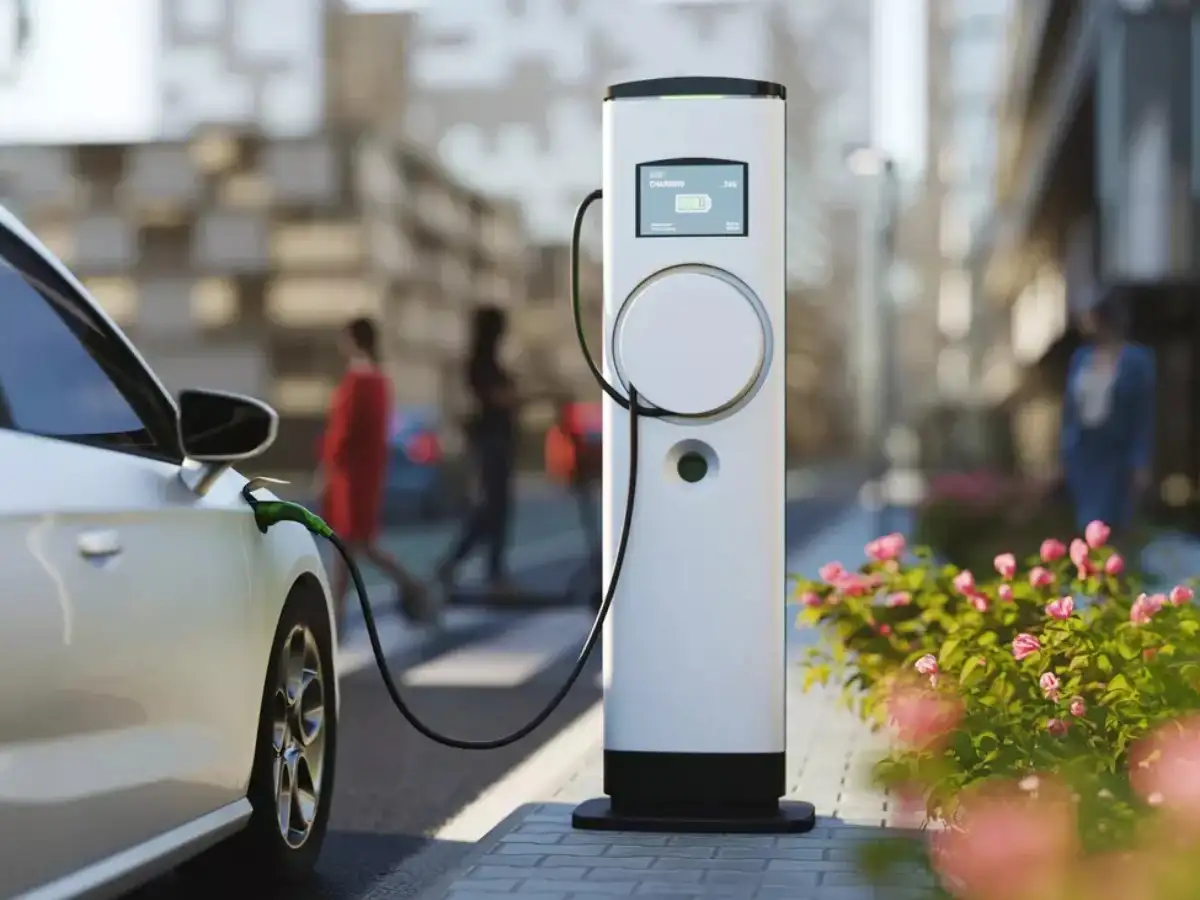
Public transport and institutional fleets also form a major part of the strategy. New buses added to government transport networks are expected to operate on electric power, aligning with broader efforts to modernise city mobility while lowering operating emissions. Educational institutions would also be required to gradually electrify their bus fleets, with the policy targeting a 30 per cent transition in school transport vehicles by the end of the decade. Infrastructure development remains a critical component of the transition. Power utilities responsible for the capital’s electricity transmission network are expected to coordinate the deployment of public charging infrastructure. Authorities are also planning to introduce a single-window approval system to streamline permissions for charging stations and battery-swapping facilities. Urban planning experts say the success of the Delhi Electric Vehicle Policy will depend on synchronising regulatory targets with charging infrastructure expansion and grid readiness. “Transport electrification must be supported by reliable power networks, accessible charging points and long-term market confidence,” said a senior mobility researcher studying India’s EV transition.
The draft policy is currently open for public feedback before final adoption. If implemented as proposed, the framework could play a pivotal role in reducing pollution from road transport while advancing the capital’s ambition of building a cleaner, climate-resilient urban mobility system.