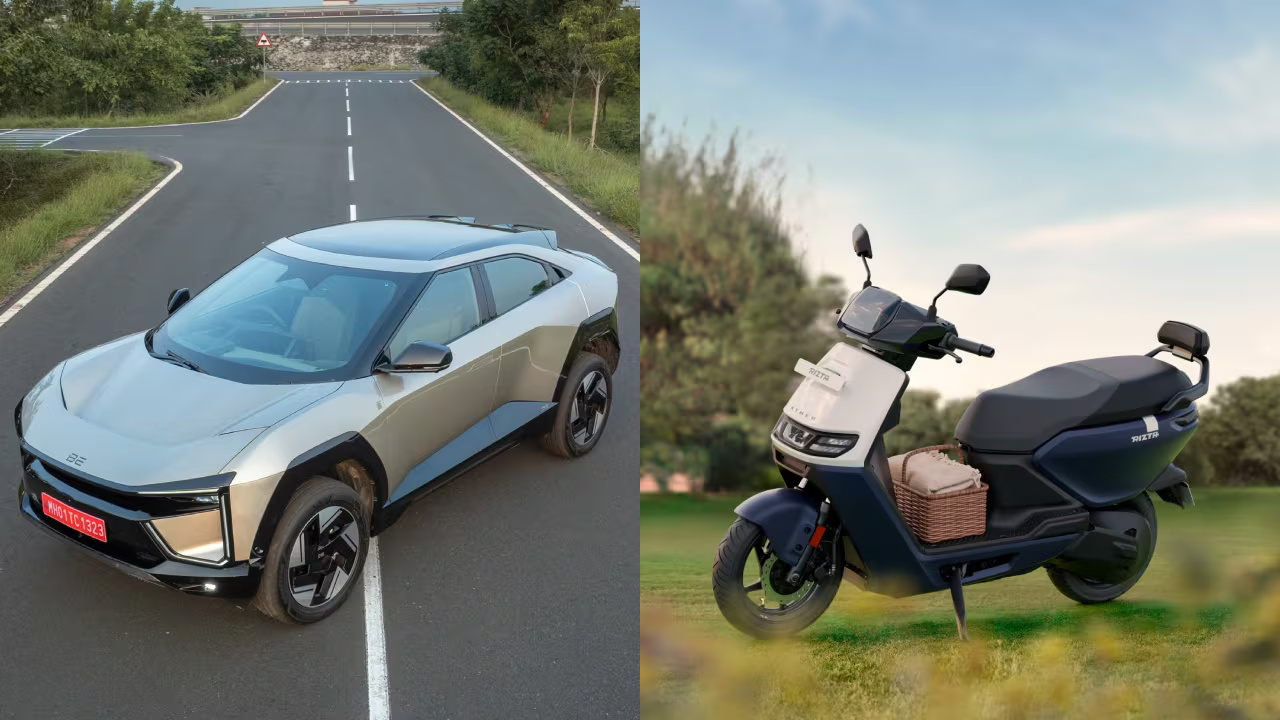
Delhi EV Policy 2026 Pushes Two Wheeler Electrification
The national capital has unveiled an ambitious roadmap to accelerate electric mobility, placing a new draft policy in the public domain that outlines financial incentives, regulatory mandates, and infrastructure investments aimed at transforming the city’s transport ecosystem. The proposed Delhi EV Policy 2026 sets out a phased transition toward cleaner mobility over the next several years, with a focus on reducing vehicular emissions—one of the major contributors to air pollution in the capital. Authorities have invited public feedback on the draft framework for a 30-day consultation period before finalising the policy.
Urban mobility specialists say the Delhi EV Policy 2026 represents a critical step in aligning the city’s transport planning with climate and public health goals. The draft outlines a shift away from conventional internal combustion engine vehicles by introducing mandatory electrification targets for certain vehicle categories. New registrations of three-wheelers are expected to transition to electric models by 2027, while new two-wheelers will gradually move toward electrification from 2028. To accelerate adoption, the policy proposes a combination of fiscal incentives and regulatory measures. Financial support will be extended through purchase subsidies, scrappage incentives for older vehicles, and exemptions from road tax and registration fees for electric vehicles registered during the policy period. Authorities have earmarked several thousand crore rupees to fund these initiatives, signalling a large-scale policy push to encourage consumers and businesses to shift towards cleaner mobility options. Experts note that electrifying smaller vehicles such as two-wheelers and three-wheelers can deliver rapid environmental benefits. These categories account for a significant share of daily trips in Indian cities and contribute substantially to urban emissions. Transitioning them to electric power could therefore reduce pollution levels while lowering operating costs for users.
Beyond private mobility, the Delhi EV Policy 2026 also targets fleet operations and public transport. Aggregator platforms and delivery service providers will face restrictions on inducting petrol or diesel vehicles into their fleets after notified timelines. Government departments are also expected to prioritise electric vehicles for official transport requirements. The draft framework additionally proposes the gradual electrification of school bus fleets, setting conversion targets over the coming years. Public transport authorities are expected to induct electric buses for interstate services and city operations, strengthening the shift toward zero-emission mobility across multiple transport modes. Infrastructure expansion forms another central pillar of the policy. A dedicated agency has been tasked with planning and deploying charging and battery-swapping networks across the city. Land-owning agencies will identify sites for charging stations, while vehicle dealerships will be encouraged to install public charging facilities aligned with national guidelines.
The policy also addresses the environmental lifecycle of electric vehicles by proposing systems for battery collection, reuse, and recycling. Regulatory mechanisms under extended producer responsibility frameworks aim to ensure safe handling and disposal of used batteries. Urban planners say the success of the Delhi EV Policy 2026 will depend on coordinated implementation across multiple agencies and sustained investment in charging infrastructure. If executed effectively, the framework could help the capital transition towards a cleaner, more resilient transport system while supporting India’s broader climate commitments.