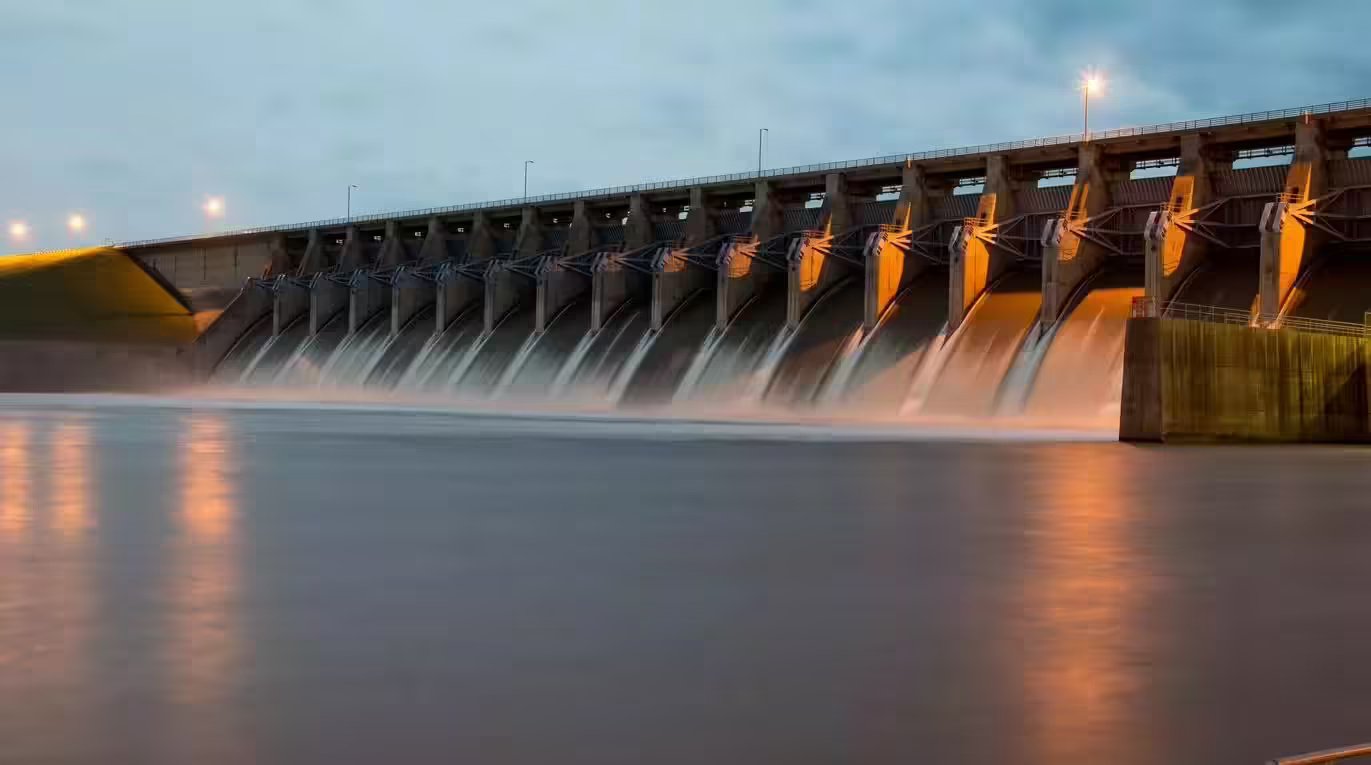
India NTPC Hydro Power Capacity Boosts Energy Supply
India’s largest power producer has added fresh generation capability to its portfolio after bringing a hydroelectric unit under one of its key subsidiaries into full commercial operation, marking another step in the country’s ongoing transition towards diversified and lower-carbon electricity generation. The commissioning of the unit under the subsidiary focused on hydroelectric development means the facility has officially entered revenue-generating operations following successful testing and regulatory clearances. The move strengthens the NTPC Hydro Power Capacity pipeline and adds incremental electricity supply to the national grid at a time when India is rapidly expanding both renewable and flexible power resources.
Hydropower remains a critical component of the country’s evolving energy mix. Unlike solar or wind generation, which fluctuates with weather patterns, hydroelectric plants can provide dispatchable electricity that supports grid stability. Energy experts note that strengthening NTPC Hydro Power Capacity will help balance intermittent renewable power and maintain reliable electricity supply for rapidly urbanising regions. India’s electricity demand has been rising steadily due to expanding infrastructure, urban housing, industrial activity and digital services. Meeting this demand while lowering emissions has become a central objective of national energy policy. Hydropower projects, particularly those developed by public sector utilities, are increasingly viewed as strategic assets that support long-term grid resilience. Industry analysts say that commissioning milestones such as the commercial operation of a hydroelectric unit represent a decisive phase in the lifecycle of large power projects. After construction and testing are completed, commercial operations enable plants to begin supplying electricity under power purchase agreements, contributing to both national supply and the utility’s revenue stream.
The development also highlights the growing role of specialised subsidiaries within the country’s public energy companies. Through its hydro-focused arm, the power utility has been steadily building projects across mountainous regions where river systems provide viable hydroelectric potential. These developments complement the company’s broader energy diversification strategy, which includes solar parks, wind projects and emerging green hydrogen initiatives. For cities and infrastructure corridors across India, the expansion of NTPC Hydro Power Capacity carries wider implications. Reliable electricity supply underpins metro rail systems, water treatment plants, digital infrastructure, and real estate development. As urban populations grow, power infrastructure must evolve alongside housing and transport networks to support sustainable economic growth. Urban sustainability specialists also emphasise that hydropower—when developed with environmental safeguards—can support low-carbon energy systems while reducing reliance on coal-fired generation. However, they caution that ecological considerations such as river biodiversity, sediment flows, and local community impacts must remain central to project planning.
The latest commissioning signals steady progress in the country’s energy diversification agenda. As India scales renewable generation capacity, flexible hydroelectric resources are expected to play a vital role in stabilising power supply and enabling cities, industries and households to transition towards a cleaner and more resilient energy future.