Lucknow Urban Governance Sees Fresh Electoral Cycle
A fresh electoral cycle is set to unfold across urban Uttar Pradesh, with the State Election Commission announcing by-elections to fill vacant positions in municipal bodies. Polling is scheduled for May 5, marking a routine yet significant intervention in maintaining continuity within local governance systems.
The bypolls will cover multiple vacancies across municipal corporations, नगर पालिका councils, and नगर पंचायत bodies—institutions that form the backbone of urban administration in the state. These elected bodies are responsible for essential civic functions, including waste management, water supply, roads, and local infrastructure planning, making timely elections critical for uninterrupted service delivery. Urban governance experts view such elections as more than procedural necessities. In rapidly expanding cities like Lucknow, elected representatives play a key role in prioritising infrastructure investments, managing local budgets, and addressing neighbourhood-level concerns. Any delay in filling vacant seats can slow decision-making and weaken accountability at the grassroots level. The upcoming polls also arrive at a time when urban local bodies in Uttar Pradesh are under increasing pressure to deliver on infrastructure and service benchmarks. With growing populations and expanding city limits, municipal systems are expected to manage complex challenges—from solid waste and mobility to climate resilience and housing.
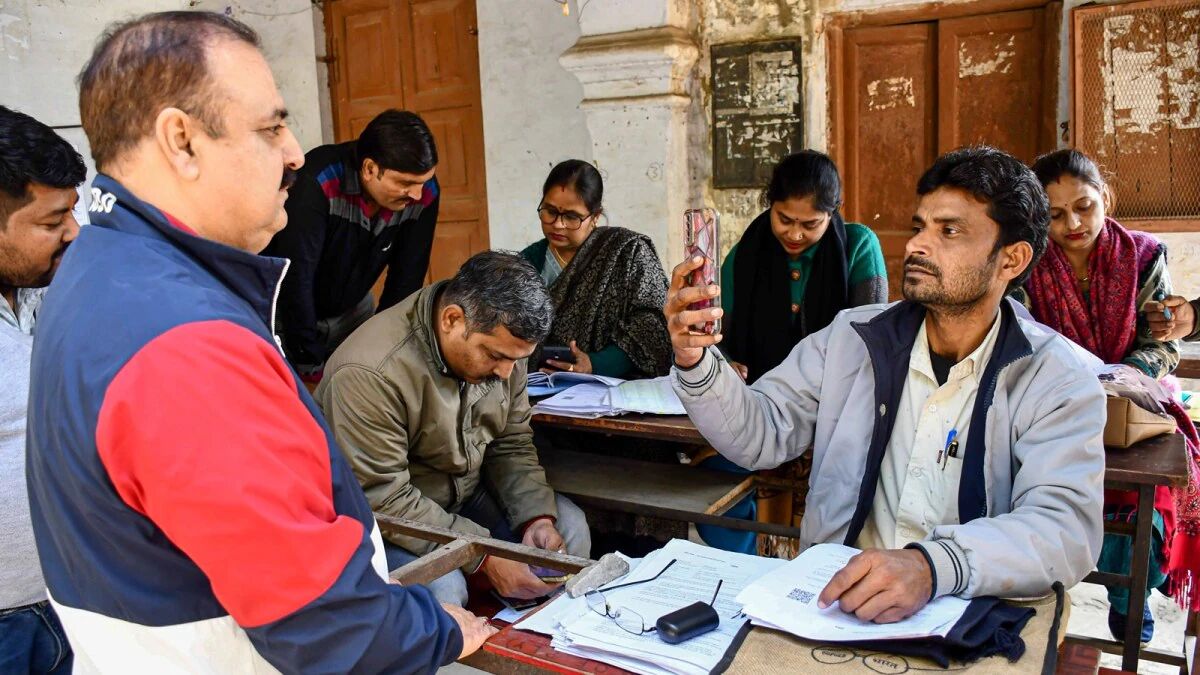
Officials indicate that preparations for the bypolls are underway, with administrative mechanisms being aligned to ensure smooth conduct. This includes updating electoral rolls, finalising polling stations, and deploying personnel for election duties. While the scale of by-elections is smaller compared to general civic polls, their operational complexity remains significant due to the distributed nature of urban constituencies.
From a political economy perspective, the bypolls could also serve as an early indicator of local sentiment ahead of larger electoral cycles. Analysts note that urban local body elections often reflect micro-level governance issues, such as service delivery gaps, infrastructure quality, and citizen engagement—factors that increasingly influence broader political narratives.
For cities, the implications are immediate. Functional local bodies are essential for executing development projects, implementing central and state schemes, and managing urban finances. In their absence, administrative authority often shifts to appointed officials, which can affect responsiveness and citizen participation.
The timing of the May 5 polling also coincides with a broader phase of electoral activity in the state, including preparations for rural and regional governance cycles. Together, these processes highlight the scale and complexity of decentralised governance in India, where multiple layers of elections shape how cities and regions are managed.
As the polling date approaches, the focus will be on ensuring high voter participation and transparent conduct. For urban residents, these bypolls represent an opportunity to influence local decision-making and reinforce the accountability of civic institutions. In the long run, strengthening electoral processes at the municipal level remains central to building resilient, inclusive, and efficiently governed cities—where local leadership directly shapes the quality of urban life.