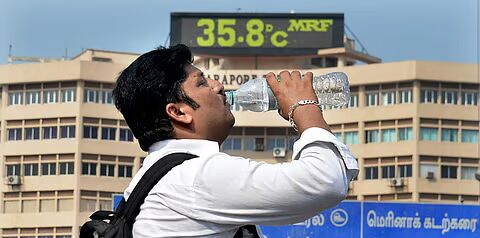
A steady rise in temperatures across North India is reinforcing early summer conditions, with major cities such as New Delhi, Chandigarh and Amritsar experiencing warm, dry weather and increasing daytime heat. The trend reflects a seasonal shift that is expected to intensify through April, with implications for urban infrastructure, energy demand, and public health.
City-wise forecasts indicate that daytime temperatures are hovering in the mid-to-high 30s across the region, with some locations expected to approach or exceed 38–40°C in the coming days. In Delhi, average April temperatures typically range between 34°C and 39°C, with peak heat intensifying toward the end of the month. Meanwhile, cities like Amritsar are recording daytime highs around 34°C, reflecting similar warming trends across the northern plains. The current North India weather today pattern is characterised by clear skies, low rainfall probability, and strong solar radiation. Meteorological assessments suggest that April remains largely dry, with minimal precipitation and high UV exposure, contributing to rapid temperature escalation. Urban planners note that such conditions place immediate pressure on city systems. Rising heat drives increased electricity consumption due to cooling demand, often testing grid capacity in densely populated cities. Water demand also rises sharply, particularly in areas already facing supply constraints, highlighting the need for efficient urban resource management.
Transport and construction sectors are also affected. High temperatures can impact road quality, reduce labour productivity, and slow project execution timelines. In cities undergoing rapid infrastructure expansion, this can translate into cost escalations and scheduling delays. From a public health perspective, prolonged exposure to heat and dry conditions raises risks of dehydration, heat exhaustion, and respiratory stress. Vulnerable populations—including outdoor workers, the elderly, and children—are particularly at risk. Experts recommend adaptive measures such as staggered work hours, shaded public spaces, and improved access to drinking water. The North India weather today trend also underscores broader climate patterns. Seasonal transitions are becoming more volatile, with sharper temperature spikes and unpredictable wind patterns increasingly common during pre-monsoon months. This variability is prompting cities to rethink heat mitigation strategies, including urban greening, reflective building materials, and improved ventilation corridors.
While occasional wind activity or isolated weather disturbances may provide short-term relief, forecasts indicate that the overall trajectory remains upward as the region moves toward peak summer. For policymakers, the challenge lies in balancing immediate response measures with long-term climate resilience planning. As North India enters a more intense phase of the summer cycle, the evolving weather conditions serve as a reminder that heat is not just a seasonal inconvenience but a structural urban challenge—one that requires integrated planning across infrastructure, public health, and environmental management systems.