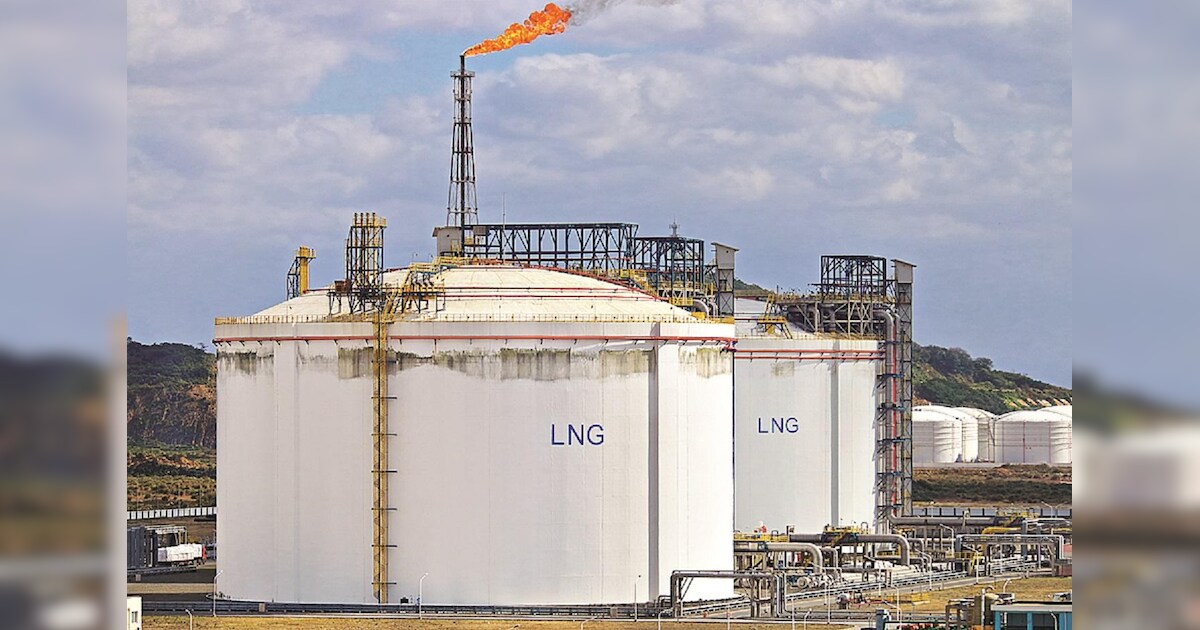
India’s clean fuel transition is gaining momentum as private sector investment accelerates in liquefied natural gas (LNG) infrastructure, even as global energy markets face disruption due to geopolitical tensions in West Asia. A ₹900 crore expansion plan by Ultra Gas and Energy Limited signals a strategic shift towards strengthening domestic fuel networks to mitigate supply risks and support low-emission mobility.
The company plans to establish up to 100 LNG fuelling stations across India over the next few years, with a phased rollout already underway. These stations are designed as multi-fuel hubs, capable of integrating hydrogen and electric charging infrastructure alongside LNG, reflecting a broader transition towards diversified, future-ready energy systems. The timing of this investment is significant. The ongoing West Asia crisis 2026 has disrupted global LNG supply chains, with some suppliers reportedly reducing commitments by up to 20%. The crisis, exacerbated by disruptions in key transit routes such as the Strait of Hormuz, has led to price volatility and supply uncertainty across global markets. Against this backdrop, India’s LNG infrastructure expansion is being viewed as a resilience strategy. Energy analysts note that strengthening downstream distribution networks—such as fuelling stations and logistics corridors—can help stabilise domestic supply chains, even when upstream imports face volatility.
The LNG expansion strategy is also closely tied to India’s decarbonisation goals. Natural gas is widely considered a transitional fuel, offering lower emissions compared to diesel, particularly in long-haul freight transport. Industry estimates suggest that each LNG station can significantly reduce carbon emissions by enabling heavy vehicles to shift away from conventional fuels. Urban and infrastructure planners highlight that the growth of LNG networks has implications beyond energy. Reliable access to cleaner fuels can reshape logistics patterns, reduce air pollution in cities, and support more sustainable freight corridors. As urban centres grapple with rising vehicular emissions, such infrastructure investments are increasingly seen as integral to climate-resilient city planning. However, the expansion is not without challenges. LNG infrastructure requires high capital investment, specialised storage systems, and robust supply chains. In the context of global uncertainty, ensuring consistent fuel availability remains a critical concern. Industry observers emphasise the need for diversified sourcing strategies and stronger public-private coordination to maintain supply stability.
The initiative also aligns with national targets to increase the share of natural gas in India’s energy mix, positioning LNG as a key enabler of cleaner mobility and industrial growth. By building a distributed network of fuelling stations, companies are effectively bridging the gap between policy ambition and on-ground implementation. As geopolitical uncertainties continue to reshape global energy flows, India’s push towards LNG infrastructure reflects a broader shift—from dependency on volatile supply chains to building resilient, diversified, and lower-carbon energy ecosystems. The success of this transition will depend on how effectively infrastructure, policy, and market demand converge in the coming years.