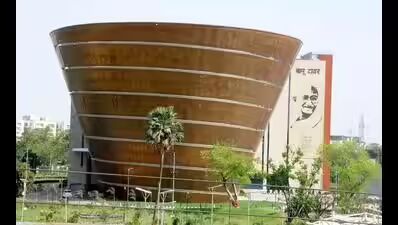
Patna Public Projects Win Vishwakarma Awards Spotlight
Two prominent public infrastructure projects in Patna have secured national recognition at the CIDC Vishwakarma Awards 2026, signalling a shift in how mid-sized Indian cities are approaching civic design, cultural infrastructure, and urban identity. The projects — Bapu Tower and Buddha Smriti Museum — were acknowledged for their engineering quality and contribution to public spaces.
The recognition of these projects comes at a time when cities beyond India’s largest metros are attempting to balance heritage conservation with modern infrastructure delivery. Both developments are rooted in cultural narratives, yet executed with contemporary construction techniques, offering insight into how public architecture is evolving in tier-two urban centres. Urban planners note that such projects are increasingly being assessed not only on structural efficiency but also on their ability to create inclusive civic spaces. The Buddha Smriti Museum, for instance, has emerged as a cultural anchor that integrates tourism, education, and urban landscaping. Its design encourages public interaction while preserving the symbolic significance of the site, contributing to both local economic activity and city branding. Similarly, Bapu Tower reflects a growing emphasis on commemorative infrastructure that also functions as an urban landmark. Beyond its symbolic value, such vertical developments influence surrounding real estate patterns, pedestrian movement, and tourism flows. Experts suggest that well-designed landmark structures can catalyse neighbourhood-level economic uplift, particularly when integrated with transport and public amenities.
The recognition under the CIDC Vishwakarma Awards framework also underscores a broader industry shift towards quality benchmarking in public infrastructure. Construction sector observers point out that awards of this nature increasingly reward projects that demonstrate sustainability, durability, and efficient project management — factors that directly impact lifecycle costs and environmental outcomes. For cities like Patna, these acknowledgements carry implications beyond prestige. They strengthen the case for increased investment in urban infrastructure, particularly projects that align with cultural identity while meeting modern urban demands. As Indian cities grapple with rapid population growth and climate pressures, the ability to create resilient, people-centric public spaces is becoming central to long-term planning. Officials involved in urban development indicate that such recognition could accelerate future proposals in heritage-linked infrastructure and public realm improvements. However, they caution that maintaining these assets and ensuring accessibility will be critical to sustaining their impact.
As infrastructure discourse in India expands beyond roads and transit to include cultural and civic spaces, projects like Bapu Tower and the Buddha Smriti Museum highlight a more holistic approach to city-building — one that blends history, design, and functionality to shape inclusive urban futures.