


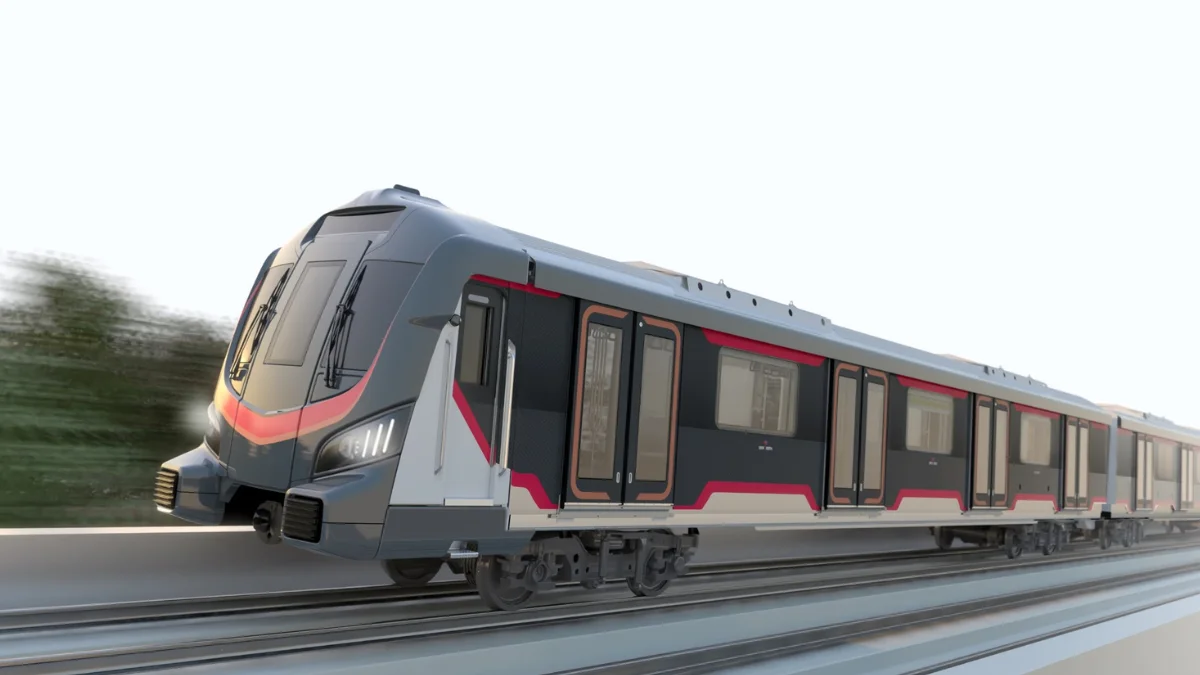
Public transport integration in Nagpur is taking a step forward with the introduction of a feeder bus network designed to improve connectivity between residential areas and metro stations along the Hingna corridor. The newly introduced Nagpur metro feeder bus service aims to strengthen last-mile transport links and encourage greater use of the city’s expanding metro rail system. Transport authorities and civic officials say the feeder buses will operate along Hingna Road, linking neighbourhoods, workplaces, and industrial zones with nearby metro stations. By offering a reliable connection between metro corridors and local destinations, the Nagpur metro feeder bus service is expected to make public transport more convenient for daily commuters.
Urban mobility experts note that last-mile connectivity remains one of the biggest challenges for metro systems across Indian cities. While metro networks provide high-capacity travel along major routes, commuters often face difficulties reaching stations from their homes or workplaces. The Nagpur metro feeder bus service is designed to bridge that gap by offering scheduled bus routes aligned with metro station access points. Such services help distribute passenger movement across local areas and encourage commuters to shift from private vehicles to public transport. Hingna Road has emerged as an important urban corridor in Nagpur, connecting residential neighbourhoods with the city’s industrial zones and educational institutions. The area also serves as a gateway to the Hingna industrial estate, which employs a large workforce travelling daily from different parts of the city. Transport planners say the Nagpur metro feeder bus service will help workers and students reach metro stations more easily, potentially reducing traffic congestion on major roads. Integrated transit systems allow commuters to combine bus and metro travel within a single journey. Urban development specialists highlight that coordinated bus and metro networks can significantly improve urban mobility. When multiple modes of public transport operate together efficiently, cities are better able to manage growing travel demand. The Nagpur metro feeder bus service also reflects a broader strategy of developing multimodal transport systems. Cities increasingly aim to connect metro rail, city buses, shared mobility services, and pedestrian infrastructure to create seamless travel experiences. Environmental planners say encouraging public transport use can also help reduce urban air pollution and carbon emissions. As more commuters shift from private vehicles to buses and metro services, cities can reduce fuel consumption and traffic congestion. Officials involved in the initiative indicated that the new feeder route will be monitored to assess passenger demand and operational efficiency. Adjustments to routes and schedules may be introduced based on commuter patterns.
For Nagpur, which has been steadily expanding its metro network and urban transport infrastructure, the Nagpur metro feeder bus service represents another step toward building a more integrated and sustainable mobility system. If successful, the feeder model could be extended to other parts of the city, helping strengthen connectivity between metro stations and surrounding neighbourhoods while improving accessibility across Nagpur’s growing urban landscape.
ALSO READ – Nagpur Ambazari Road Dug Up Months After Upgrade
Nagpur Metro Feeder Bus Service Launched On Hingna Road
