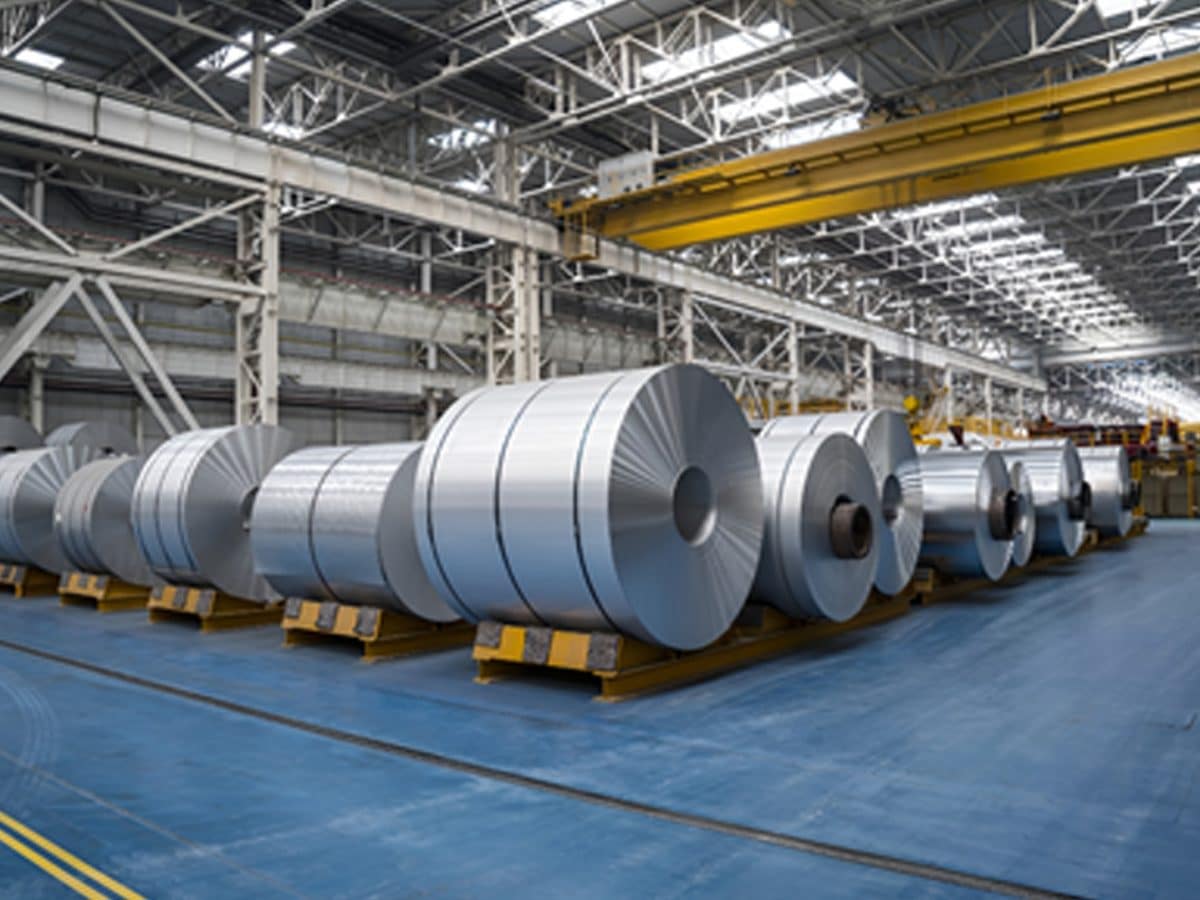
India’s steel producers are preparing to raise hot rolled coil (HRC) prices by up to ₹3,500 per tonne, reflecting mounting cost pressures and a recalibration of pricing strategies across the sector. The proposed increase comes at a time when demand from infrastructure and construction remains steady, but input costs and global market dynamics are reshaping margins.
The India steel coil price hike is being driven by a combination of factors, including rising raw material costs, firming international steel prices, and improved domestic demand. Industry participants indicate that higher costs of key inputs such as iron ore, coking coal, and energy have tightened profitability, prompting producers to adjust prices to maintain financial stability.The India steel coil price hike also aligns with global trends, where steel prices have seen upward movement amid supply constraints and recovering demand in key markets. For Indian producers, export parity remains an important consideration, as pricing decisions are influenced by international benchmarks and trade flows.From an urban development perspective, the price adjustment could have a cascading impact on construction costs. Steel coils are widely used in manufacturing, infrastructure projects, and building components, making them a critical input across the built environment. Any sustained increase in prices may affect project budgets, particularly in large-scale infrastructure and real estate developments.
However, industry experts suggest that the impact on end consumers may be moderated by strong demand fundamentals. Ongoing government investment in infrastructure and continued activity in the housing sector are expected to support consumption, even as prices rise. This resilience indicates that the sector remains structurally strong despite short-term cost fluctuations.The India steel coil price hike also highlights the cyclical nature of the steel industry, where pricing often adjusts in response to shifts in supply-demand balance and input costs. Producers are increasingly adopting flexible pricing strategies to navigate volatility while ensuring continuity of operations.At the same time, the move underscores the importance of efficiency and scale in maintaining competitiveness. Larger producers, with integrated operations and diversified sourcing, are better positioned to manage cost pressures compared to smaller players. This dynamic is contributing to gradual consolidation within the industry, as companies seek to strengthen their market position.Sustainability considerations are also becoming part of the pricing equation. As steelmakers invest in cleaner production technologies and emission reduction measures, additional costs may be incorporated into product pricing over time. This reflects a broader transition towards more sustainable manufacturing practices, even as demand continues to grow.
Looking ahead, the trajectory of steel prices will depend on multiple variables, including global commodity trends, domestic demand, and policy interventions. For India’s infrastructure and real estate sectors, maintaining a balance between cost stability and supply reliability will be critical to ensuring that development timelines and affordability are not adversely impacted.The India steel coil price hike, while driven by immediate cost pressures, ultimately reflects deeper structural shifts in the industry—where global integration, sustainability, and scale are increasingly shaping how steel is produced, priced, and consumed in a rapidly urbanising economy.