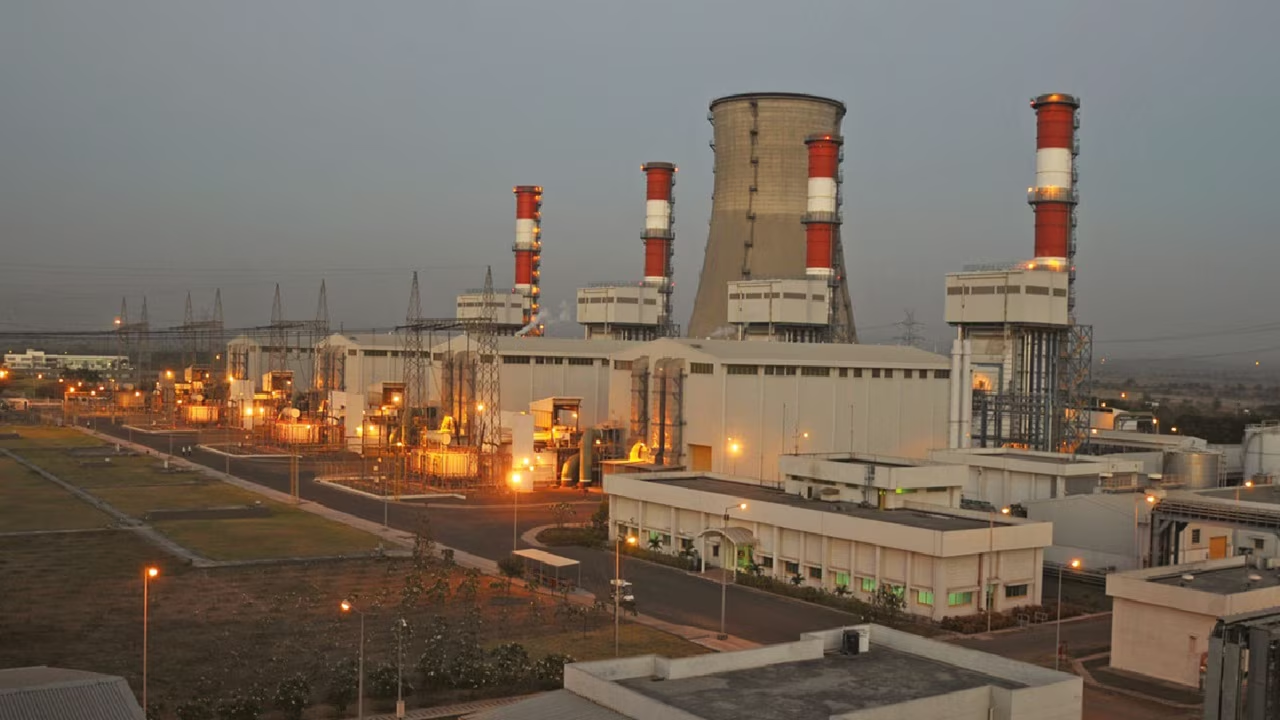
India has deferred scheduled maintenance shutdowns for nearly 10,000 MW of coal-fired power capacity, pushing them to July in a bid to maintain electricity supply during peak summer demand. The move reflects a short-term recalibration of the country’s energy strategy as rising consumption and global fuel disruptions place pressure on power availability.
Typically, thermal power plants undergo routine maintenance during this period to ensure operational efficiency. However, the decision to postpone these shutdowns underscores the urgency of meeting rising electricity demand, particularly as temperatures climb and consumption spikes across residential, commercial, and industrial sectors. A key factor behind the decision is the disruption in gas-based power generation. Around 8,000 MW of gas-fired capacity has been affected due to rising fuel costs linked to geopolitical tensions in West Asia, reducing available supply from an already limited segment of the energy mix. This shortfall has increased reliance on coal-based generation, which continues to account for the majority of India’s electricity output.From an urban development perspective, the implications are immediate. Reliable electricity supply is critical for construction activity, infrastructure projects, and industrial production—all of which intensify during the summer months. By ensuring that coal-fired plants continue operating without interruption, policymakers are effectively safeguarding project timelines and limiting cost escalations linked to power shortages.
The decision also highlights the structural dependence of India’s growth model on coal. Despite rapid expansion in renewable capacity, thermal power remains the backbone of the grid, particularly for meeting peak demand. Officials indicate that deferring maintenance could add approximately 10 GW of additional supply during the critical demand window, helping offset deficits caused by gas shortages. At the same time, the move raises operational considerations. Maintenance shutdowns are essential for ensuring long-term efficiency and safety of power plants. Delaying these cycles could lead to higher wear and tear, potentially increasing maintenance requirements later in the year. Experts note that while the decision is justified in the short term, it reflects the need for a more flexible and resilient energy system.The government has also taken parallel measures to stabilise supply, including maximising output from imported coal-based plants and maintaining adequate coal stockpiles at thermal stations. These interventions are aimed at ensuring that the grid remains stable even as demand approaches seasonal highs.The broader context points to a balancing act between energy security and transition goals. While coal continues to provide reliability, the increasing frequency of such interventions highlights the challenges of managing a diversified energy mix under stress conditions.
Looking ahead, the postponement of maintenance shutdowns illustrates the importance of planning for peak demand scenarios in rapidly urbanising economies. As electricity consumption continues to rise, the focus will need to shift toward building capacity buffers, improving grid flexibility, and accelerating cleaner energy integration—ensuring that short-term measures do not compromise long-term resilience in India’s power infrastructure.