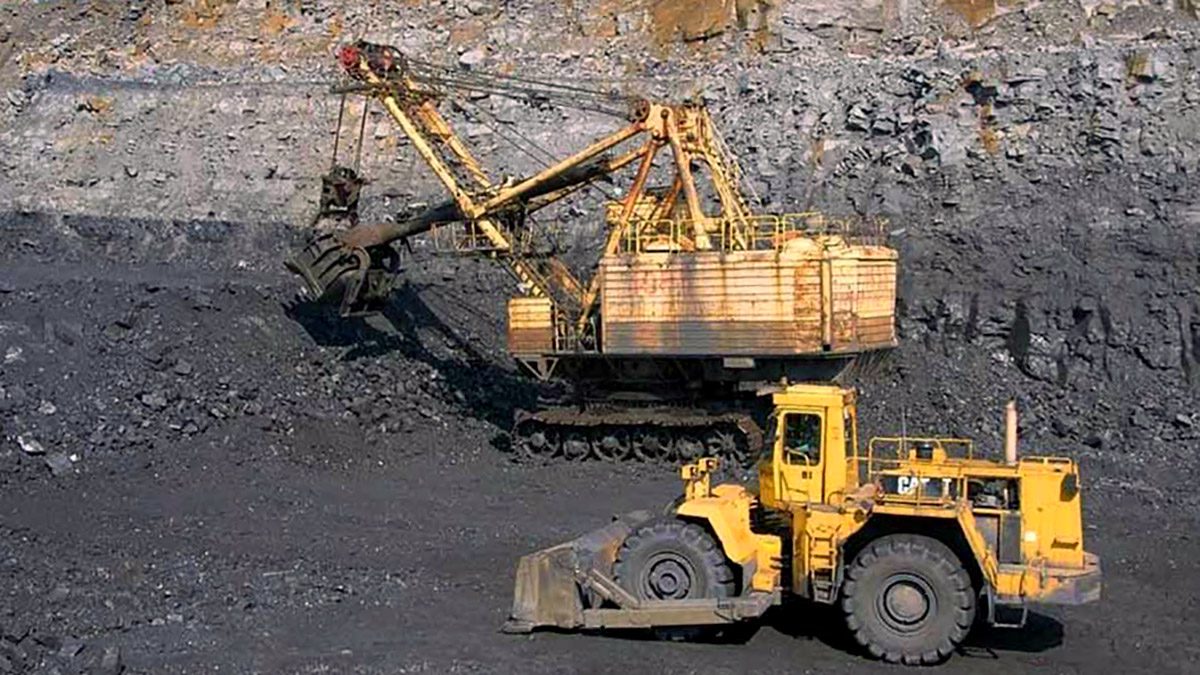
A ₹1,000 crore expansion of a key coal mining project in Ramgarh, Jharkhand, is set to significantly increase domestic coking coal production, positioning the region as a critical node in India’s industrial supply chain. The initiative by Central Coalfields Limited (CCL), a subsidiary of Coal India Limited, aims to reduce dependence on imported coking coal while strengthening raw material availability for the steel sector.
The project focuses on scaling up output from the Ramgarh coalfields, where reserves are being developed to meet the growing demand for metallurgical coal—an essential input in steel manufacturing. With India’s infrastructure pipeline expanding rapidly, demand for steel continues to rise, making the availability of high-quality coking coal a strategic priority.Industry assessments suggest the expansion could unlock access to nearly 72 million tonnes of coking coal reserves spread across a large mining area, supporting long-term production capacity. This positions the Ramgarh project as one of the more significant domestic efforts to address supply constraints in a segment where India remains heavily import-dependent.For the urban and infrastructure ecosystem, the implications are far-reaching. Steel is a foundational material for transport networks, housing, and industrial construction. By strengthening domestic coal supply, the expansion could help stabilise input costs and reduce exposure to global commodity volatility—factors that directly influence project timelines and affordability in the built environment.
The Ramgarh expansion is also aligned with broader policy efforts to modernise India’s mining sector. Central Coalfields Limited is expected to integrate advanced mining technologies and operational systems to improve extraction efficiency while maintaining environmental safeguards. Such upgrades are increasingly necessary as mining operations scale up to meet both economic and regulatory expectations.At a regional level, the project is likely to generate employment and stimulate ancillary economic activity, particularly in logistics, equipment supply, and local services. Jharkhand, already a major contributor to India’s coal output, continues to play a central role in supporting the country’s industrial growth.However, the expansion also brings into focus the balance between resource extraction and sustainability. Coal mining remains environmentally intensive, and large-scale projects require careful management of land use, emissions, and community impact. Experts note that future viability will depend on how effectively mining operations integrate rehabilitation measures and align with evolving climate frameworks.The project forms part of a wider push by Coal India Limited and its subsidiaries to enhance domestic coking coal availability. Parallel investments in coal washeries and beneficiation infrastructure are also underway to improve coal quality and usability for industrial applications.
Looking ahead, the success of the Ramgarh expansion will hinge on execution—particularly in land acquisition, environmental compliance, and infrastructure connectivity. As India seeks to scale its manufacturing and infrastructure base, projects like this will play a pivotal role in securing critical raw materials while shaping the trajectory of industrial and urban growth.