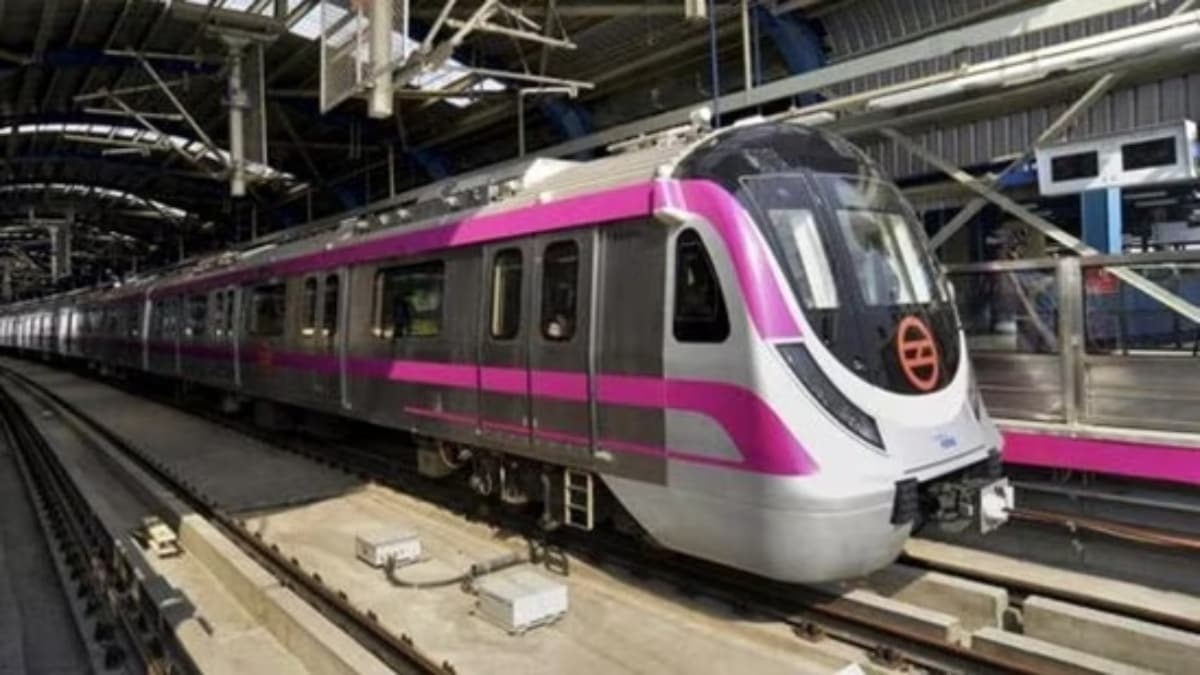
Delhi Metro Driverless Metro Network Set For Expansion
The capital’s rapid transit system is preparing for a major technological upgrade as transport authorities move ahead with plans to expand the city’s driverless metro network, signalling a broader shift towards automated and high-capacity urban mobility infrastructure. The metro operator has initiated procurement procedures to acquire 90 new metro coaches, which will be configured into 15 trainsets for an upcoming corridor linking Inderlok and Indraprastha. The trains are intended to operate as part of a fully automated system, further extending the driverless metro network already functioning on select routes within the capital.
Urban mobility experts say the expansion reflects Delhi’s growing reliance on advanced rail technologies to manage increasing commuter demand. Automated metro operations allow trains to run with high precision and shorter intervals, enabling transit systems to carry larger passenger volumes while maintaining energy efficiency. Officials involved in the procurement process indicated that the selected manufacturer will be responsible not only for supplying the train coaches but also for supporting their long-term maintenance. The agreement is expected to include a multi-decade service period covering upkeep of equipment, testing systems, and depot infrastructure, along with technical training for metro staff. The trains will be deployed on the Inderlok–Indraprastha corridor, an extension planned under the ongoing Phase IV expansion of the metro network. Once operational, the route will strengthen east–west connectivity across the capital while linking densely populated residential areas with key commercial and institutional districts. Transport planners note that the project also reflects a larger effort to create an integrated metro network with multiple interchange points across the city. The new corridor is expected to significantly increase interchange opportunities with other metro lines, allowing commuters to transfer between routes more easily and reduce overall travel times.
Experts say such connectivity improvements are crucial for cities experiencing rapid urban expansion. As metropolitan regions grow, multi-line interchange networks help disperse passenger flows and reduce crowding on individual corridors. The proposed expansion will also extend the operational reach of the driverless metro network, which relies on advanced signalling technologies that allow trains to function without onboard drivers. These systems monitor train movement in real time, ensuring safety while optimising operational efficiency. Infrastructure specialists point out that automated metro systems can also contribute to climate resilience goals by encouraging commuters to shift away from private vehicles towards public transport. Reduced reliance on car travel helps cut urban emissions while lowering congestion on already strained road networks. Funding for the rolling stock procurement is being supported through international development financing agreements that aim to strengthen sustainable urban transport infrastructure in India. Such partnerships have played a key role in expanding metro systems across several major cities.
With the addition of new trains and corridors, Delhi’s metro network is expected to continue evolving into one of the world’s largest automated urban rail systems. Officials believe the expansion of the driverless metro network will support faster, safer and more efficient mobility for millions of commuters in the years ahead.