



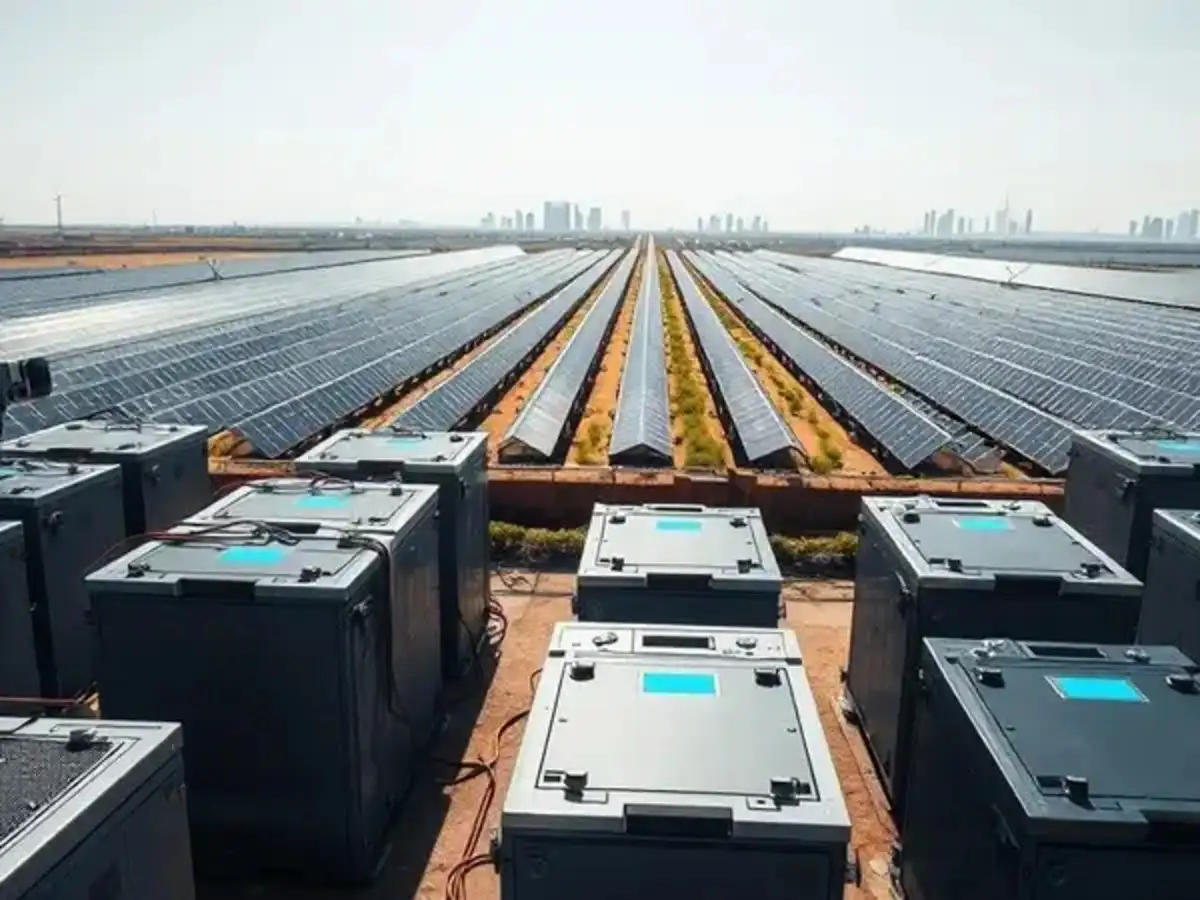
Bengaluru’s energy ecosystem is set to benefit from a sharp rise in hydel power generation across Karnataka, strengthening the city’s access to cleaner and more reliable electricity.
The development comes at a time when demand from technology parks, residential zones, and industrial clusters continues to rise, placing pressure on existing power infrastructure.The increase in hydropower output is being driven by improved water availability and more efficient utilisation of existing dams and generation facilities. For Bengaluru, which relies on a mix of energy sources, the surge offers an opportunity to reduce dependence on fossil fuel-based power while enhancing supply stability.The growing role of Bengaluru hydel power supply highlights the importance of diversified energy systems in large urban centres.Hydropower provides a steady and dispatchable source of electricity, helping balance the intermittency associated with solar and wind energy. This is particularly critical for a city like Bengaluru, where uninterrupted power is essential for data centres, IT operations, and service industries.From an urban development perspective, access to cleaner energy supports the city’s transition towards a more sustainable growth model. Reduced reliance on thermal power can contribute to lower emissions, improved air quality, and alignment with broader climate goals. As cities increasingly prioritise low-carbon pathways, hydel energy remains a key component of the transition.
Energy experts note that improved power availability can also enhance economic productivity. Reliable electricity reduces operational disruptions, supports business continuity, and strengthens investor confidence in Bengaluru as a global technology hub.The Bengaluru hydel power supply boost also has implications for urban resilience. With climate variability affecting both energy demand and supply, a stable hydropower base can help cushion the impact of fluctuations, particularly during peak usage periods.However, experts emphasise the need for integrated planning. While hydropower offers clear benefits, it must be managed alongside water resource considerations, especially in a state where competing demands for water—agriculture, drinking supply, and industry—are significant.Urban planners suggest that Bengaluru’s long-term energy strategy should combine hydel power with other renewables, storage solutions, and efficiency measures.Investments in smart grids and demand management systems can further optimise energy use and reduce wastage.There are also sustainability considerations linked to hydropower infrastructure. Ensuring that water ecosystems are protected and that projects adhere to environmental norms will be critical to maintaining balance between energy generation and ecological preservation.As Bengaluru continues to expand, the availability of reliable and clean energy will be central to its growth trajectory.
The recent surge in hydel generation offers a timely boost, reinforcing the city’s capacity to meet rising demand while moving towards a more sustainable energy future.Looking ahead, the focus will be on sustaining this momentum and integrating hydel power effectively into a diversified energy mix that supports both economic growth and environmental responsibility.
Also Read:Bengaluru HAL Museum Reopening Enhances Cultural Infrastructure
