Delhi Heritage Week Promotes Culture And Public Spaces
The capital’s urban development authority is set to launch a week-long public engagement programme focused on heritage awareness and cultural preservation, reflecting growing recognition that historic landscapes are integral to sustainable city development. Beginning mid-April, the initiative will highlight conservation work, community participation and youth engagement under a citywide Delhi Heritage Week programme designed to connect residents with the historical layers of the national capital. Urban authorities say the programme is intended to strengthen public understanding of the role heritage plays in shaping urban identity, particularly in a rapidly expanding metropolis where modern infrastructure development often coexists with centuries-old monuments and neighbourhoods.
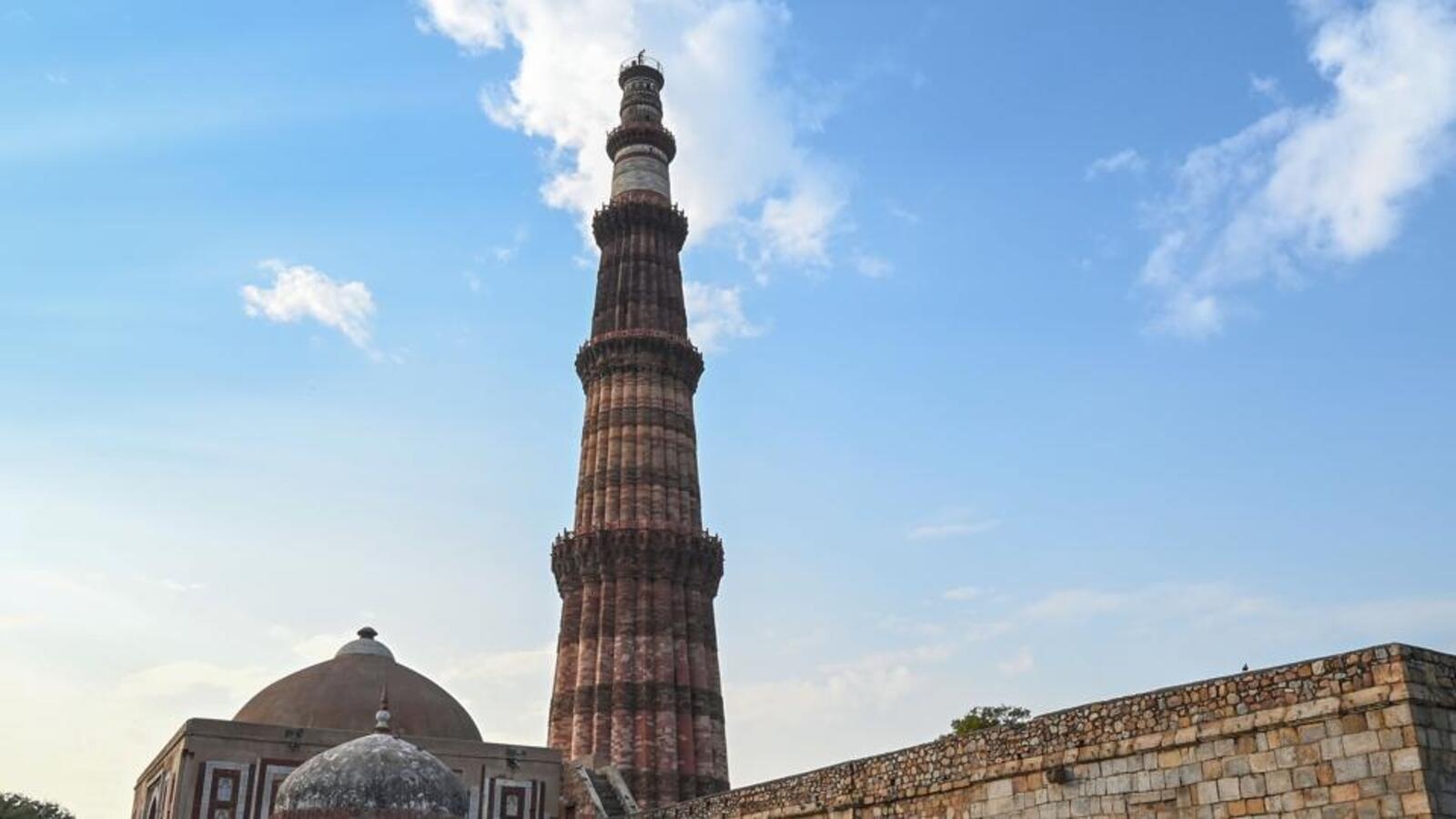
The Delhi Heritage Week initiative will bring together cultural organisations, students and urban planners through exhibitions, educational activities and creative competitions. These programmes are aimed at encouraging residents, especially younger citizens, to explore historical sites and understand the importance of conserving them within a changing urban environment. As part of the programme, the city’s planning authority has collaborated with the national heritage conservation agency to showcase ongoing preservation work in Mehrauli, one of Delhi’s oldest historic zones. The exhibition will present documentation of restoration efforts carried out in monuments and heritage landscapes in the area, which forms part of the larger Mehrauli archaeological park and surrounding historic precincts. Urban planners note that Mehrauli is a particularly significant site for heritage engagement because it represents a continuous settlement with layers of architecture from multiple historical periods. Conservation work there often combines monument restoration with ecological improvements and public access initiatives, creating spaces where heritage and urban ecology intersect.
The Delhi Heritage Week programme will also include student competitions in photography, sketching, storytelling and public dialogue, alongside cultural events intended to draw wider community participation. Civic authorities believe such activities can help foster a sense of shared ownership of historic spaces while building awareness about the challenges of preserving them in a growing city. Experts in urban conservation emphasise that heritage initiatives increasingly form part of broader sustainable development strategies. Protecting historic structures and landscapes can contribute to climate-sensitive planning by preserving green spaces, promoting walkable public areas and supporting local tourism economies. At the same time, heritage-led urban development can influence real estate and public realm planning around historic districts. Well-maintained heritage zones often attract cultural tourism, small businesses and creative industries, generating economic opportunities while reinforcing the city’s identity. Officials involved in organising Delhi Heritage Week say the initiative aims to demonstrate how heritage conservation, ecological restoration and public place-making can function together within contemporary city planning. By encouraging citizens to actively engage with historic environments, the programme seeks to build long-term support for preservation efforts.
As Delhi continues to modernise and expand, balancing infrastructure growth with the protection of cultural landmarks remains a complex challenge. Programmes that bring citizens closer to historic sites may play an important role in ensuring that the city’s cultural memory remains visible within its evolving urban landscape.