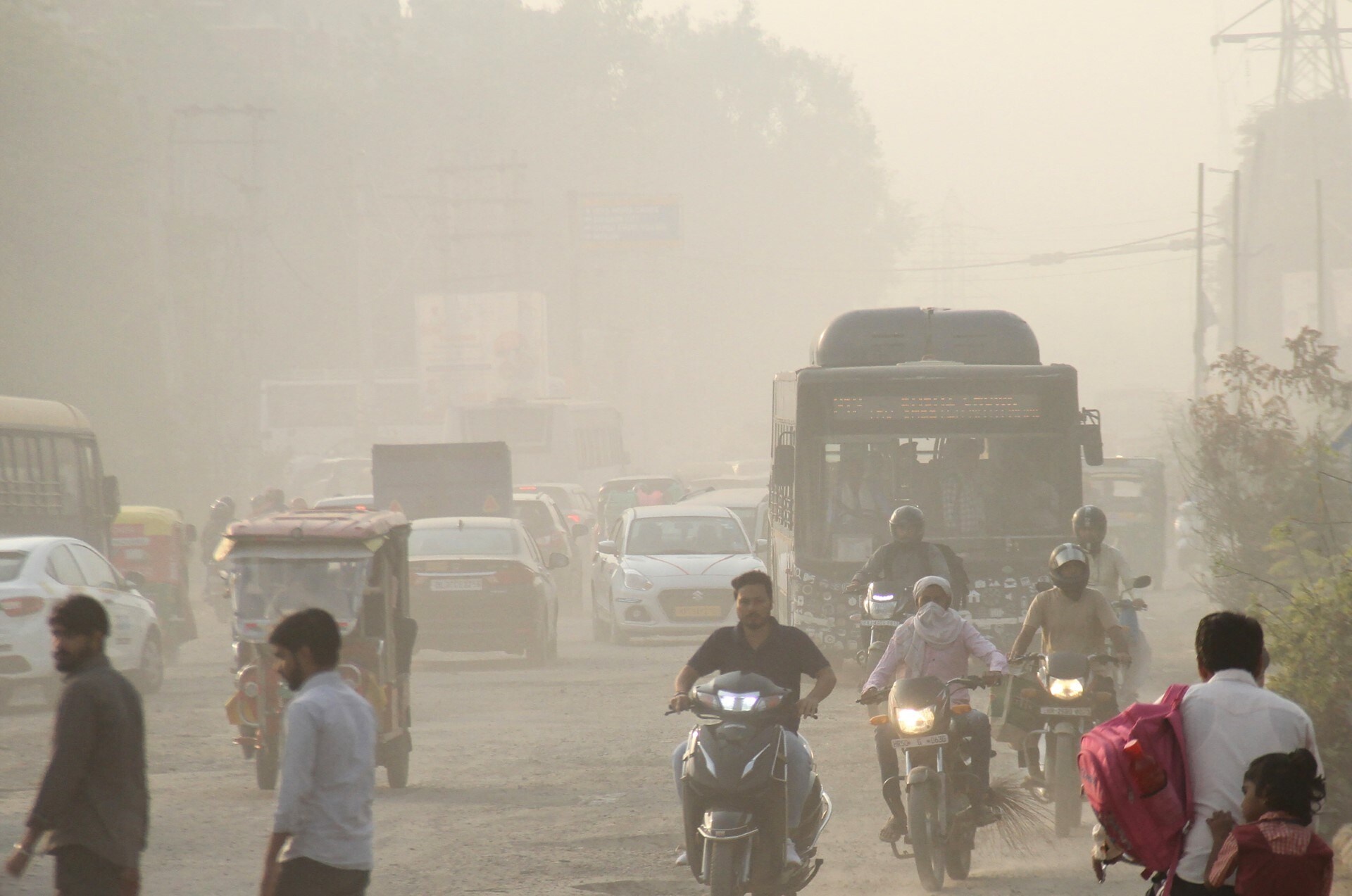
Delhi’s environmental authorities have initiated an accelerated testing programme for new technologies designed to reduce particulate pollution across the capital, marking one of the city’s largest experimentation efforts in urban air quality management. The initiative will see more than twenty shortlisted solutions deployed in real-world settings as part of a structured Delhi air pollution innovation trials programme aimed at identifying scalable methods to reduce harmful emissions. Officials from multiple civic agencies have been directed to expedite approvals and operational support so that field deployments can begin without delay. The testing programme involves collaboration between several departments responsible for transport, municipal services, emergency response infrastructure and public health, reflecting the multi-sector nature of urban air pollution.
Under the initiative, selected technologies will be installed at different urban locations known for heavy traffic activity and high particulate concentrations. These sites include major transport hubs, densely used public corridors and civic infrastructure facilities across the capital. Authorities say the objective is to evaluate whether emerging solutions can deliver measurable improvements in ambient air quality under everyday operating conditions. The Delhi air pollution innovation trials are expected to run for periods ranging from one to three months depending on the technology being tested. Independent scientific institutions will monitor the performance of these solutions using standardised air quality measurements. Such oversight is intended to ensure that evaluation results remain scientifically credible and suitable for policymaking. Urban planners note that Delhi has long struggled with seasonal spikes in fine particulate matter, commonly referred to as PM2.5 and PM10. These microscopic pollutants are associated with respiratory illnesses and broader public health risks, particularly in densely populated cities where vehicle emissions, construction dust and industrial activity contribute to air quality deterioration.
Authorities say the trial framework has been structured to identify low-cost interventions that can be replicated across large urban areas if proven effective. Each participating technology may receive limited financial support to conduct the field tests, with the best-performing solutions potentially receiving additional incentives and recognition. The evaluation phase of the Delhi air pollution innovation trials will extend into the coming months, with data collection scheduled to conclude before the onset of the peak summer season. Technical assessments and performance analysis will follow, after which recommendations will be submitted to the city administration for potential wider deployment. Environmental experts believe initiatives such as these reflect a growing emphasis on evidence-based policymaking in urban sustainability efforts. Instead of relying solely on regulatory measures, cities are increasingly experimenting with technological interventions to complement traditional pollution control strategies. However, specialists caution that technology alone cannot resolve the capital’s air quality challenges. Long-term improvements will depend on broader structural shifts, including cleaner transport systems, stricter construction management and coordinated regional action to control pollution sources across northern India.
If successful, the current round of trials could help identify practical solutions capable of improving everyday air quality for millions of residents. More importantly, it may provide a replicable framework for testing urban environmental technologies in other Indian cities facing similar pollution pressures.