


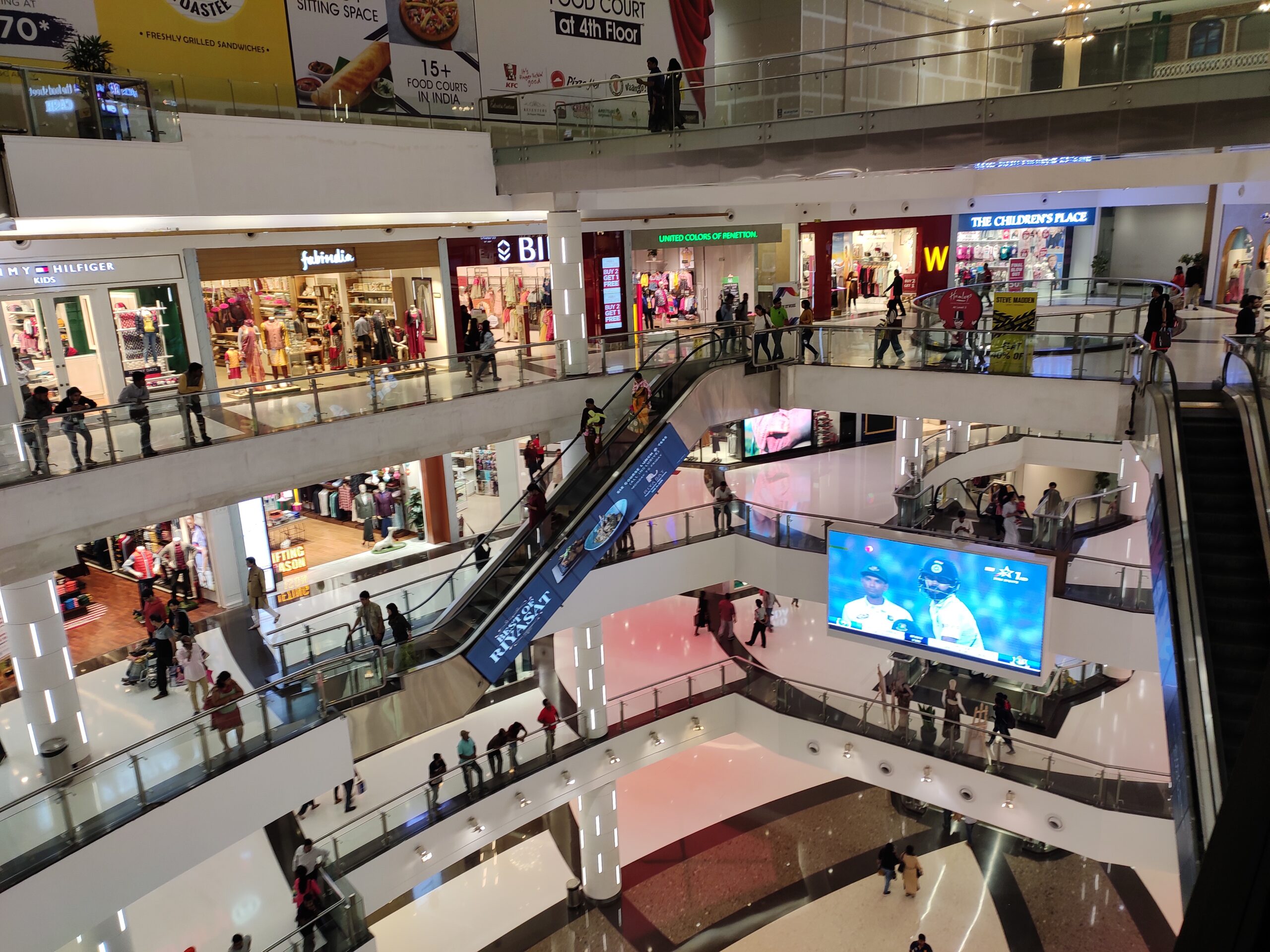
Kolkata’s retail real estate market is witnessing renewed institutional interest as a Blackstone-backed retail platform moves to acquire a prominent city mall, signalling confidence in the region’s consumption-driven growth.
The transaction underscores a broader revival in organised retail assets across tier-one cities, supported by rising footfall and evolving consumer behaviour.The deal involving Diamond Plaza, a well-established shopping destination in the city, reflects the strategic importance of stabilised retail assets in urban investment portfolios.Institutional investors are increasingly focusing on income-generating properties with strong tenant mixes and consistent occupancy, particularly in markets with untapped consumption potential.Industry analysts note that the acquisition aligns with a long-term strategy to consolidate high-performing retail centres under professionally managed platforms.Such consolidation can drive operational efficiencies, enhance tenant curation, and improve overall asset performance, making malls more resilient in a competitive retail landscape.From an urban development perspective, the transaction highlights the role of retail infrastructure in shaping city economies.Shopping centres are no longer just commercial spaces; they function as social hubs that influence lifestyle patterns, employment, and local economic activity. In Kolkata, where traditional markets coexist with modern retail formats, such investments can accelerate the transition towards organised retail ecosystems.The Kolkata mall deal also reflects shifting investor sentiment post-pandemic.
As consumer confidence returns and physical retail regains traction, well-located malls with strong catchment areas are attracting capital.This trend is particularly evident in cities where retail supply remains relatively limited compared to demand.There are economic spillover effects associated with such transactions. Enhanced asset management can lead to improved visitor experiences, higher tenant revenues, and increased employment opportunities across retail, hospitality, and facility management sectors. For the city, this translates into stronger commercial activity and potential tax revenue growth.Sustainability considerations are also gaining importance in retail real estate. Investors are increasingly integrating energy-efficient systems, waste management practices, and green building standards into asset upgrades.In a climate-sensitive urban context, such measures can reduce operational costs while aligning with broader environmental goals.However, experts caution that long-term success will depend on adaptability. Retail centres must continuously evolve to meet changing consumer preferences, including the integration of digital experiences, entertainment zones, and community-focused spaces. Without such innovation, even prime assets risk losing relevance.The Kolkata mall deal signals a positive outlook for the city’s commercial real estate sector, reflecting both investor confidence and consumer demand.
As institutional capital continues to flow into organised retail, the focus will be on creating sustainable, experience-driven spaces that enhance urban life.For Kolkata, the transaction represents more than a financial milestone—it points to a gradual transformation of its retail landscape, where modern infrastructure and traditional commerce coexist within a dynamic and evolving urban economy.
Also Read:Kolkata Disability Inclusion Demands Shape Electoral Agenda
