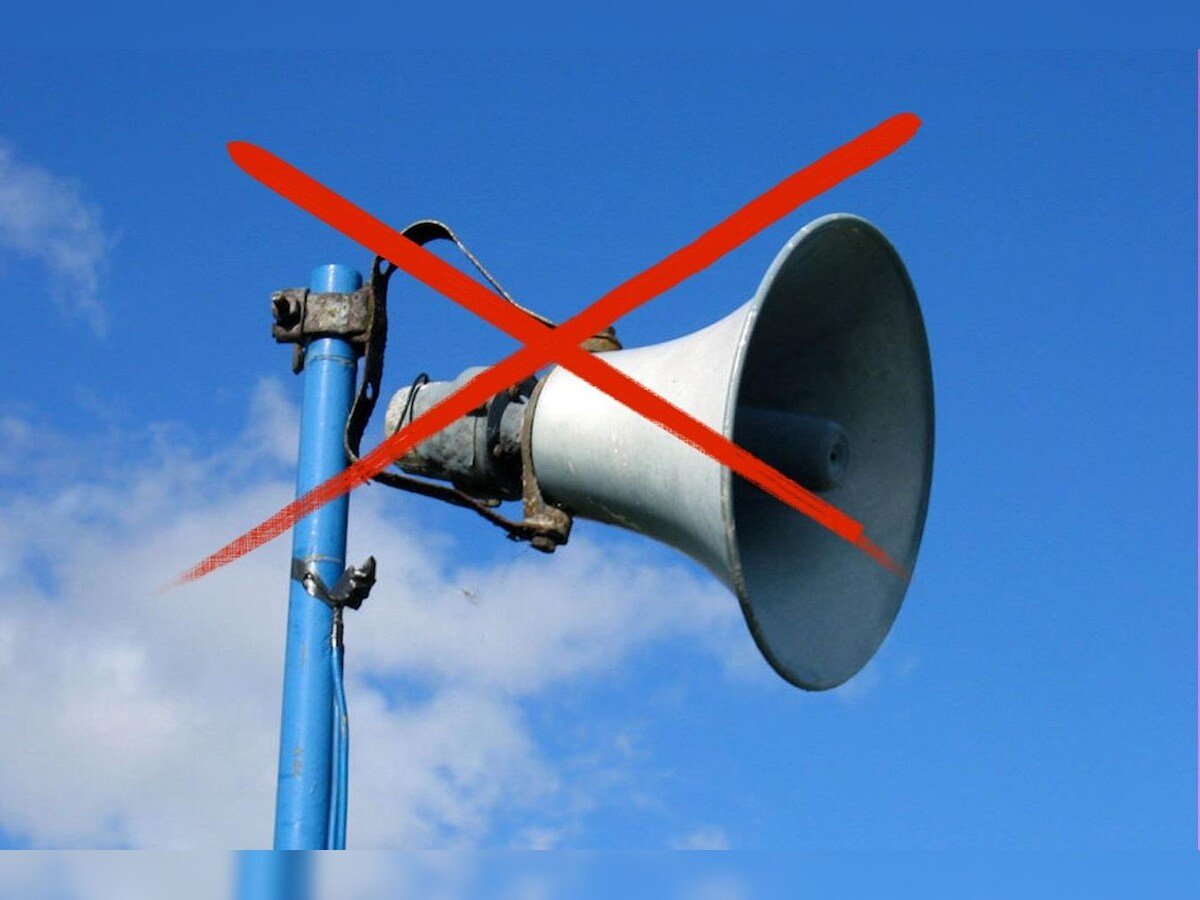
Nagpur Wedding Loudspeaker Ban Reinforces Noise Rules
Authorities in Nagpur are reinforcing restrictions on the use of loudspeakers and firecrackers at wedding venues following judicial directives aimed at curbing noise pollution in urban areas. The decision, widely referred to as the Nagpur wedding loudspeaker ban, applies to marriage halls and open lawns hosting social functions across the city.
The ruling emphasises that sound amplification systems and fireworks cannot be used in ways that violate established noise pollution regulations. Officials say the measure is intended to reduce disturbance in residential areas where large social gatherings often generate high noise levels late into the night.Urban environmental experts note that the Nagpur wedding loudspeaker ban highlights a growing challenge faced by expanding cities: balancing cultural celebrations with public health and environmental standards. Wedding events in India frequently involve music systems, DJs, and fireworks that can produce noise levels exceeding permissible limits.Noise pollution has been increasingly recognised as a serious urban environmental issue. Prolonged exposure to high noise levels can contribute to sleep disruption, stress, and other health concerns for residents living near event venues.The Nagpur wedding loudspeaker ban is expected to place greater responsibility on event organisers and venue operators to ensure compliance with noise regulations. Marriage halls and event lawns may need to adopt sound management measures such as limiting amplifier volume, installing sound barriers, or restricting outdoor music systems during late hours.
Urban planners say regulating noise pollution is an important aspect of creating more liveable cities. As residential neighbourhoods grow denser, even temporary noise spikes from celebrations can affect large numbers of people living nearby.Municipal authorities have indicated that monitoring and enforcement will be strengthened to ensure compliance with the Nagpur wedding loudspeaker ban. Event organisers who fail to follow noise regulations may face penalties or restrictions on future permissions.Environmental specialists also emphasise that fireworks contribute not only to noise pollution but also to air quality deterioration. Restricting firecrackers at large gatherings can help reduce particulate pollution, particularly during periods when cities already face environmental stress.
Across India, several courts and municipal administrations have introduced guidelines regulating loudspeaker use in public spaces and residential zones. These regulations typically define maximum permissible noise levels and restrict amplified sound during nighttime hours.The Nagpur wedding loudspeaker ban reflects a broader shift in urban governance toward stricter enforcement of environmental norms in densely populated areas. As cities grow, authorities are increasingly seeking to balance social traditions with the need for quieter, healthier living environments.Event venue operators are expected to review their operational policies to ensure compliance with the updated guidelines. Some venues may also explore alternative event formats that rely less on high-volume sound systems.
Urban sustainability experts argue that long-term solutions may involve improved urban zoning, better event infrastructure, and stronger public awareness about noise pollution.For Nagpur residents, the enforcement of the Nagpur wedding loudspeaker ban could mark a step toward reducing nighttime disturbances while encouraging more responsible celebration practices within the city’s rapidly evolving urban landscape.