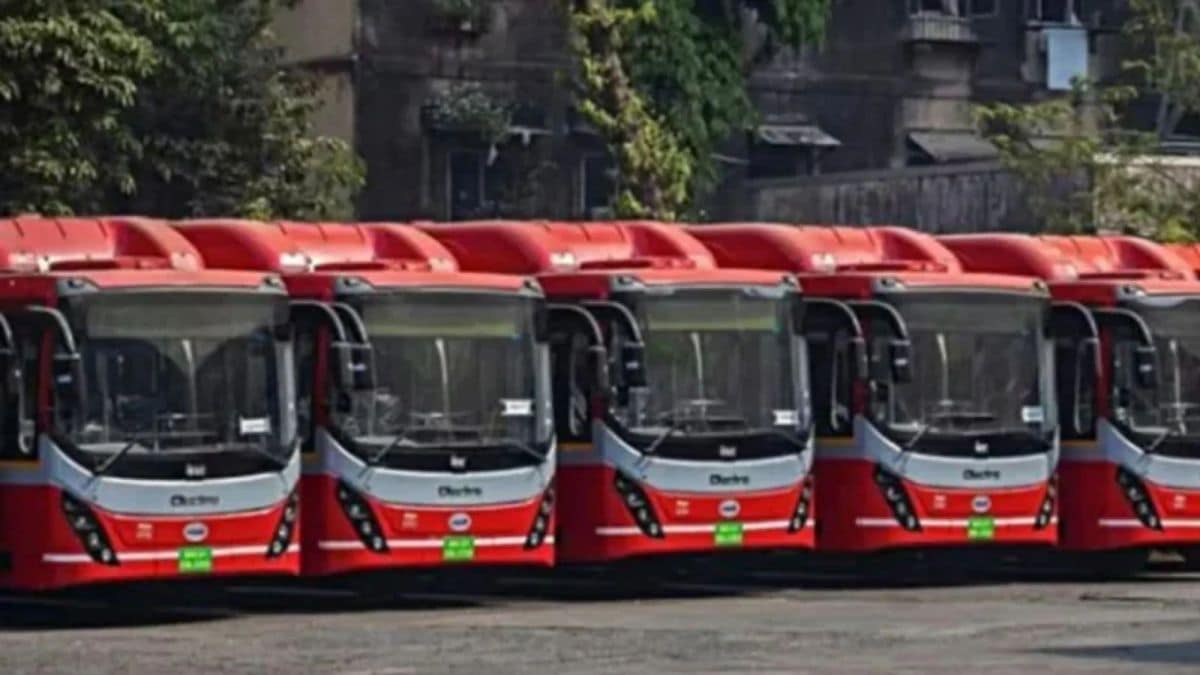
Public transport costs across Bihar are set for an upward revision, with authorities proposing a fare increase of up to 15% across government-operated buses—a move that could significantly affect daily commuters in Patna and other urban centres. The decision reflects mounting financial pressure on state-run transport systems as operating costs continue to rise amid expanding service networks.
The proposed Bihar bus fare hike is expected to apply across city routes as well as long-distance services operated by the state transport corporation. Officials familiar with the plan indicate that fares for urban commuters may see incremental increases, while intercity routes could witness sharper adjustments depending on distance and service category. In Patna, where city buses are a critical mobility option for students, workers, and low-income groups, even marginal fare changes could influence daily travel patterns. Estimates suggest that minimum fares on standard buses may rise by small increments, while electric and air-conditioned services could see relatively higher increases due to elevated operating and maintenance costs. Transport economists point out that fare rationalisation is often unavoidable in systems where fuel prices, maintenance expenses, and staff costs have increased steadily over several years. In Bihar’s case, officials have indicated that fares had remained largely unchanged for an extended period, even as input costs escalated, creating financial strain on public transport operations.
However, the Bihar bus fare hike also raises questions around affordability and access. Public buses remain one of the most inclusive forms of transport, particularly for those who rely on low-cost mobility within cities and between districts. A rise in fares, even if modest, could push some commuters towards informal or less regulated transport options, potentially affecting both safety and system efficiency. Urban mobility experts emphasise that fare increases must be balanced with service improvements. Reliability, frequency, and comfort are key factors that determine whether commuters perceive value in public transport. Without parallel upgrades in service quality, fare hikes risk reducing ridership rather than strengthening the system’s financial sustainability. From a broader urban planning perspective, the development highlights a recurring challenge in Indian cities—how to fund and maintain public transport systems while keeping them affordable. As cities expand and travel distances grow, the demand for efficient, low-emission mobility options is increasing. Electric buses and modern fleets offer long-term environmental benefits, but they also come with higher upfront and operational costs.
The economic implications extend beyond commuters. Public transport networks play a vital role in connecting labour markets, enabling access to education, and supporting informal economies. Changes in fare structures can therefore influence productivity and economic participation, particularly in rapidly growing urban regions like Patna. Looking ahead, the long-term success of the Bihar bus fare hike will depend on how effectively authorities reinvest additional revenue into service improvements and network expansion. As cities navigate the dual challenge of affordability and sustainability, transport pricing will remain a key lever in shaping equitable and resilient urban mobility systems.