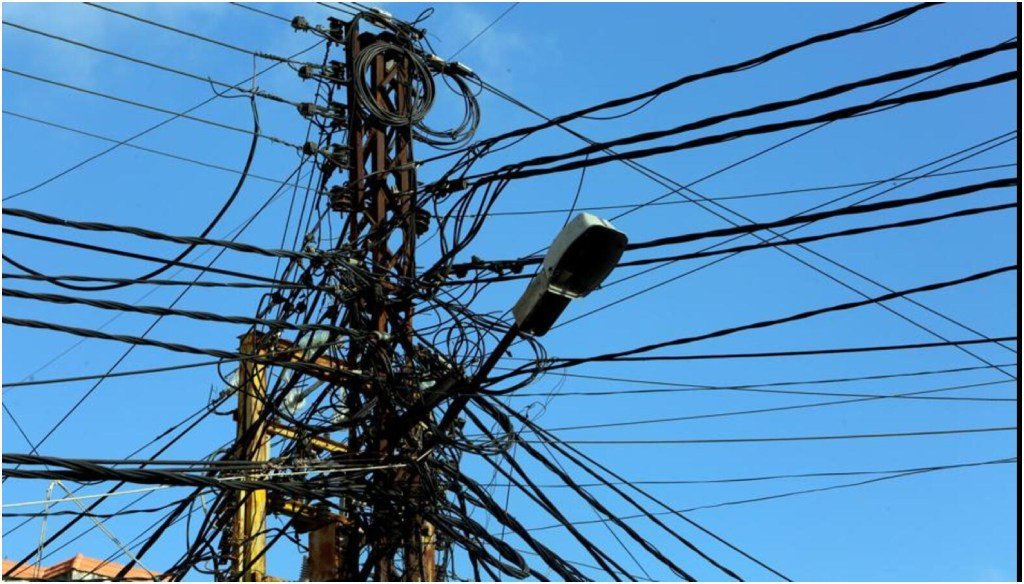
Patna’s electricity network is undergoing a structural transformation as authorities accelerate the rollout of underground cabling across key parts of the city, signalling a shift towards safer and more climate-resilient urban infrastructure. The initiative, led by the state-run power utility, is designed to reduce outages, improve safety, and modernise the city’s ageing distribution system.
Officials associated with the project indicate that the underground cabling drive is being implemented in phases, targeting high-density zones and critical urban corridors first. The move aims to replace overhead wires—often vulnerable to storms, falling trees, and accidental damage—with insulated underground systems that are less prone to disruption. The underground cabling project comes at a time when Patna’s electricity demand is rising sharply due to urban expansion and increased use of cooling appliances. Traditional overhead infrastructure has struggled to cope with these pressures, frequently leading to localised faults and service interruptions. By relocating cables below ground, planners expect to reduce such vulnerabilities while also improving the overall efficiency of power distribution. Urban infrastructure experts view underground cabling as a critical upgrade for cities facing both climatic and spatial constraints. In a riverine city like Patna—where seasonal storms, high winds, and flooding are common—overhead lines often become a point of failure. Underground systems, while costlier to install, offer long-term gains in reliability and reduced maintenance disruptions.
Beyond reliability, the project also addresses urban design concerns. Overhead wiring contributes to visual clutter and complicates road expansion, pedestrian movement, and future infrastructure integration. Removing these networks can free up urban space and enable more organised streetscapes, particularly in commercial and high-footfall areas. The initiative aligns with a broader state-backed investment push into power infrastructure modernisation. Earlier approvals allocated substantial funding to extend underground cabling across multiple divisions of the city, indicating a long-term commitment to upgrading the electricity network. However, experts caution that execution will be key. Underground cabling projects often face challenges related to excavation in dense urban areas, coordination with existing utilities such as water and sewer lines, and minimising disruption to traffic and businesses. Ensuring proper mapping of underground assets and phased construction will be critical to avoid delays and cost overruns. From a resilience perspective, the benefits extend beyond immediate service improvements. As cities grapple with more extreme weather patterns, robust power infrastructure becomes essential for maintaining essential services, from healthcare to communication systems. Reduced outages can also support economic continuity, particularly for small businesses that are disproportionately affected by power disruptions.
The underground cabling project, therefore, represents more than a technical upgrade—it reflects a broader transition in how Indian cities are approaching infrastructure planning. By prioritising reliability, safety, and long-term sustainability, Patna is positioning its energy network to better support future urban growth. As implementation progresses, the project’s success will depend on seamless coordination, sustained investment, and integration with other urban systems—factors that will ultimately determine whether the city can deliver a truly resilient and future-ready power network.