


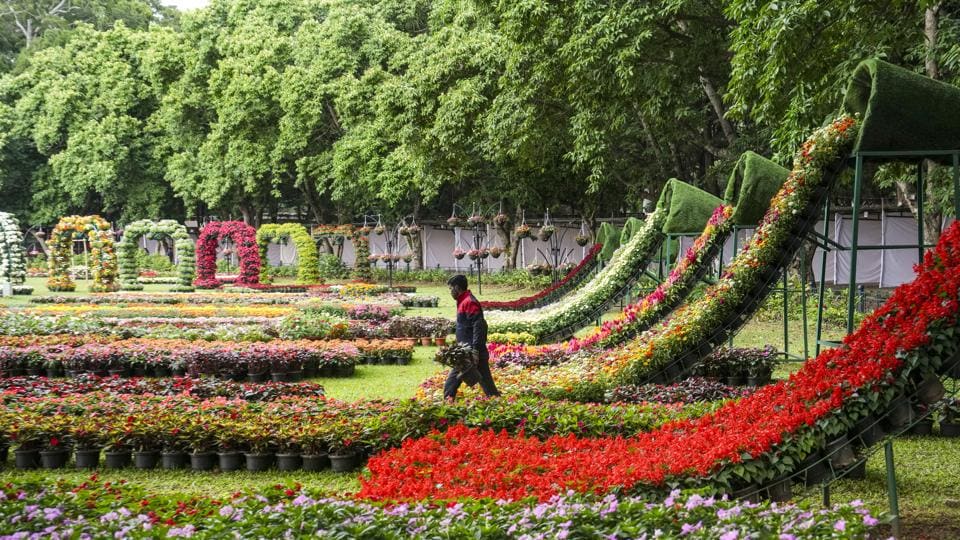
A proposed metro expansion near Bengaluru’s iconic Lalbagh Botanical Garden is facing mounting resistance from citizens, conservationists, and urban planners, raising complex questions around infrastructure growth, ecological preservation, and heritage protection.
The debate underscores the challenges cities face when balancing mobility needs with environmental and cultural priorities.Opposition to the plan centres on concerns that construction activity could disrupt the fragile ecological balance of the area, particularly its groundwater systems and green cover. Lalbagh, a historic urban lung space, plays a crucial role in regulating local microclimates and supporting biodiversity in a densely built city.Stakeholders have also pointed to the site’s heritage value, arguing that any intervention must account for its historical significance and ongoing efforts to secure global recognition. The issue has brought attention to the interplay between infrastructure projects and conservation frameworks, especially in cities where land availability is limited.The controversy around the Bengaluru Lalbagh metro plan reflects a broader urban dilemma: how to expand mass transit systems without compromising critical environmental assets. Metro networks are widely seen as essential for reducing congestion and lowering emissions, yet their alignment and execution can have unintended local impacts if not carefully managed.Urban planning experts suggest that alternatives—such as route realignment, underground tunnelling with minimal surface disruption, or the use of advanced construction techniques—should be explored to mitigate risks.
Transparent environmental assessments and stakeholder consultations are also considered essential to building public trust.The issue also highlights the importance of integrating ecological considerations into infrastructure planning from the outset. Green spaces like Lalbagh are not merely recreational areas; they are vital components of urban resilience, helping cities cope with heat, flooding, and air quality challenges.From a governance perspective, the resistance signals a growing civic engagement in urban decision-making.Citizens are increasingly demanding accountability and sustainability in development projects, reflecting a shift towards more participatory models of city planning.There are economic dimensions to the debate as well. While improved metro connectivity can enhance mobility and support economic activity, damage to heritage sites or ecological systems can have long-term costs, including loss of tourism potential and increased environmental remediation expenses.The Bengaluru Lalbagh metro plan thus sits at the intersection of development and preservation, illustrating the trade-offs inherent in urban growth.
As discussions continue, the outcome will likely influence how future infrastructure projects are conceptualised and implemented in environmentally sensitive areas.For Bengaluru, the challenge lies in demonstrating that progress and preservation can coexist. The resolution of this issue will be closely watched as a test case for building infrastructure that is not only efficient but also respectful of the city’s ecological and cultural legacy.
Also Read:Bengaluru Heat Advisory Issued As Temperatures Rise
