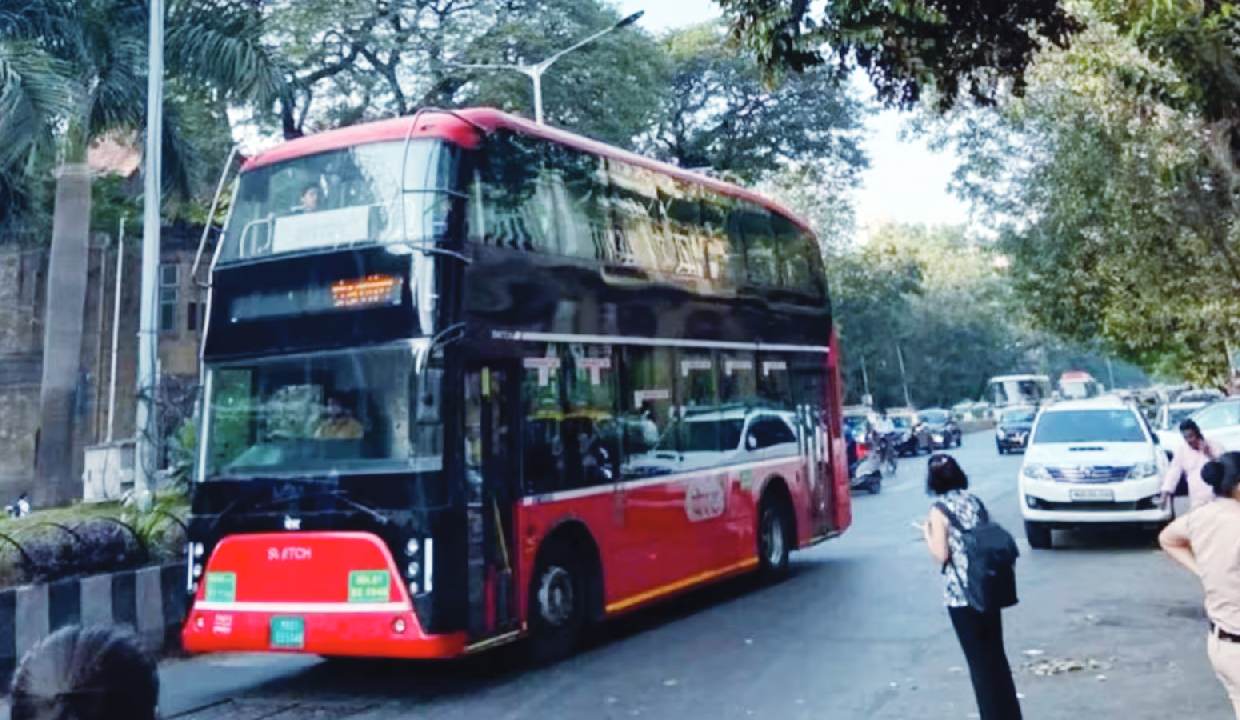
Mumbai’s public transport authority is evaluating a proposal to restore a small fleet of decommissioned double-decker buses and reintroduce them as heritage rides, in a move that blends urban mobility with cultural preservation. The plan, currently under internal review, comes at a time when the city is rethinking how legacy assets can be repurposed within a modern, sustainability-focused transport ecosystem.
The proposal centres on a set of idle buses currently stationed beneath a key flyover in south Mumbai, where they have remained unused and visibly deteriorating. Officials acknowledge that the condition of these vehicles has raised safety and maintenance concerns, prompting renewed discussion on whether restoration could offer both functional and symbolic value. Transport planners suggest that reviving double decker buses as curated heritage services could serve multiple purposes. Beyond tourism appeal, such initiatives can activate underutilised assets, create niche revenue streams, and reinforce public transport identity in a city undergoing rapid transition towards electrification and high-capacity systems like metro rail.
The buses in question were previously repurposed under a civic-led urban design initiative, which sought to convert them into public-facing spaces such as libraries and cafes. However, the concept struggled to sustain engagement over time, leaving the structures largely abandoned. Urban design experts note that adaptive reuse projects require long-term operational planning and community integration to remain viable, particularly in high-density neighbourhoods. The current proposal repositions these vehicles within a mobility context rather than static installations. Officials are examining the feasibility of deploying restored double decker buses along select routes that pass through historic and commercial districts. Such routes could be curated to highlight Mumbai’s architectural and cultural landmarks, offering a low-impact, experiential alternative to conventional tourism models.
At the same time, the initiative is being evaluated against the financial realities facing the transport undertaking. With significant accumulated losses and ongoing efforts to expand and modernise the bus fleet, including the induction of cleaner and electric vehicles, any heritage-focused investment will need to demonstrate operational sustainability. Urban mobility experts caution that while heritage services can enhance city branding, they must not divert attention from core service delivery. Instead, integrating such offerings within a broader public transport framework—potentially through public-private partnerships or targeted tourism funding—could ensure that they complement rather than compete with essential services.
From an environmental standpoint, the restoration of existing assets aligns with principles of circular economy and resource efficiency. Reusing and retrofitting older vehicles, if done with updated emissions standards, can reduce the carbon footprint associated with manufacturing new units while preserving elements of the city’s transport history. As the proposal undergoes further assessment, its success will depend on balancing nostalgia with practicality. If implemented effectively, the initiative could offer Mumbai a distinctive way to celebrate its transit legacy while adapting to contemporary urban mobility needs, demonstrating how heritage and sustainability can coexist in a rapidly evolving metropolitan landscape.
BEST Considers Bringing Back Iconic Double Deckers Buses