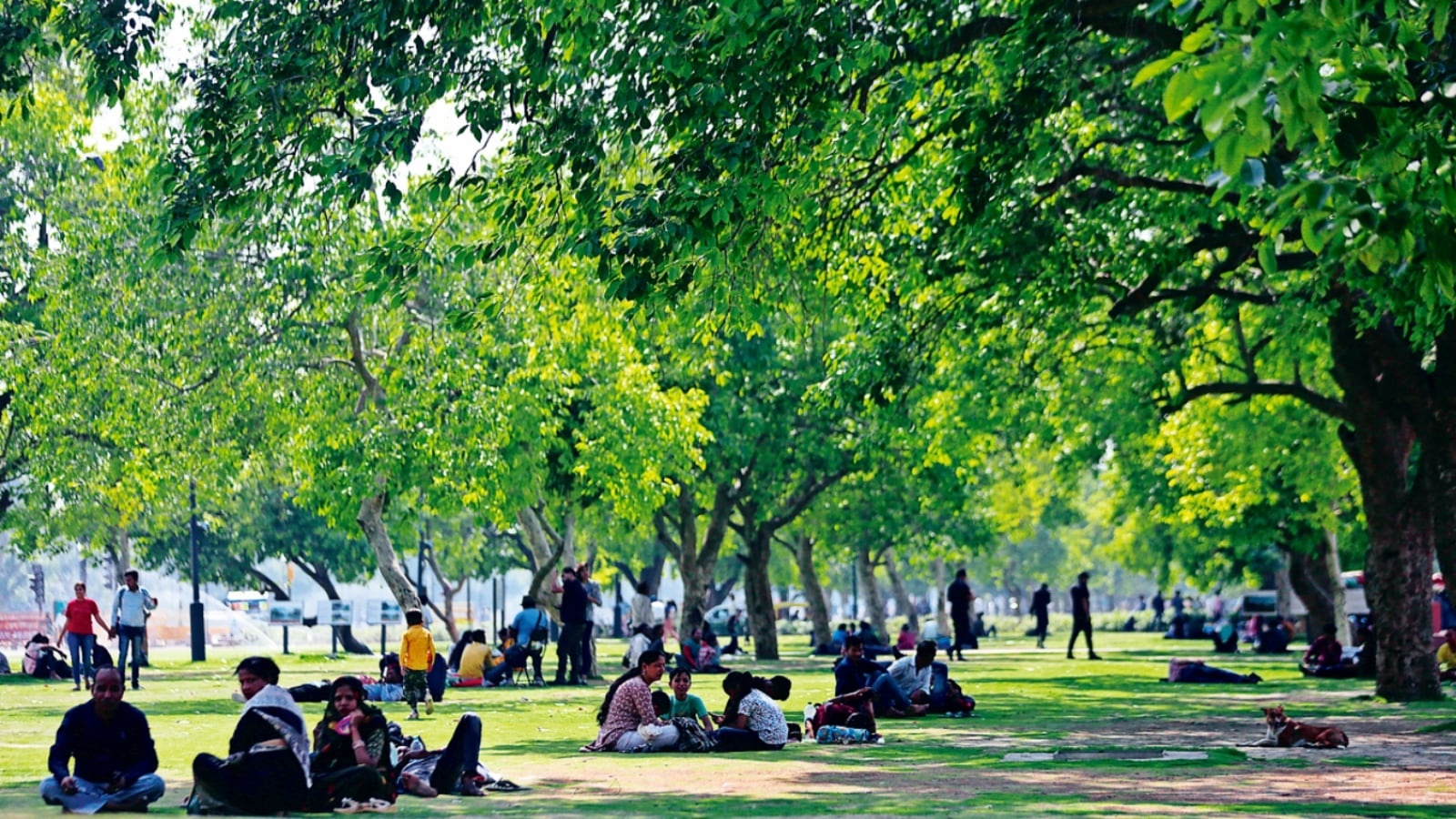
Delhi Green Action Plan Targets Seven Million Trees
Delhi authorities have outlined an ambitious citywide plantation strategy under the Green Action Plan, setting a target to introduce more than seven million trees and shrubs across the capital during the 2026–27 financial year. The programme, coordinated across more than twenty government departments, reflects a broader attempt to expand urban green cover while addressing persistent air pollution and rising climate pressures in one of India’s most densely populated metropolitan regions. Officials involved in the initiative say the Green Action Plan is designed to move beyond seasonal plantation drives toward a coordinated ecological strategy. Departments responsible for forests, public works, transport corridors, housing estates and educational institutions are expected to identify suitable sites for planting while ensuring that survival rates and long-term maintenance are monitored.
Urban planners note that large-scale plantation programmes can play a role in mitigating the urban heat island effect, improving air quality, and strengthening ecological resilience in rapidly expanding cities. Increasing tree cover also supports groundwater recharge and biodiversity within built environments where natural landscapes have been steadily shrinking. Authorities say the Green Action Plan will emphasise multi-layer plantation models in selected areas, combining trees, shrubs and ground vegetation to create denser green buffers along roads, parks and public land parcels. This approach is commonly used in urban forestry to maximise ecological benefits while improving soil stability and carbon absorption. Environmental experts point out that coordinated greening strategies are increasingly necessary for cities confronting air pollution and climate-related risks. Delhi, which experiences seasonal spikes in particulate matter, has faced mounting pressure to adopt long-term solutions that address both emissions and environmental degradation.
Officials familiar with the programme say collaboration between departments is central to the plan’s implementation. Transport agencies, civic authorities, forest divisions and local institutions are expected to participate in identifying land parcels for plantation and ensuring maintenance through community engagement and institutional oversight. Urban development specialists say expanding tree cover can also influence broader planning outcomes. Green corridors and shaded public spaces improve liveability, support pedestrian activity and enhance the environmental value of surrounding neighbourhoods. Such interventions are increasingly viewed as part of sustainable infrastructure rather than isolated beautification efforts. The programme also aligns with broader national campaigns encouraging citizens to participate in environmental initiatives through tree planting and community stewardship. Policymakers suggest that public participation may help strengthen the long-term survival of newly planted trees, particularly in dense urban neighbourhoods where space and resources are limited. However, experts caution that plantation targets alone do not guarantee environmental outcomes. Ensuring species diversity, selecting climate-resilient native plants and maintaining long-term monitoring systems will be critical to achieving meaningful ecological benefits.
As Delhi continues to grapple with air quality challenges and climate stress, initiatives such as the Green Action Plan are increasingly being viewed as part of a wider transition toward resilient and people-centric urban landscapes. The coming planting season will likely test how effectively large-scale environmental targets translate into measurable improvements in the capital’s ecological health.