


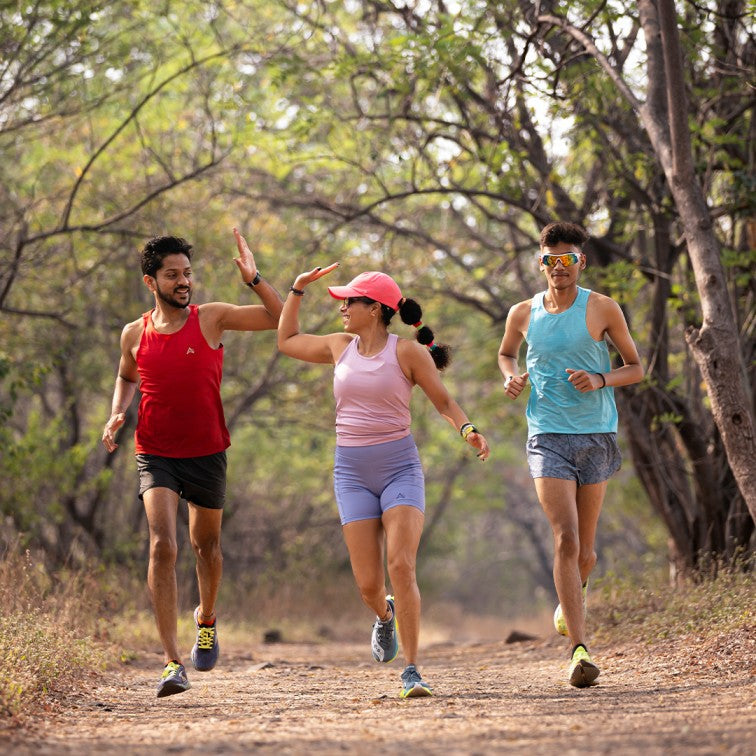
Bengaluru’s urban lifestyle is increasingly embracing fitness-led community engagement, as seasonal running events gain traction across the city during the summer months.
The growing popularity of organised runs reflects a broader shift towards health-conscious living in one of India’s fastest-evolving metropolitan regions.Participation in these events has been steadily rising, with runners from diverse age groups and professional backgrounds taking part. What was once a niche activity has now become a mainstream urban movement, supported by running clubs, corporate wellness initiatives, and city-wide campaigns promoting physical activity.The surge in participation highlights changing lifestyle patterns in Bengaluru, where sedentary work routines—particularly in the technology sector—are driving demand for structured fitness activities. Running events offer not only physical benefits but also opportunities for social interaction and community building, contributing to improved mental well-being.From an urban planning perspective, the rise of such activities underscores the importance of accessible public spaces. Parks, pedestrian pathways, and low-traffic zones are critical in enabling safe and inclusive participation in outdoor fitness. Experts note that cities investing in walkable and runner-friendly infrastructure tend to see higher levels of public engagement in health-oriented activities.
The growth of the Bengaluru summer run ecosystem also aligns with global trends where cities are leveraging sports and recreation to enhance liveability. By encouraging active lifestyles, urban centres can reduce long-term healthcare burdens and improve overall quality of life.However, the expansion of running culture also brings attention to infrastructure gaps.Limited dedicated running tracks, uneven pavements, and traffic safety concerns remain challenges in many parts of the city.Addressing these issues will be essential to sustaining participation and ensuring that such activities remain accessible to a wider population.There are economic dimensions to this trend as well. Running events generate activity across sectors such as sports retail, event management, and local tourism.Sponsorships and partnerships further contribute to the city’s growing sports economy, creating opportunities for businesses and service providers.Environmental considerations are also coming into focus. Organisers are increasingly adopting sustainable practices, including reducing plastic use, promoting eco-friendly materials, and encouraging public transport for participants. These efforts align with broader goals of building environmentally responsible urban ecosystems.The Bengaluru summer run movement reflects how cities can integrate health, community, and sustainability into everyday urban life.
As participation continues to grow, the challenge will be to support this momentum through better infrastructure, inclusive planning, and policy support.Looking ahead, Bengaluru’s experience suggests that fostering active lifestyles can play a key role in shaping resilient and people-centric cities. By prioritising health-oriented urban design, cities can create environments that not only support economic growth but also enhance the well-being of their residents.
Also Read:Bengaluru Civic Cleanup Drive Clears Drains And Flyovers
