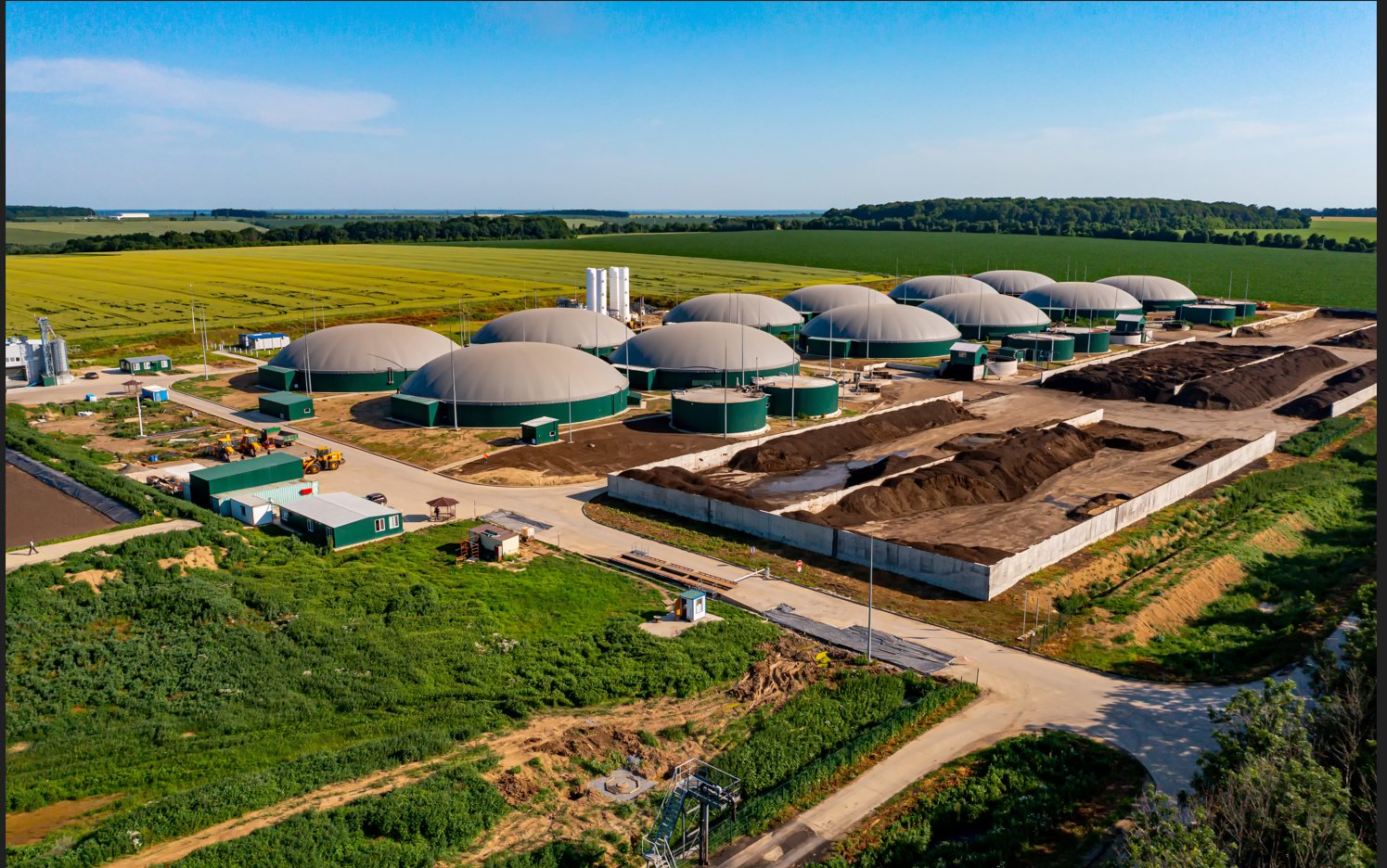
Delhi Approves Ghazipur Dairy Biogas Infrastructure Plan
Delhi’s civic administration is moving forward with plans to convert livestock waste into renewable energy by establishing a large-scale biogas plant at the Ghazipur dairy colony in East Delhi. The project is intended to process cattle waste generated in the area while reducing environmental pressure on nearby landfills and waterways. Municipal officials confirmed that administrative approval has been granted for the facility, which will have a processing capacity of roughly 300 tonnes per day. The proposal is expected to be placed before the municipal council for further deliberation later this month, marking an important step toward implementing the project.
The proposed biogas plant will be built on approximately five acres of land within the Ghazipur dairy cluster, an area that houses hundreds of cattle units supplying milk to the capital. Large volumes of dung generated by such dairy settlements have historically posed a major waste management challenge for city authorities. Urban environmental specialists say the project could play a key role in addressing one of Delhi’s persistent sanitation issues. Untreated cattle waste often finds its way into stormwater drains, eventually reaching the Yamuna River. Processing this waste through anaerobic digestion technology can convert organic material into methane-rich gas, which can then be used as a cleaner energy source. Officials said the Ghazipur facility forms part of a wider strategy to deploy multiple biogas plant installations across dairy clusters in the city. Plans are underway to establish similar units in several locations, including Bhalswa, Mangolpuri, Rohini and Sagarpur, alongside smaller processing facilities in areas such as Masoodpur and Madanpur Khadar. Together, these projects aim to build a decentralised network of waste-to-energy infrastructure capable of managing cattle waste generated across Delhi’s dairy colonies.
Authorities are also examining supporting measures such as wastewater treatment plants and upgraded drainage systems to prevent untreated slurry from entering urban drains. Experts note that biogas technology offers both environmental and economic benefits when applied at scale. By converting organic waste into energy, such facilities can reduce methane emissions from uncontrolled decomposition while producing renewable fuel and nutrient-rich slurry that can be reused as fertiliser. Municipal authorities are also exploring partnerships with national dairy sector institutions to strengthen waste collection and supply chains for these facilities. Incentive mechanisms for dairy operators are being considered to encourage farmers to channel dung toward processing units rather than disposing of it in open drains or vacant land. For Delhi, which is grappling with landfill overload and water pollution concerns, expanding biogas plant infrastructure could support cleaner urban ecosystems while creating circular resource systems.
As the city continues to search for sustainable waste solutions, projects like the Ghazipur facility illustrate how urban infrastructure can simultaneously address sanitation challenges, reduce emissions and contribute to renewable energy generation. If implemented successfully, the initiative could reshape how livestock waste is managed across the capital while offering a scalable model for other rapidly growing Indian cities.