


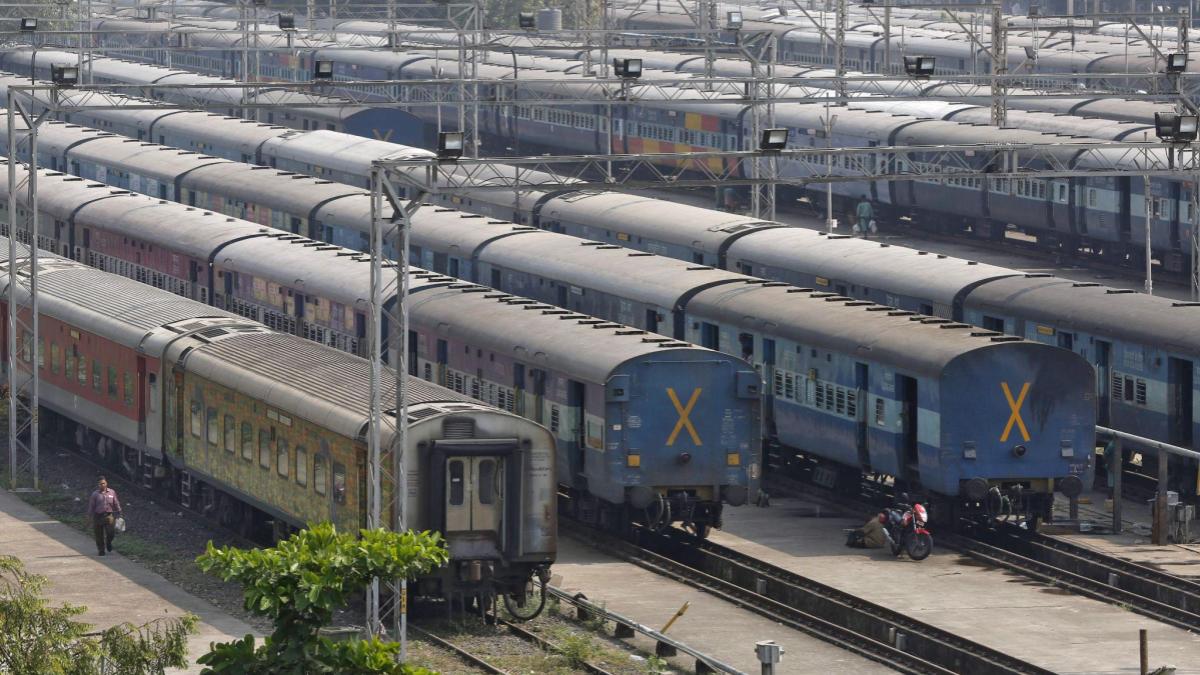
Rail operations at Bengaluru’s primary terminal are undergoing adjustments as platform allocations for Rajdhani Express services are revised, reflecting ongoing efforts to optimise passenger flow and operational efficiency in one of the city’s busiest transport hubs.
The change is expected to affect boarding patterns and commuter movement within the station, particularly during peak travel hours.Railway officials indicate that the platform reassignment is part of a broader strategy to manage increasing train traffic and improve scheduling flexibility. With rising passenger volumes and expanded rail services, stations like KSR Bengaluru are under pressure to streamline operations without compromising safety or accessibility.The shift in platform usage for premium long-distance services such as the Rajdhani Express highlights the complexities of managing legacy rail infrastructure in rapidly growing urban environments. As demand intensifies, even minor operational changes can have cascading effects on passenger circulation, crowd management, and station logistics.From an urban mobility perspective, the development underscores the importance of efficient interchange design within transport hubs. Stations serve as critical nodes connecting local, regional, and national networks, and seamless passenger movement is essential to maintaining system reliability.Clear signage, timely communication, and digital updates are key to ensuring that commuters can adapt to such changes without confusion.
The adjustment also brings attention to the need for continuous upgrades in railway infrastructure.While large-scale redevelopment projects are underway in several cities, incremental operational measures—such as platform optimisation—play a crucial role in addressing immediate capacity constraints.Experts note that improving station design and management can significantly enhance the commuter experience. Features such as wider concourses, dedicated entry and exit points, and real-time information systems can help mitigate congestion caused by platform changes. In high-density cities like Bengaluru, these interventions are vital for maintaining efficiency in public transport systems.There are broader economic implications as well.Reliable and efficient rail services support business travel, tourism, and regional connectivity, all of which contribute to urban economic activity. Ensuring smooth operations at major terminals is therefore essential for sustaining growth and competitiveness.Urban planners emphasise that as cities expand, transport infrastructure must evolve to meet changing demands. Integrating rail upgrades with other modes of transport—such as metro systems and bus networks—can create more cohesive mobility ecosystems.
As passengers adjust to the revised arrangements, the focus will remain on how effectively authorities manage communication and execution. The platform change serves as a reminder that even routine operational decisions are integral to the functioning of complex urban transport networks, where efficiency, accessibility, and user experience must be carefully balanced.
Also Read:Bengaluru Heritage Art Project Celebrates City Identity
