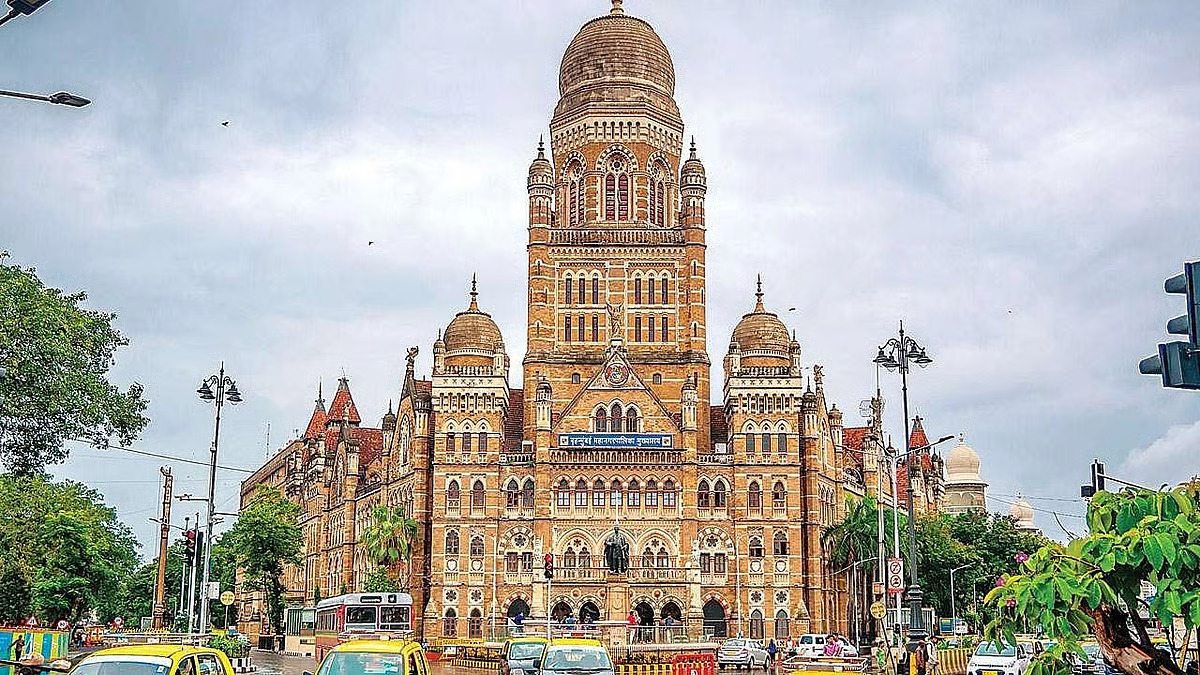
Mumbai’s municipal administration is moving to centralise its sanitation oversight through a proposed command centre aimed at improving the efficiency of citywide waste management and cleanliness operations. The initiative signals a shift towards data-driven governance in one of India’s most densely populated urban regions, where daily waste volumes and infrastructure stress continue to test civic systems.
The proposed system, described by officials as a “war room,” is expected to function as a real-time monitoring hub, tracking sanitation performance across wards and enabling quicker response to service gaps. Urban planners note that such centralised cleanliness monitoring systems are increasingly being adopted in large cities to enhance accountability and optimise resource deployment, especially in high-density environments like Mumbai. At the administrative level, ward officers have been directed to increase physical inspections and maintain closer oversight of on-ground operations. This comes amid growing recognition that decentralised execution, without consistent supervision, often leads to uneven service quality across neighbourhoods. Officials indicated that integrating field-level reporting with a central cleanliness monitoring system could help bridge this gap and improve coordination between departments.
A key focus area is the maintenance of major transport corridors and high-footfall zones, where waste accumulation tends to escalate due to heavy traffic and commercial activity. Civic authorities are evaluating mechanised sweeping solutions tailored to Mumbai’s road conditions, which could reduce manual dependency and improve efficiency. Experts suggest that such mechanisation, if powered by cleaner energy sources, can also support the city’s broader low-carbon transition goals. The shift towards electrification in waste collection is another component of this strategy. A growing share of the municipal fleet now comprises electric vehicles, reflecting an incremental move towards reducing emissions from urban service delivery. While still a small proportion, this transition is seen as a step towards aligning waste management operations with climate resilience objectives.
Mumbai currently generates thousands of tonnes of solid waste daily, necessitating robust processing and disposal systems. Officials highlighted that improvements in fleet capacity and route planning have already enabled a reduction in the number of vehicles deployed, indicating operational efficiencies under revised service contracts. However, infrastructure alone may not be sufficient. Civic authorities are also emphasising waste segregation and citizen participation as critical elements of a sustainable sanitation ecosystem. With dozens of segregation centres and dedicated collection systems in place, the effectiveness of these facilities depends heavily on compliance at the household and commercial levels.
Urban development experts point out that the success of any cleanliness monitoring system ultimately hinges on behavioural change alongside technological upgrades. As Mumbai scales up its centralised oversight mechanisms, the next phase will likely involve integrating public engagement with digital tracking tools, ensuring that cleanliness becomes a shared civic responsibility rather than a purely administrative function.
BMC To Set Up Central Command Hub For Cleanliness Oversight