


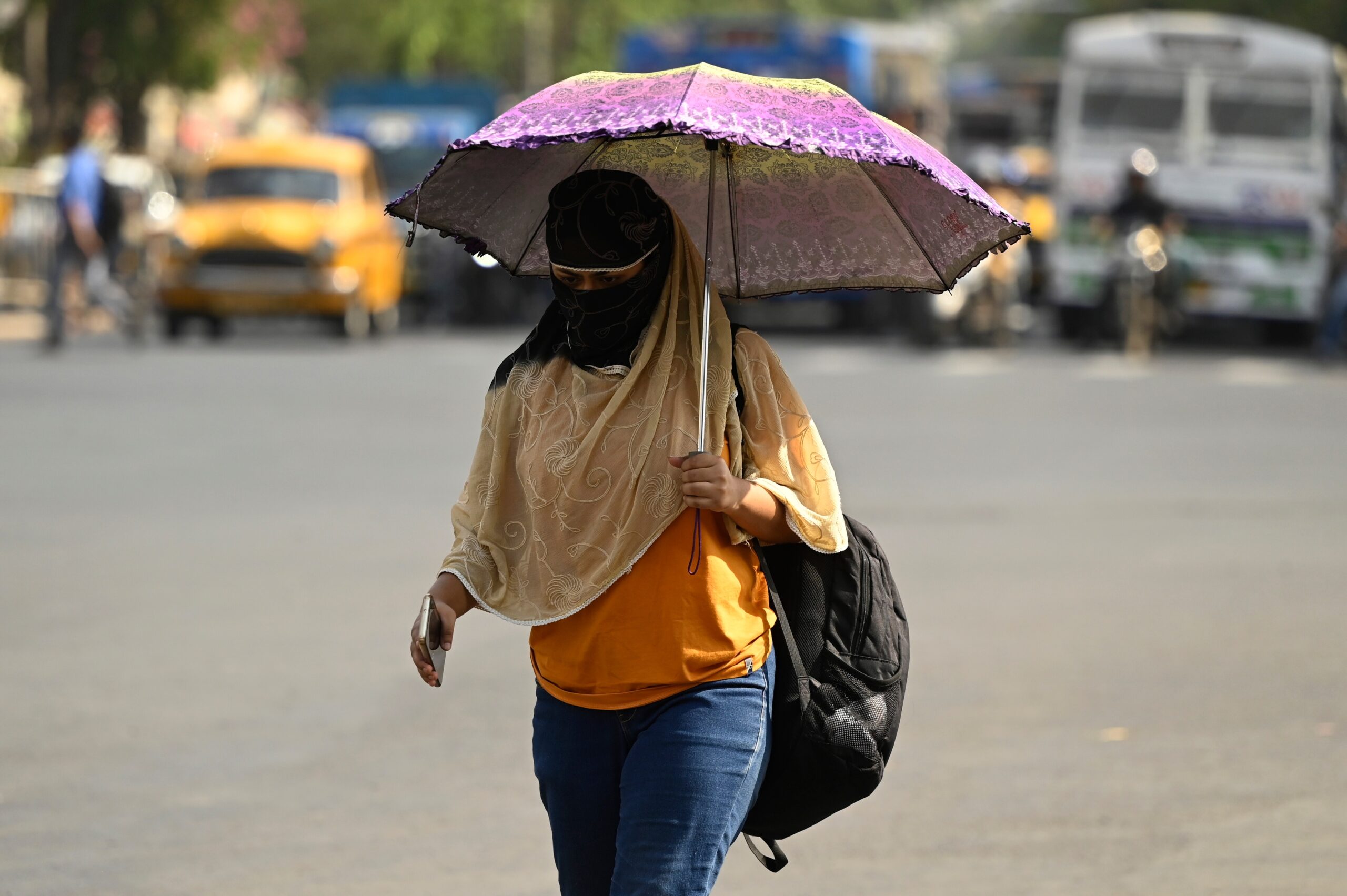
Chennai is entering a volatile weather phase marked by rising temperatures alongside intermittent rainfall forecasts, signalling a complex climate pattern that is increasingly shaping urban life.
The dual trend of heat buildup and scattered rain events reflects broader shifts in seasonal behaviour, with implications for infrastructure resilience and public health.Meteorological assessments indicate that daytime temperatures are climbing sharply, pushing the city towards heatwave-like conditions even as isolated rain activity remains possible across parts of Tamil Nadu. This combination creates fluctuating humidity levels, intensifying discomfort and complicating daily mobility for residents.The evolving Chennai heatwave forecast highlights how coastal cities are experiencing compound climate stress, where heat and moisture interact to produce higher “feels-like” temperatures.Unlike dry heat, humid conditions slow the body’s cooling process, increasing health risks, particularly for outdoor workers, elderly populations, and those in dense housing clusters.From an urban systems perspective, such weather variability places pressure on multiple services simultaneously. Rising temperatures drive up electricity demand for cooling, while sporadic rainfall can disrupt transport networks and strain drainage systems—especially in areas with limited stormwater infrastructure.
This dual stress underscores the need for cities to plan for both extremes rather than treating heat and rain as separate challenges.Urban planners point out that Chennai’s built environment amplifies these effects. High-density construction, reduced green cover in certain zones, and extensive paved surfaces contribute to heat retention, creating urban heat islands. At the same time, inadequate drainage in some neighbourhoods increases vulnerability to even short bursts of rain.The Chennai heatwave forecast also raises concerns around water management. While rainfall may offer temporary relief, inconsistent patterns can complicate reservoir planning and groundwater recharge, affecting long-term water security in the region.Experts suggest that adaptive strategies—such as expanding urban green spaces, promoting reflective building materials, and strengthening early warning systems—are critical to managing these emerging risks.Integrating climate-responsive design into housing and infrastructure projects can help reduce both heat exposure and flood vulnerability.Public advisories are encouraging residents to stay hydrated, limit outdoor activity during peak heat hours, and remain alert to sudden weather changes. However, beyond immediate precautions, the situation reflects a larger transition in how cities like Chennai must respond to climate uncertainty.
As weather patterns grow more erratic, the focus is shifting towards building resilient urban systems capable of handling overlapping climate stresses. Chennai’s current conditions offer a clear indication that future city planning will need to balance heat mitigation with flood preparedness, ensuring that urban growth remains sustainable and liveable.
Also Read:Chennai Government Doctors Raise Healthcare System Concerns
Chennai climate patterns shift with heat and rain warnings
