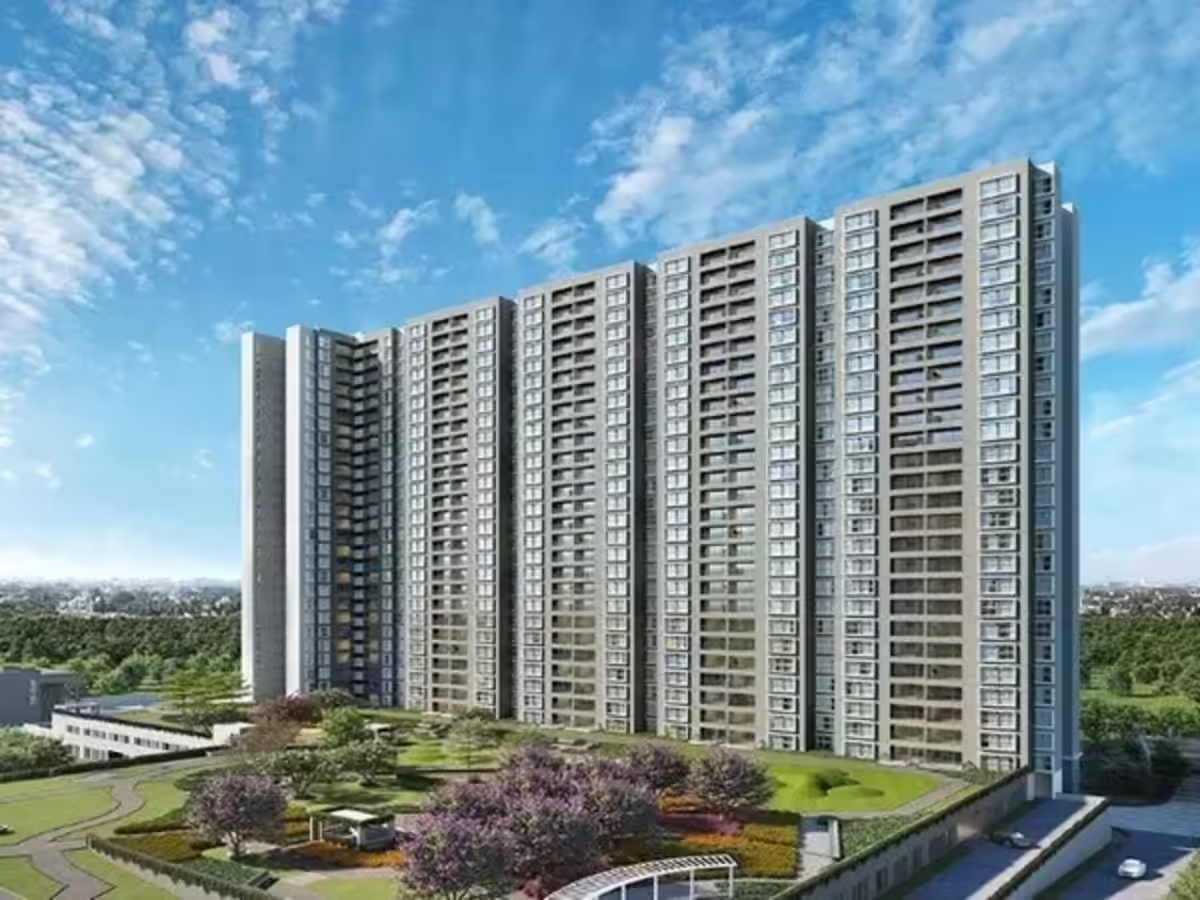
A new Gurugram housing project is being planned along the Southern Peripheral Road corridor as developers continue to expand residential investments across the Delhi-NCR region. The proposed development, spread across roughly three acres, reflects sustained demand for housing in emerging urban zones that benefit from improving transport connectivity and proximity to employment hubs. Industry officials indicate that the project will include around 200 residential units with an estimated built-up area exceeding half a million square feet. The development is being structured through a joint development arrangement with a local landowner, a model increasingly used by real estate firms to expand land banks while sharing project risk and capital commitments.
The planned Gurugram housing project is expected to require an investment of approximately ₹350–₹400 crore. Developers say the Southern Peripheral Road corridor has evolved into one of the region’s most active residential micro-markets over the past decade, supported by infrastructure upgrades and improved connectivity to key business districts. Urban development analysts note that Gurugram’s residential growth is closely linked to the expansion of road networks, metro connectivity and new commercial districts. Infrastructure corridors such as the Southern Peripheral Road provide access to major employment zones and expressways, making them attractive locations for mid- and high-density residential developments. Demand patterns in the Delhi-NCR housing market have also shifted in recent years. While earlier growth was concentrated in central urban districts, buyers are increasingly considering peripheral corridors where planned infrastructure and larger land parcels allow for more integrated residential projects. The Gurugram housing project also reflects a broader trend in the real estate sector where diversified business groups are expanding their presence in residential development.
Industry observers say such companies often leverage their expertise in construction materials, infrastructure or industrial businesses to build integrated property portfolios. Experts in urban planning point out that developments in emerging corridors must increasingly incorporate sustainable design principles. High-density residential clusters located near transport infrastructure can reduce commute distances, lower urban congestion and contribute to more climate-resilient city growth. At the same time, planners caution that rapid residential expansion needs to be matched by adequate civic infrastructure, including water supply, drainage, public transport access and community amenities. Balanced urban growth requires coordinated planning between private developers and local authorities. The Gurugram housing project follows earlier collaborative developments undertaken in the region, highlighting the growing role of joint ventures in large metropolitan housing markets. Partnerships between developers and landowners allow projects to be executed more efficiently while enabling local stakeholders to participate in the value created by urban expansion.
As residential demand in the NCR region continues to evolve, new developments in strategically connected corridors are likely to shape future growth patterns. For Gurugram, projects along key infrastructure routes such as the Southern Peripheral Road may play a crucial role in defining the next phase of the city’s urban expansion.