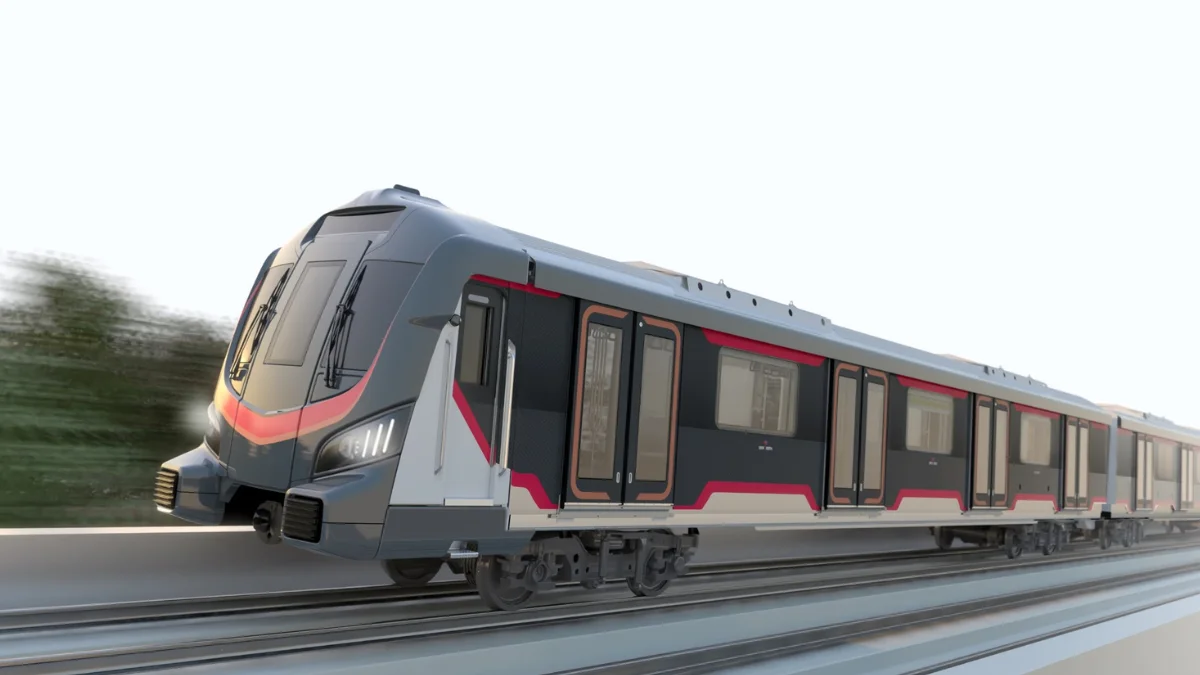
Delhi’s rapid transit network is preparing for another expansion milestone as authorities move forward with a procurement process for new trains to support an upcoming corridor extension. The Delhi Metro rolling stock tender seeks the supply of 90 standard-gauge metro cars that will operate on a planned extension connecting Inderlok and Indraprastha, forming part of the capital’s Phase IV metro expansion programme. The planned corridor, expected to stretch nearly 12 kilometres, will eventually be integrated into the Magenta Line—one of the city’s key cross-city routes linking residential districts, commercial hubs and employment centres. Once completed, the corridor is expected to strengthen connectivity between central and northern parts of the capital while improving access to existing interchange stations.
Officials involved in the procurement process indicate that the Delhi Metro rolling stock tender covers more than just the supply of trains. The selected contractor will also be responsible for design engineering, manufacturing, testing and commissioning of the metro cars, along with long-term technical support. The contract structure includes maintenance responsibilities extending up to 35 years, reflecting a lifecycle approach to metro infrastructure management. Urban transport experts note that such long-duration maintenance agreements have become standard practice in large metro systems. They help ensure reliability of trains over decades of service while allowing operators to maintain consistent safety and operational standards. The procurement is being supported through international infrastructure financing arrangements. Funding cooperation between India and global development agencies has played a crucial role in expanding metro networks across several Indian cities, helping accelerate large-scale public transport projects.
Transport planners say the expansion of the Magenta Line is expected to significantly increase the capacity of the network. With the Inderlok extension incorporated, the line will eventually stretch across nearly 90 kilometres, making it the longest corridor in the Delhi Metro system. The Delhi Metro rolling stock tender is also aligned with the broader objective of strengthening sustainable urban mobility. Metro rail networks provide a low-emission alternative to private vehicles, reducing road congestion and supporting climate-friendly transport systems in densely populated cities. Infrastructure analysts point out that metro expansion projects often influence surrounding urban development patterns. New stations frequently trigger higher density housing, commercial development and transit-oriented neighbourhood planning, where residential and business activity grows around major public transport corridors. The Inderlok–Indraprastha extension will also form part of a wider realignment of the network as additional metro corridors are planned in the coming years. Urban mobility specialists say such adjustments are common as expanding metro systems evolve to serve new travel patterns and population centres.
For commuters, the new trains and corridor expansion are expected to improve service frequency and reduce travel times across several parts of the city once operational. For planners, the Delhi Metro rolling stock tender represents another step in building a more integrated and resilient transport network capable of supporting the capital’s long-term urban growth. As Phase IV construction progresses, the procurement of modern rolling stock will play a central role in ensuring the Delhi Metro continues to meet rising passenger demand while maintaining high operational standards.